

Choice Made Simple!
Too many options?Click below to purchase an online gift card that can be used at participating retailers in Village Green Shopping Centre and continue your shopping IN CENTRE!Purchase HereHome
Vico and the Maker's Knowledge Tradition: Praxis and History
Coles
Loading Inventory...
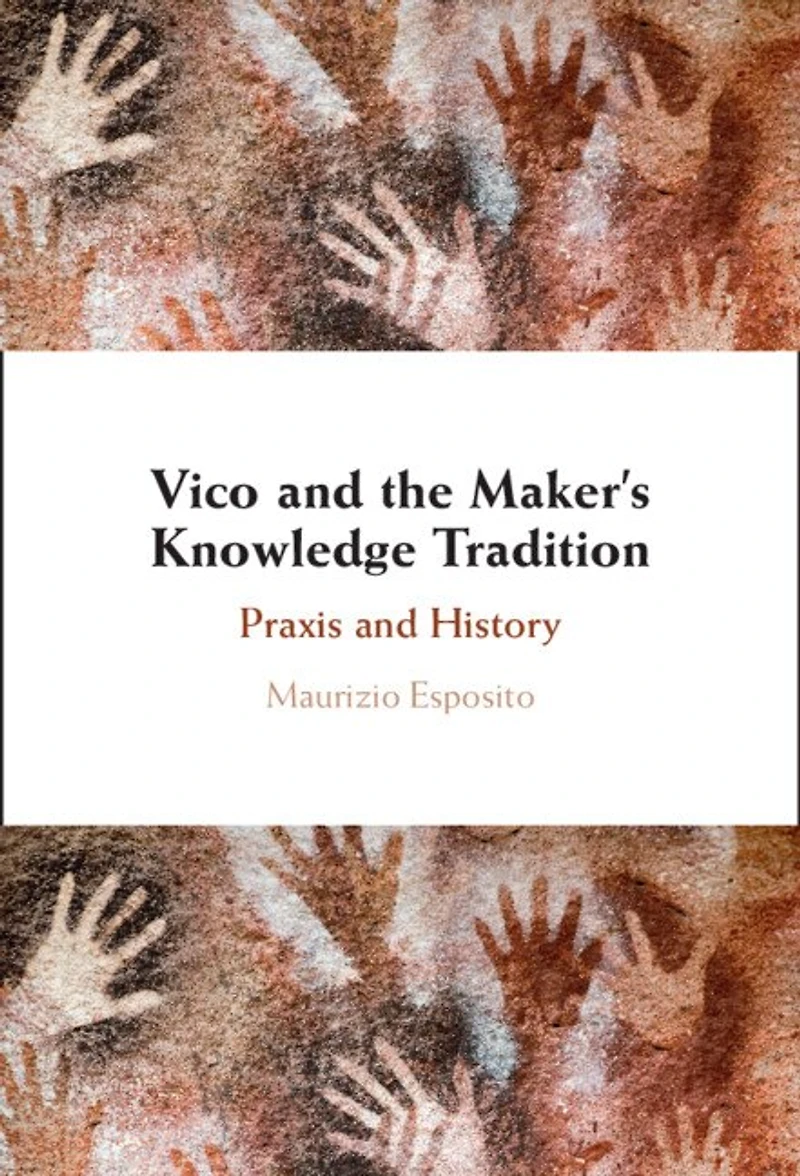
Vico and the Maker's Knowledge Tradition: Praxis and History in Vernon, BC
Current price: $137.95
Coles
Vico and the Maker's Knowledge Tradition: Praxis and History in Vernon, BC
Current price: $137.95
Loading Inventory...
Size: Hardcover
*Product information may vary - to confirm product availability, pricing, shipping and return information please contact Coles
Published in 1710, Giambattista Vico's groundbreaking On the Most Ancient Wisdom of the Italians argued, against Descartes, that knowledge is more about making and producing than speculating and theorising. Historicised activities precede any kind of ethereal abstraction. Maurizio Esposito situates Vico's epistemology of praxis within the longstanding tradition of the maker's knowledge perspective and shows how Vico transformed the ancient idea that knowledge is a form of making into a humanist and existential principle. Humans do not merely fabricate tools and transform nature; they also create symbolic spaces in which different forms of thinking and understanding evolve. Esposito explores the possibility that Vico envisioned a non-Cartesian version of modernity, where praxis, rather than reason, drives human history. This alternative modernity has directly or indirectly influenced some of the most significant philosophical traditions of the past two centuries and is more relevant today than ever.
Published in 1710, Giambattista Vico's groundbreaking On the Most Ancient Wisdom of the Italians argued, against Descartes, that knowledge is more about making and producing than speculating and theorising. Historicised activities precede any kind of ethereal abstraction. Maurizio Esposito situates Vico's epistemology of praxis within the longstanding tradition of the maker's knowledge perspective and shows how Vico transformed the ancient idea that knowledge is a form of making into a humanist and existential principle. Humans do not merely fabricate tools and transform nature; they also create symbolic spaces in which different forms of thinking and understanding evolve. Esposito explores the possibility that Vico envisioned a non-Cartesian version of modernity, where praxis, rather than reason, drives human history. This alternative modernity has directly or indirectly influenced some of the most significant philosophical traditions of the past two centuries and is more relevant today than ever.
You May Also Like







More About Coles at Village Green Shopping Centre
Find everything in-store including new, used and children’s books, music, movies, games and toys. Visit Coles today to find the perfect gift, or a novel for yourself. COVID-19 UPDATE: Open | Regular Centre Hours
Store Info
Find Coles at Village Green Shopping Centre in Vernon, BC
Visit Coles at Village Green Shopping Centre in Vernon, BC