

Choice Made Simple!
Too many options?Click below to purchase an online gift card that can be used at participating retailers in Village Green Shopping Centre and continue your shopping IN CENTRE!Purchase HereHome
U.S. Army Guard and Reserve: Rhetoric, Realities, Risks
Coles
Loading Inventory...
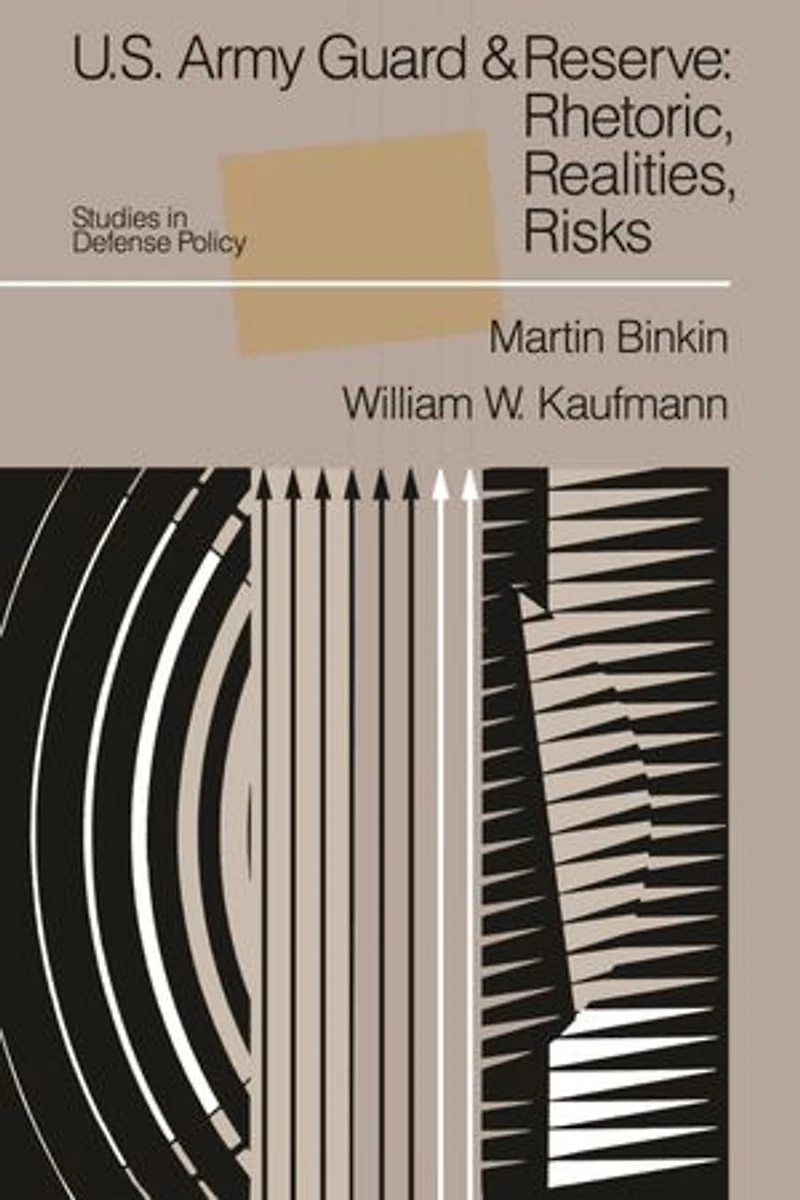
U.S. Army Guard and Reserve: Rhetoric, Realities, Risks in Vernon, BC
Current price: $23.39
Original price: $29.25
Coles
U.S. Army Guard and Reserve: Rhetoric, Realities, Risks in Vernon, BC
Current price: $23.39
Original price: $29.25
Loading Inventory...
Size: Kobo eBook
*Product information may vary - to confirm product availability, pricing, shipping and return information please contact Coles
In the nearly two decades since the Nixon administration decided to withdraw U.S. armed forces from Vietnam and to end their dependence on conscription, America's military institution has undergone substantial changes. One of the most pronounced has been the increased reliance on Army reserve components, which today shoulder unprecedented responsibilities for protecting the nations security. Of special importance have been the growing expectations about the capabilities and readiness of the Army National Guard and the Army Reserve. Reserve components would now be among the first to be used in a range of possible conflicts-from limited contingencies involving rapid deployment forces to a major confrontation in Central Europe between NATO and the Warsaw Pact. This shift has been instituted with little public fanfare or debate yet the consequences could be dramatic and far-reaching. It raises the central question Binkin and Kaufmann address: How has greater reliance on Army reserves affected the nation's ability to protect its security?
In the nearly two decades since the Nixon administration decided to withdraw U.S. armed forces from Vietnam and to end their dependence on conscription, America's military institution has undergone substantial changes. One of the most pronounced has been the increased reliance on Army reserve components, which today shoulder unprecedented responsibilities for protecting the nations security. Of special importance have been the growing expectations about the capabilities and readiness of the Army National Guard and the Army Reserve. Reserve components would now be among the first to be used in a range of possible conflicts-from limited contingencies involving rapid deployment forces to a major confrontation in Central Europe between NATO and the Warsaw Pact. This shift has been instituted with little public fanfare or debate yet the consequences could be dramatic and far-reaching. It raises the central question Binkin and Kaufmann address: How has greater reliance on Army reserves affected the nation's ability to protect its security?
You May Also Like









More About Coles at Village Green Shopping Centre
Find everything in-store including new, used and children’s books, music, movies, games and toys. Visit Coles today to find the perfect gift, or a novel for yourself. COVID-19 UPDATE: Open | Regular Centre Hours
Store Info
Find Coles at Village Green Shopping Centre in Vernon, BC
Visit Coles at Village Green Shopping Centre in Vernon, BC