

Choice Made Simple!
Too many options?Click below to purchase an online gift card that can be used at participating retailers in Village Green Shopping Centre and continue your shopping IN CENTRE!Purchase HereHome
The Wrong Ape for Early Human Origins: Chimpanzee as a Skewed Ancestral Model
Coles
Loading Inventory...
The Wrong Ape for Early Human Origins: Chimpanzee as a Skewed Ancestral Model in Vernon, BC
Current price: $160.95
Coles
The Wrong Ape for Early Human Origins: Chimpanzee as a Skewed Ancestral Model in Vernon, BC
Current price: $160.95
Loading Inventory...
Size: Hardcover
*Product information may vary - to confirm product availability, pricing, shipping and return information please contact Coles
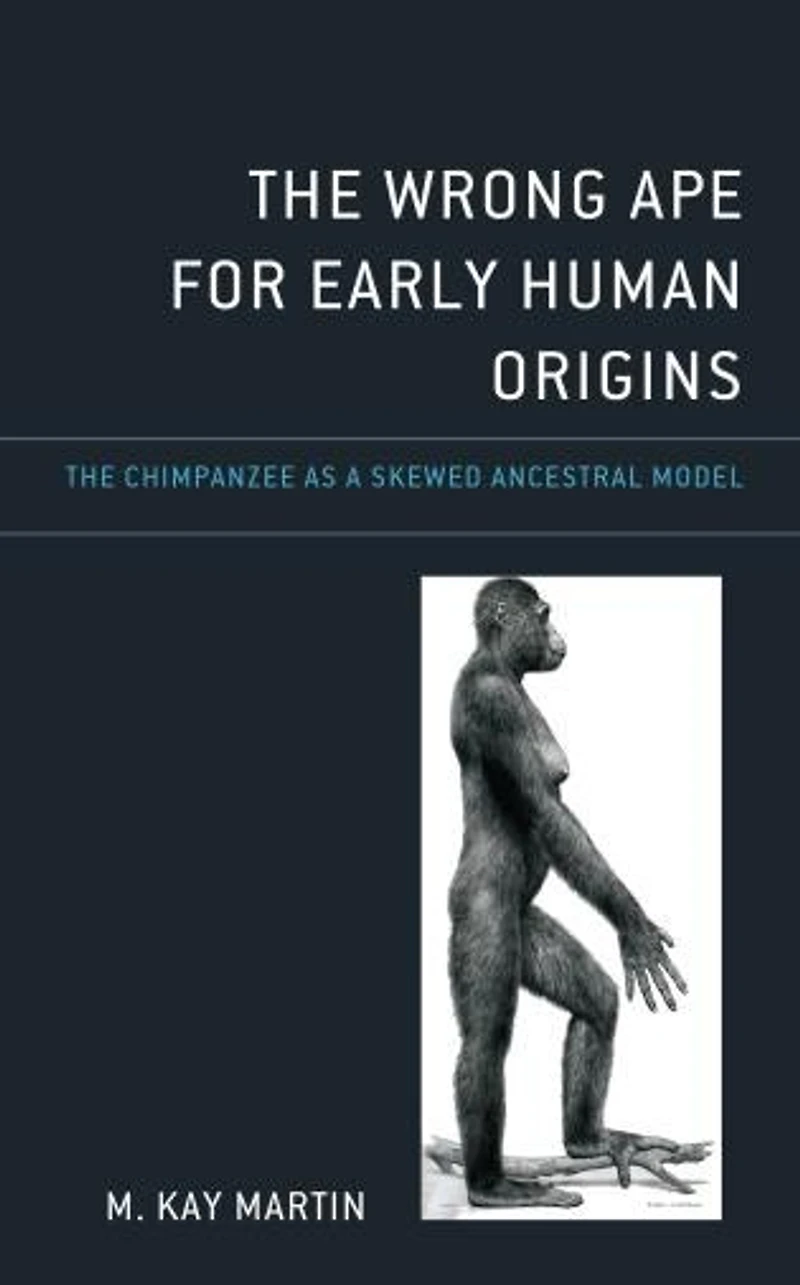
The Wrong Ape for Early Human Origins examines ways in which the chimpanzee referential model has exerted a primary influence on evolutionary theory, dominating portraits of proto- and early human social life, and in the broader sense, of human nature itself. Evidence on which this model is based is revisited, along with new cross-disciplinary findings that point to alternative scenarios for hominin phylogeny, ecology and subsistence, primeval kinship, cognition and language, and the respective roles played by aggression and cooperation as evolutionary drivers. Recent advances in phylogenetics, evolutionary biology, and new additions to the fossil record are rendering linear, monotypic models obsolete. Contemporary theories on species divergence and change over time are shifting attention from ancient genotypes to factors that influence gene expression, and from innate prescriptive behaviors to epigenesis and the capacity for behavioral plasticity. This broader platform has the potential to fundamentally revise current notions about the basic nature, phenotypic traits, and lifeways of ancestral humans. It informs a different profile of our progenitors-one that reflects greater ecological bandwidth, reliance on creative niche construction, and hominin agency in the structuring of ancient reproductive and social groups.
The Wrong Ape for Early Human Origins examines ways in which the chimpanzee referential model has exerted a primary influence on evolutionary theory, dominating portraits of proto- and early human social life, and in the broader sense, of human nature itself. Evidence on which this model is based is revisited, along with new cross-disciplinary findings that point to alternative scenarios for hominin phylogeny, ecology and subsistence, primeval kinship, cognition and language, and the respective roles played by aggression and cooperation as evolutionary drivers. Recent advances in phylogenetics, evolutionary biology, and new additions to the fossil record are rendering linear, monotypic models obsolete. Contemporary theories on species divergence and change over time are shifting attention from ancient genotypes to factors that influence gene expression, and from innate prescriptive behaviors to epigenesis and the capacity for behavioral plasticity. This broader platform has the potential to fundamentally revise current notions about the basic nature, phenotypic traits, and lifeways of ancestral humans. It informs a different profile of our progenitors-one that reflects greater ecological bandwidth, reliance on creative niche construction, and hominin agency in the structuring of ancient reproductive and social groups.
You May Also Like








More About Coles at Village Green Shopping Centre
Find everything in-store including new, used and children’s books, music, movies, games and toys. Visit Coles today to find the perfect gift, or a novel for yourself. COVID-19 UPDATE: Open | Regular Centre Hours
Store Info
Find Coles at Village Green Shopping Centre in Vernon, BC
Visit Coles at Village Green Shopping Centre in Vernon, BC