

Choice Made Simple!
Too many options?Click below to purchase an online gift card that can be used at participating retailers in Village Green Shopping Centre and continue your shopping IN CENTRE!Purchase HereHome
the Men of Mobtown: Policing Baltimore Age Slavery and Emancipation
Coles
Loading Inventory...
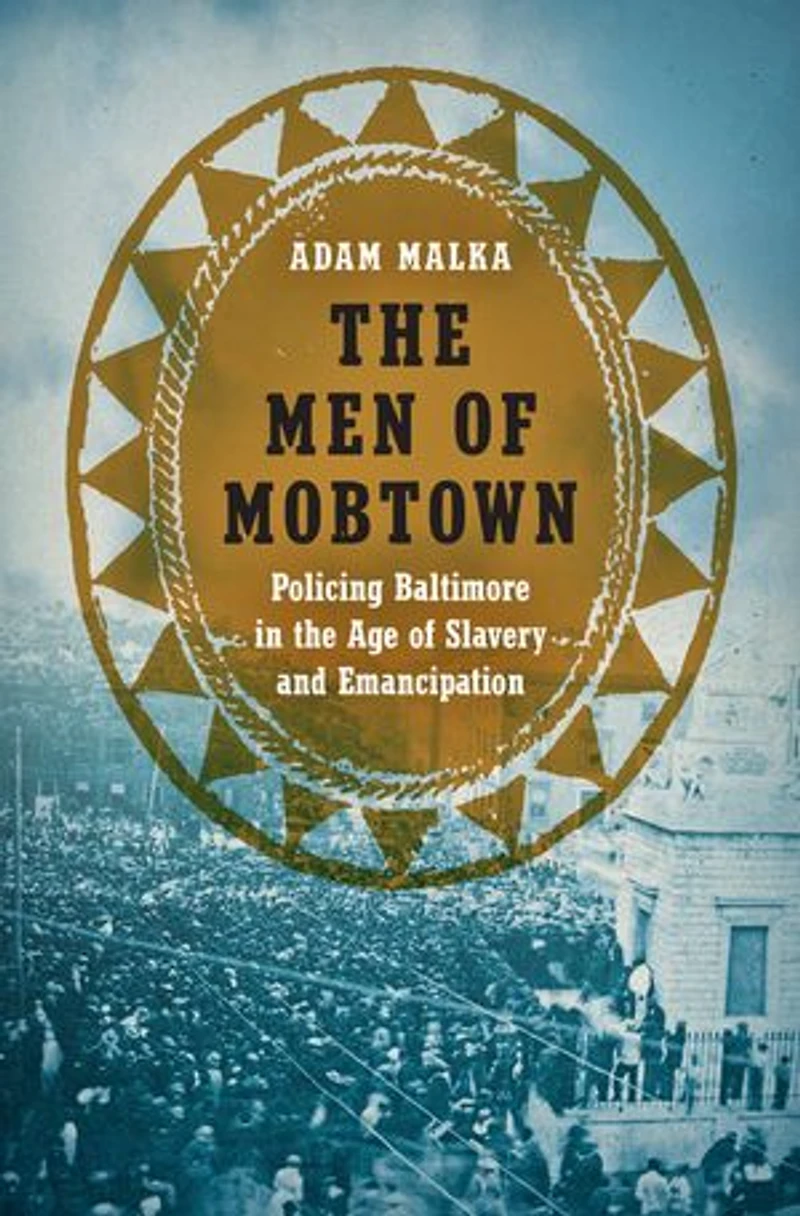
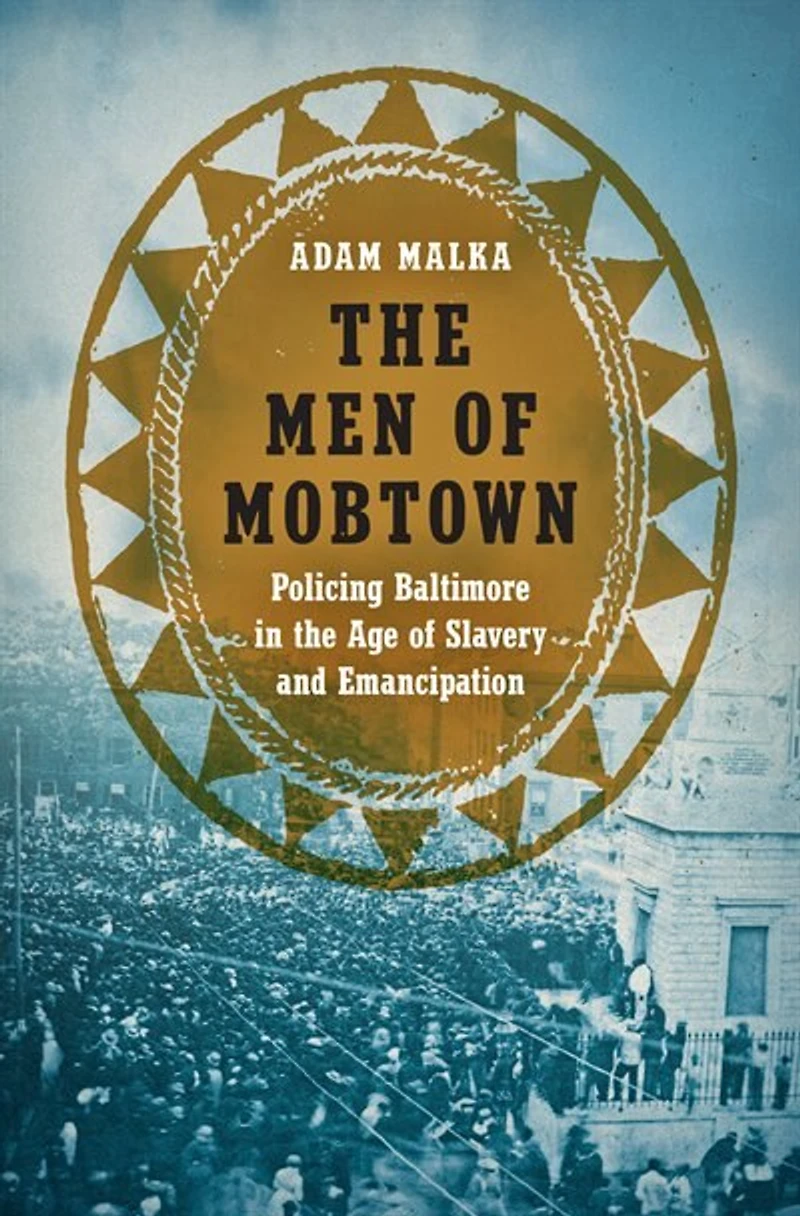
the Men of Mobtown: Policing Baltimore Age Slavery and Emancipation in Vernon, BC
Current price: $23.19
Original price: $28.99
Coles
the Men of Mobtown: Policing Baltimore Age Slavery and Emancipation in Vernon, BC
Current price: $23.19
Original price: $28.99
Loading Inventory...
Size: Kobo eBook
*Product information may vary - to confirm product availability, pricing, shipping and return information please contact Coles
What if racialized mass incarceration is not a perversion of our criminal justice system’s liberal ideals, but rather a natural conclusion? Adam Malka raises this disturbing possibility through a gripping look at the origins of modern policing in the influential hub of Baltimore during and after slavery’s final decades. He argues that America’s new professional police forces and prisons were developed to expand, not curb, the reach of white vigilantes, and are best understood as a uniformed wing of the gangs that controlled free black people by branding them—and treating them—as criminals. The post–Civil War triumph of liberal ideals thus also marked a triumph of an institutionalized belief in black criminality.
Mass incarceration may be a recent phenomenon, but the problems that undergird the “new Jim Crow” are very, very old. As Malka makes clear, a real reckoning with this national calamity requires not easy reforms but a deeper, more radical effort to overcome the racial legacies encoded into the very DNA of our police institutions.
What if racialized mass incarceration is not a perversion of our criminal justice system’s liberal ideals, but rather a natural conclusion? Adam Malka raises this disturbing possibility through a gripping look at the origins of modern policing in the influential hub of Baltimore during and after slavery’s final decades. He argues that America’s new professional police forces and prisons were developed to expand, not curb, the reach of white vigilantes, and are best understood as a uniformed wing of the gangs that controlled free black people by branding them—and treating them—as criminals. The post–Civil War triumph of liberal ideals thus also marked a triumph of an institutionalized belief in black criminality.
Mass incarceration may be a recent phenomenon, but the problems that undergird the “new Jim Crow” are very, very old. As Malka makes clear, a real reckoning with this national calamity requires not easy reforms but a deeper, more radical effort to overcome the racial legacies encoded into the very DNA of our police institutions.
You May Also Like







More About Coles at Village Green Shopping Centre
Find everything in-store including new, used and children’s books, music, movies, games and toys. Visit Coles today to find the perfect gift, or a novel for yourself. COVID-19 UPDATE: Open | Regular Centre Hours
Store Info
Find Coles at Village Green Shopping Centre in Vernon, BC
Visit Coles at Village Green Shopping Centre in Vernon, BC