

Choice Made Simple!
Too many options?Click below to purchase an online gift card that can be used at participating retailers in Village Green Shopping Centre and continue your shopping IN CENTRE!Purchase HereHome
The Forbidden Garden: Botanists of Besieged Leningrad and Their Impossible Choice
Coles
Loading Inventory...
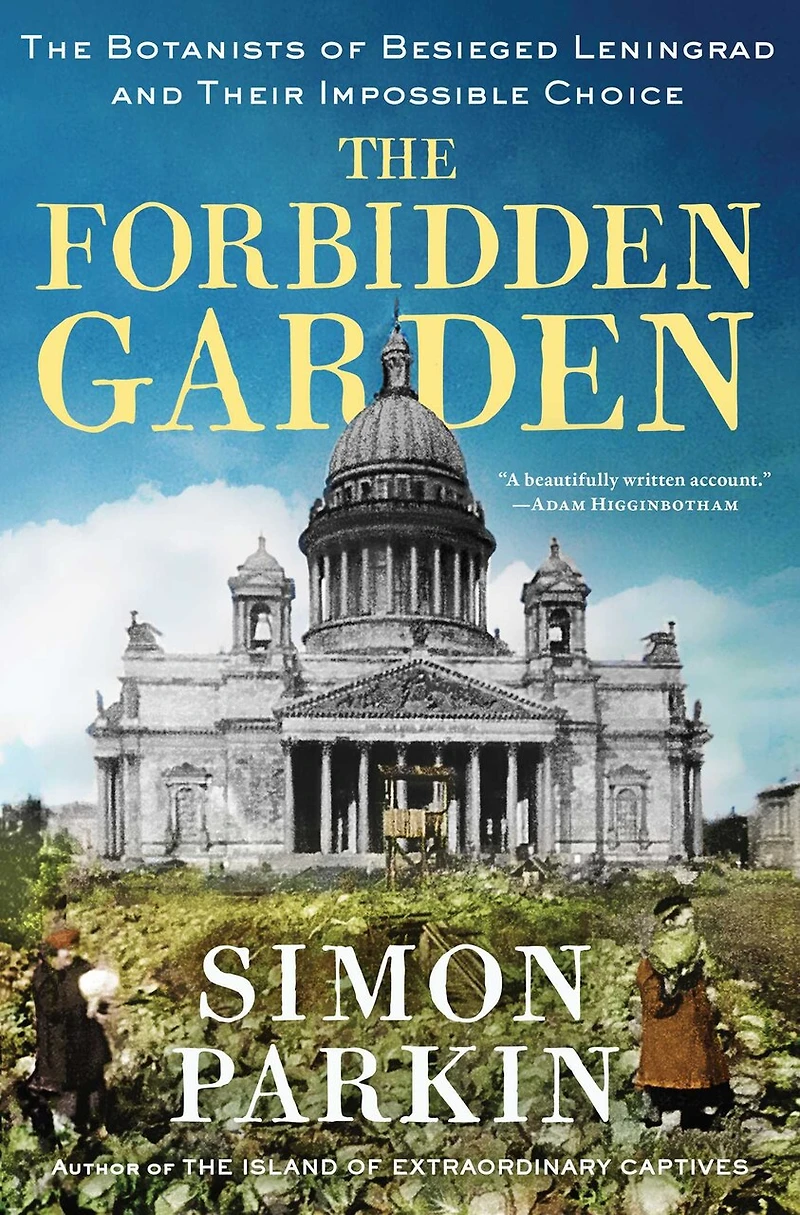
The Forbidden Garden: Botanists of Besieged Leningrad and Their Impossible Choice in Vernon, BC
Current price: $39.99
Coles
The Forbidden Garden: Botanists of Besieged Leningrad and Their Impossible Choice in Vernon, BC
Current price: $39.99
Loading Inventory...
Size: Hardcover
*Product information may vary - to confirm product availability, pricing, shipping and return information please contact Coles
Named a Best Book of the Year by Scientific American and The Economist
The riveting, untold true story of the botanists at the world’s first seed bank who made “the mad, heroic decision during the siege of Leningrad to guard biodiversity at the cost of human life” ( The New York Times , Editors’ Choice)—from the award-winning author of The Island of Extraordinary Captives .
In the summer of 1941, German troops surrounded the Russian city of Leningrad—now St. Petersburg—and began the longest blockade in recorded history, one that would ultimately claim the lives of nearly three-quarters of a million people. At the center of the besieged city stood a converted palace that housed the world’s largest collection of seeds—more than 250,000 samples hand-collected over two decades from all over the globe by world-famous explorer, geneticist, and dissident Nikolai Vavilov, who had recently been disappeared by the Soviet government. After attempts to evacuate the priceless collection failed and supplies dwindled amongst the three million starving citizens, the employees at the Plant Institute were left with a terrible choice. Should they save the collection? Or themselves?
These were not just any seeds. The botanists believed they could be bred into heartier, disease-resistant, and more productive varieties suited for harsh climates, thereby changing the future of food production and preventing famines like those that had plagued their countrymen before. But protecting the seeds was no idle business. The scientists rescued potato samples under enemy fire, extinguished incendiary bombs landing on the seed bank’s roof, and guarded the collection from scavengers, the bitter cold, and their own hunger. Then in the war’s eleventh hour, Nazi plunderers presented a new threat to the collection…
Drawing from previously unseen sources, award-winning journalist Simon Parkin tells the incredible true story of “an extraordinary project and the bravery of the ordinary individuals who kept it going” ( The Daily Telegraph , London) in the name of science.
Named a Best Book of the Year by Scientific American and The Economist
The riveting, untold true story of the botanists at the world’s first seed bank who made “the mad, heroic decision during the siege of Leningrad to guard biodiversity at the cost of human life” ( The New York Times , Editors’ Choice)—from the award-winning author of The Island of Extraordinary Captives .
In the summer of 1941, German troops surrounded the Russian city of Leningrad—now St. Petersburg—and began the longest blockade in recorded history, one that would ultimately claim the lives of nearly three-quarters of a million people. At the center of the besieged city stood a converted palace that housed the world’s largest collection of seeds—more than 250,000 samples hand-collected over two decades from all over the globe by world-famous explorer, geneticist, and dissident Nikolai Vavilov, who had recently been disappeared by the Soviet government. After attempts to evacuate the priceless collection failed and supplies dwindled amongst the three million starving citizens, the employees at the Plant Institute were left with a terrible choice. Should they save the collection? Or themselves?
These were not just any seeds. The botanists believed they could be bred into heartier, disease-resistant, and more productive varieties suited for harsh climates, thereby changing the future of food production and preventing famines like those that had plagued their countrymen before. But protecting the seeds was no idle business. The scientists rescued potato samples under enemy fire, extinguished incendiary bombs landing on the seed bank’s roof, and guarded the collection from scavengers, the bitter cold, and their own hunger. Then in the war’s eleventh hour, Nazi plunderers presented a new threat to the collection…
Drawing from previously unseen sources, award-winning journalist Simon Parkin tells the incredible true story of “an extraordinary project and the bravery of the ordinary individuals who kept it going” ( The Daily Telegraph , London) in the name of science.
You May Also Like








More About Coles at Village Green Shopping Centre
Find everything in-store including new, used and children’s books, music, movies, games and toys. Visit Coles today to find the perfect gift, or a novel for yourself. COVID-19 UPDATE: Open | Regular Centre Hours
Store Info
Find Coles at Village Green Shopping Centre in Vernon, BC
Visit Coles at Village Green Shopping Centre in Vernon, BC