

Choice Made Simple!
Too many options?Click below to purchase an online gift card that can be used at participating retailers in Village Green Shopping Centre and continue your shopping IN CENTRE!Purchase HereHome
the Face of Inequality: How Black Colleges Adapt
Coles
Loading Inventory...
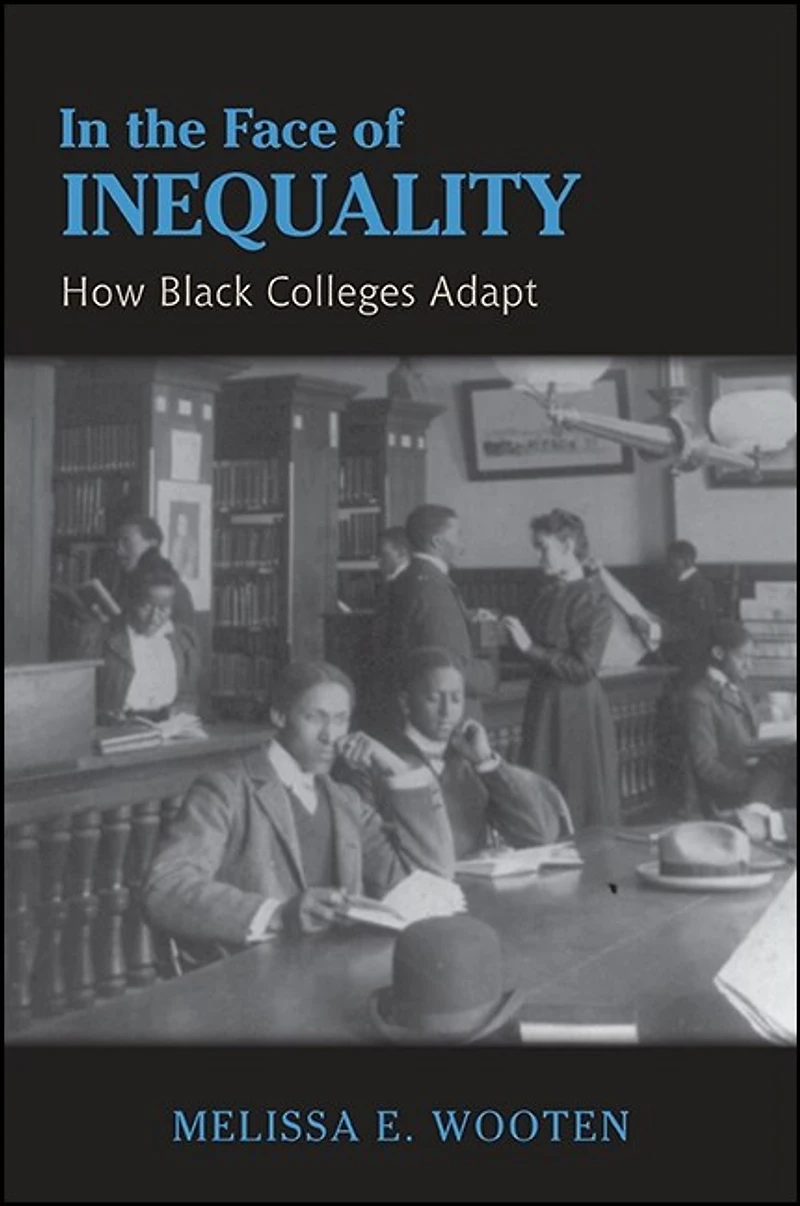
the Face of Inequality: How Black Colleges Adapt in Vernon, BC
By None
Current price: $135.95
Coles
the Face of Inequality: How Black Colleges Adapt in Vernon, BC
By None
Current price: $135.95
Loading Inventory...
Size: Hardcover
*Product information may vary - to confirm product availability, pricing, shipping and return information please contact Coles
First comparative historical analysis of the organizational growth of black colleges.
A quarter of black Americans earn college degrees from black colleges, yet questions about the necessity of black colleges abound. In the Face of Inequality dissects the ways in which race and racism combined to shape the experiences of America's black colleges in the mid-twentieth century. In a novel approach to this topic, Melissa E. Wooten combines historical data with a sociological approach. Drawing on extensive quantitative and qualitative historical data, Wooten argues that for much of America's history, educational and social policy was explicitly designed to limit black colleges' organizational development. As an alternative to questioning the modern day relevance of these schools, Wooten asks readers to consider how race and racism precludes black colleges from acquiring the resources and respect worthy of them.
First comparative historical analysis of the organizational growth of black colleges.
A quarter of black Americans earn college degrees from black colleges, yet questions about the necessity of black colleges abound. In the Face of Inequality dissects the ways in which race and racism combined to shape the experiences of America's black colleges in the mid-twentieth century. In a novel approach to this topic, Melissa E. Wooten combines historical data with a sociological approach. Drawing on extensive quantitative and qualitative historical data, Wooten argues that for much of America's history, educational and social policy was explicitly designed to limit black colleges' organizational development. As an alternative to questioning the modern day relevance of these schools, Wooten asks readers to consider how race and racism precludes black colleges from acquiring the resources and respect worthy of them.
You May Also Like












More About Coles at Village Green Shopping Centre
Find everything in-store including new, used and children’s books, music, movies, games and toys. Visit Coles today to find the perfect gift, or a novel for yourself. COVID-19 UPDATE: Open | Regular Centre Hours
Store Info
Find Coles at Village Green Shopping Centre in Vernon, BC
Visit Coles at Village Green Shopping Centre in Vernon, BC