

Choice Made Simple!
Too many options?Click below to purchase an online gift card that can be used at participating retailers in Village Green Shopping Centre and continue your shopping IN CENTRE!Purchase HereHome
The Crucible of Desegregation: Uncertain Search for Educational Equality
Coles
Loading Inventory...
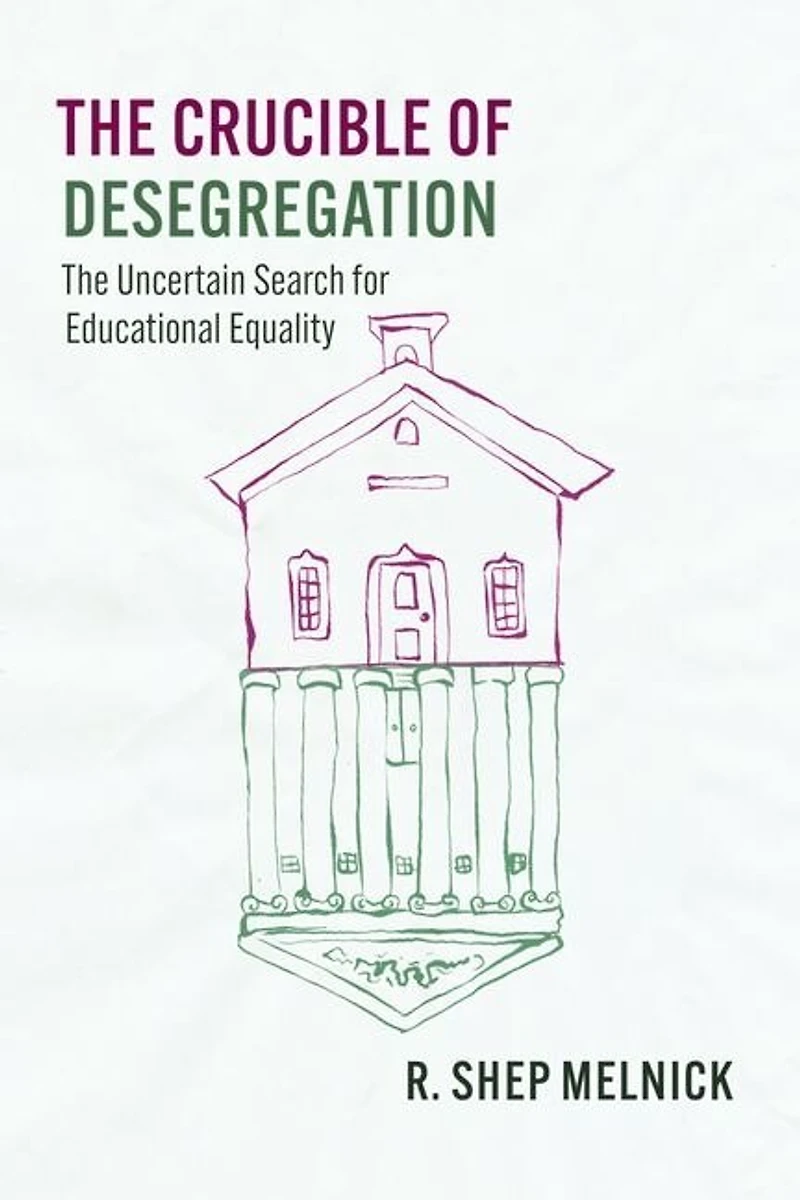
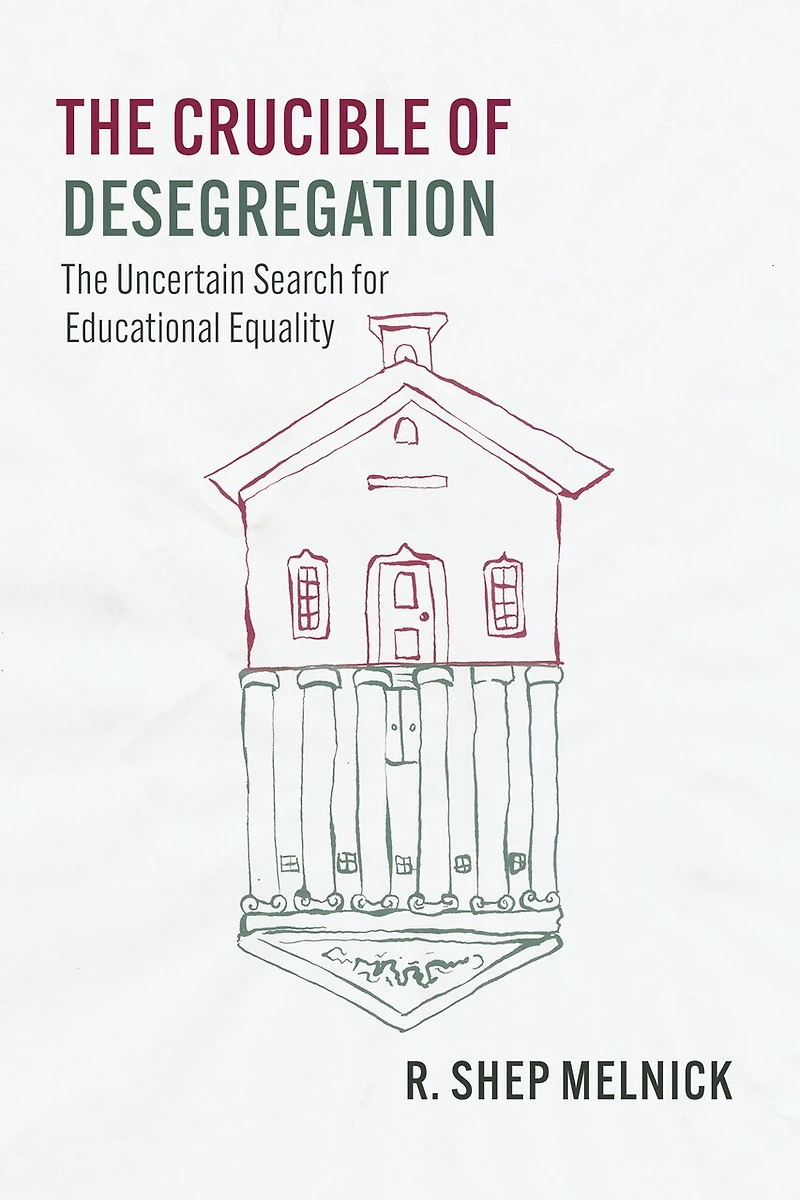
The Crucible of Desegregation: Uncertain Search for Educational Equality in Vernon, BC
Current price: $162.50
Coles
The Crucible of Desegregation: Uncertain Search for Educational Equality in Vernon, BC
Current price: $162.50
Loading Inventory...
Size: Hardcover
*Product information may vary - to confirm product availability, pricing, shipping and return information please contact Coles
Examines the patchwork evolution of school desegregation policy.
In 1954, the Supreme Court delivered the landmark decision of Brown v. Board of Education —establishing the right to attend a desegregated school as a national constitutional right—but the decision contained fundamental ambiguities. The Supreme Court has never offered a clear definition of what desegregation means or laid out a framework for evaluating competing interpretations. In The Crucible of Desegregation , R. Shep Melnick examines the evolution of federal school desegregation policy from 1954 through the termination of desegregation orders in the first decades of the twenty-first century, combining legal analysis with a focus on institutional relations, particularly the interactions between federal judges and administrators. Melnick argues that years of ambiguous, inconsistent, and meandering Court decisions left lower court judges adrift, forced to apply contradictory Supreme Court precedents in a wide variety of highly charged political and educational contexts. As a result, desegregation policy has been a patchwork, with lower court judges playing a crucial role and with little opportunity to analyze what worked and what didn’t. The Crucible of Desegregation reveals persistent patterns and disagreements that continue to roil education policy.
Examines the patchwork evolution of school desegregation policy.
In 1954, the Supreme Court delivered the landmark decision of Brown v. Board of Education —establishing the right to attend a desegregated school as a national constitutional right—but the decision contained fundamental ambiguities. The Supreme Court has never offered a clear definition of what desegregation means or laid out a framework for evaluating competing interpretations. In The Crucible of Desegregation , R. Shep Melnick examines the evolution of federal school desegregation policy from 1954 through the termination of desegregation orders in the first decades of the twenty-first century, combining legal analysis with a focus on institutional relations, particularly the interactions between federal judges and administrators. Melnick argues that years of ambiguous, inconsistent, and meandering Court decisions left lower court judges adrift, forced to apply contradictory Supreme Court precedents in a wide variety of highly charged political and educational contexts. As a result, desegregation policy has been a patchwork, with lower court judges playing a crucial role and with little opportunity to analyze what worked and what didn’t. The Crucible of Desegregation reveals persistent patterns and disagreements that continue to roil education policy.
You May Also Like












More About Coles at Village Green Shopping Centre
Find everything in-store including new, used and children’s books, music, movies, games and toys. Visit Coles today to find the perfect gift, or a novel for yourself. COVID-19 UPDATE: Open | Regular Centre Hours
Store Info
Find Coles at Village Green Shopping Centre in Vernon, BC
Visit Coles at Village Green Shopping Centre in Vernon, BC