

Choice Made Simple!
Too many options?Click below to purchase an online gift card that can be used at participating retailers in Village Green Shopping Centre and continue your shopping IN CENTRE!Purchase HereHome
the Church and Dark Ages (430-1027): St. Benedict, Charlemagne, Rise of Christendom
Coles
Loading Inventory...
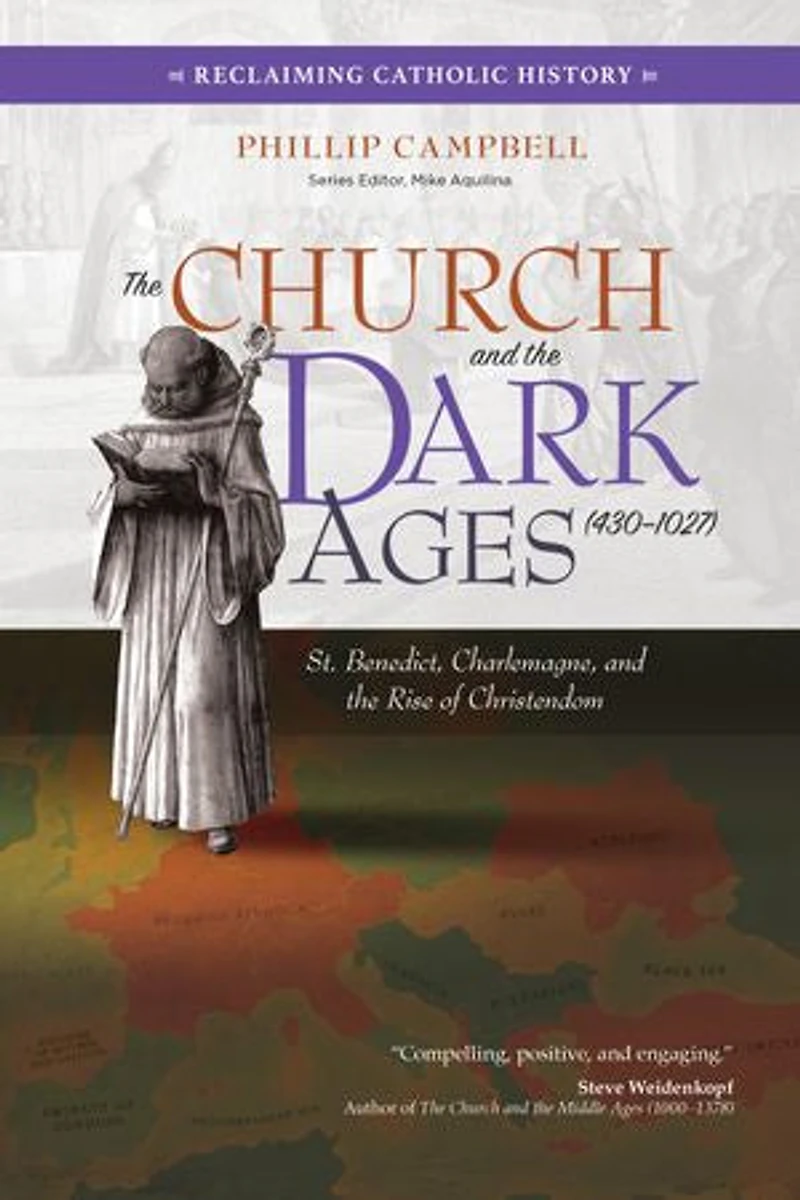
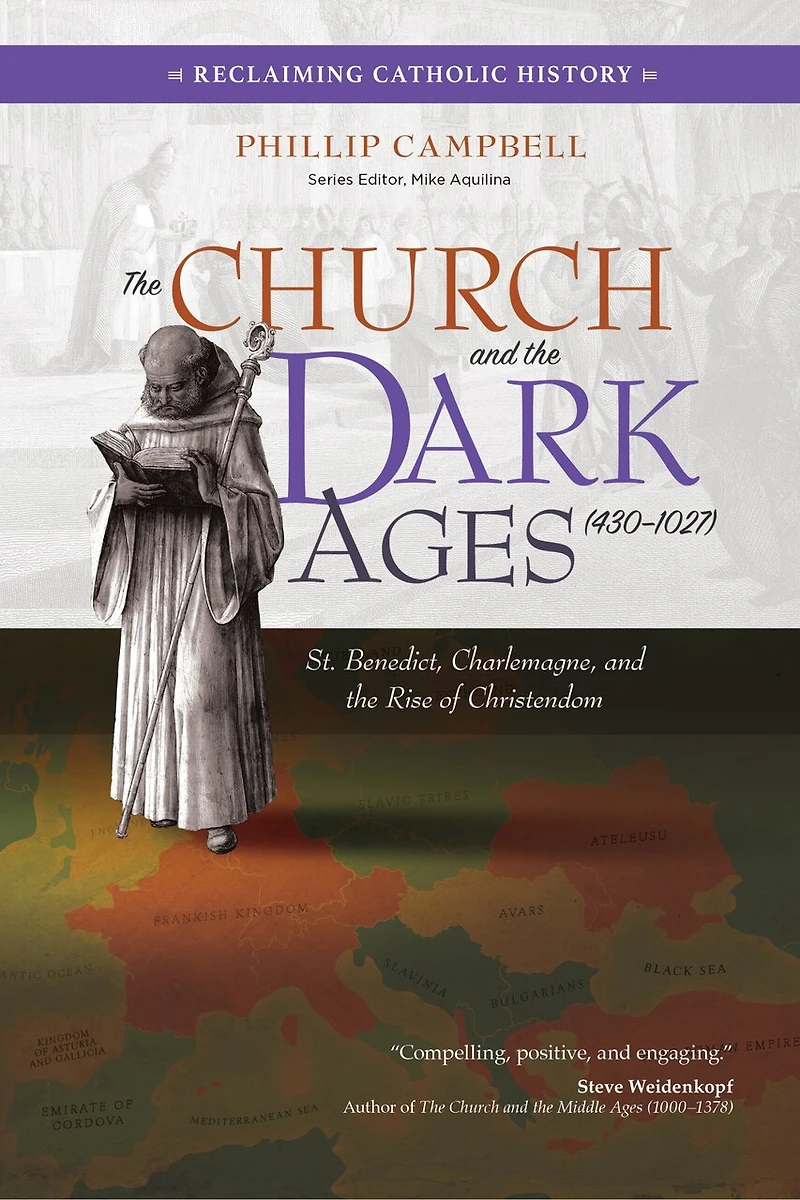
the Church and Dark Ages (430-1027): St. Benedict, Charlemagne, Rise of Christendom in Vernon, BC
Current price: $19.49
Original price: $24.36
Coles
the Church and Dark Ages (430-1027): St. Benedict, Charlemagne, Rise of Christendom in Vernon, BC
Current price: $19.49
Original price: $24.36
Loading Inventory...
Size: Kobo eBook
*Product information may vary - to confirm product availability, pricing, shipping and return information please contact Coles
What if the Dark Ages weren't really dark after all? You may have learned in world history class that the fall of the Roman Empire led to centuries of violence, ignorance, and barbarism in Europe. But that's not all that happened during that time! The period between the fall of the Roman Empire and the High Middle Ages also was characterized by institutional, spiritual, and cultural advancements such as the rise of monasticism with St. Benedict of Nursia and the first encyclopedia by a Christian writer, St. Isidore of Seville. In The Church and the Dark Ages (430-1027) , author Phillip Campbell explains that the Dark Ages were not only a period of great political and cultural transition but also an era of great transformation in the Catholic Church. Campbell highlights key personalities of the Dark Ages such as St. Gregory the Great, Charlemagne, King Alfred the Great, St. Patrick, and St. Brigid. You will learn that:
Benedictines were responsible for technical and scientific advancements such as the mechanical clock, human flight, and eyeglasses.
The Dark Ages was a period of great evangelization throughout Europe.
Christianity elevated the status of women, particularly through mutual consent in the Sacrament of Marriage.
The Church preserved literacy--and literature--throughout the chaotic centuries of early medieval Europe.
Books in the Reclaiming Catholic History series, edited by Mike Aquilina and written by leading authors and historians, bring Church history to life, debunking the myths one era at a time.
What if the Dark Ages weren't really dark after all? You may have learned in world history class that the fall of the Roman Empire led to centuries of violence, ignorance, and barbarism in Europe. But that's not all that happened during that time! The period between the fall of the Roman Empire and the High Middle Ages also was characterized by institutional, spiritual, and cultural advancements such as the rise of monasticism with St. Benedict of Nursia and the first encyclopedia by a Christian writer, St. Isidore of Seville. In The Church and the Dark Ages (430-1027) , author Phillip Campbell explains that the Dark Ages were not only a period of great political and cultural transition but also an era of great transformation in the Catholic Church. Campbell highlights key personalities of the Dark Ages such as St. Gregory the Great, Charlemagne, King Alfred the Great, St. Patrick, and St. Brigid. You will learn that:
Benedictines were responsible for technical and scientific advancements such as the mechanical clock, human flight, and eyeglasses.
The Dark Ages was a period of great evangelization throughout Europe.
Christianity elevated the status of women, particularly through mutual consent in the Sacrament of Marriage.
The Church preserved literacy--and literature--throughout the chaotic centuries of early medieval Europe.
Books in the Reclaiming Catholic History series, edited by Mike Aquilina and written by leading authors and historians, bring Church history to life, debunking the myths one era at a time.
You May Also Like
![The Dark Messiah [Dramatized Adaptation]: The Second Dark Ages 1](https://cdn.mall.adeptmind.ai/https%253A%252F%252Fcdn.shopify.com%252Fs%252Ffiles%252F1%252F0655%252F8980%252F5233%252Ffiles%252F1_728b6820-f53b-4885-984a-79b4e0353daf.jpg_medium.webp)







More About Coles at Village Green Shopping Centre
Find everything in-store including new, used and children’s books, music, movies, games and toys. Visit Coles today to find the perfect gift, or a novel for yourself. COVID-19 UPDATE: Open | Regular Centre Hours
Store Info
Find Coles at Village Green Shopping Centre in Vernon, BC
Visit Coles at Village Green Shopping Centre in Vernon, BC