

Choice Made Simple!
Too many options?Click below to purchase an online gift card that can be used at participating retailers in Village Green Shopping Centre and continue your shopping IN CENTRE!Purchase HereHome
Splendours and Miseries: Images of Prostitution in France, 1850-1910
Coles
Loading Inventory...
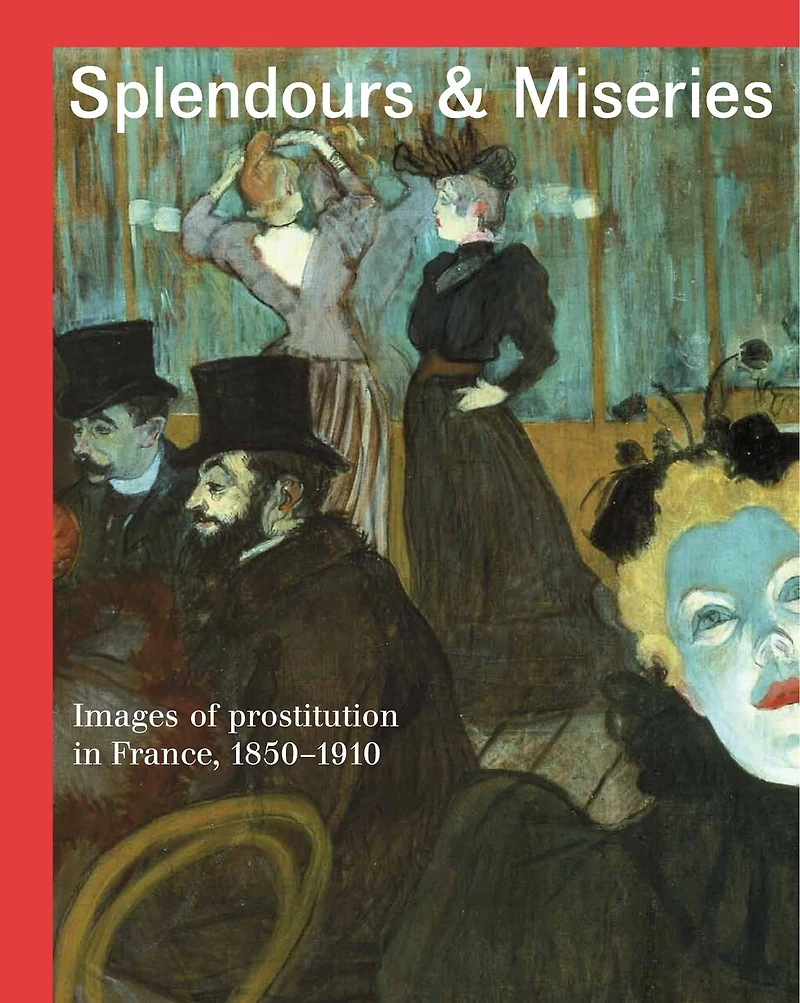
Splendours and Miseries: Images of Prostitution in France, 1850-1910 in Vernon, BC
Current price: $55.00
Coles
Splendours and Miseries: Images of Prostitution in France, 1850-1910 in Vernon, BC
Current price: $55.00
Loading Inventory...
Size: Hardcover
*Product information may vary - to confirm product availability, pricing, shipping and return information please contact Coles
This work traces the artists and photographers who—whether fascinated or repelled by prostitution in all its forms—captured the realities and fantasies of this ambiguous world. From the scandalous Olympia by Manet to Degas’s The Absinthe Drinker , from Toulouse-Lautrec and Munch’s forays into brothels to the bold figures and caricature portraits of Rouault, van Dongen, and Picasso, this book foregrounds how the shadowy domain of prostitution played a central role in the development of modern painting. In nine chapters, these paintings, sculptures, lithographs, sketches, photographs, and press clippings are given context within the moral framework of an era when prostitution was considered an unavoidable—or enticing—evil, powerfully evoking the ambivalent place held by prostitutes in the midst of nascent modernity, from the splendours of the demimondaines to the miseries of the working-girl pierreuses.
This work traces the artists and photographers who—whether fascinated or repelled by prostitution in all its forms—captured the realities and fantasies of this ambiguous world. From the scandalous Olympia by Manet to Degas’s The Absinthe Drinker , from Toulouse-Lautrec and Munch’s forays into brothels to the bold figures and caricature portraits of Rouault, van Dongen, and Picasso, this book foregrounds how the shadowy domain of prostitution played a central role in the development of modern painting. In nine chapters, these paintings, sculptures, lithographs, sketches, photographs, and press clippings are given context within the moral framework of an era when prostitution was considered an unavoidable—or enticing—evil, powerfully evoking the ambivalent place held by prostitutes in the midst of nascent modernity, from the splendours of the demimondaines to the miseries of the working-girl pierreuses.
You May Also Like
















More About Coles at Village Green Shopping Centre
Find everything in-store including new, used and children’s books, music, movies, games and toys. Visit Coles today to find the perfect gift, or a novel for yourself. COVID-19 UPDATE: Open | Regular Centre Hours
Store Info
Find Coles at Village Green Shopping Centre in Vernon, BC
Visit Coles at Village Green Shopping Centre in Vernon, BC