

Choice Made Simple!
Too many options?Click below to purchase an online gift card that can be used at participating retailers in Village Green Shopping Centre and continue your shopping IN CENTRE!Purchase HereHome
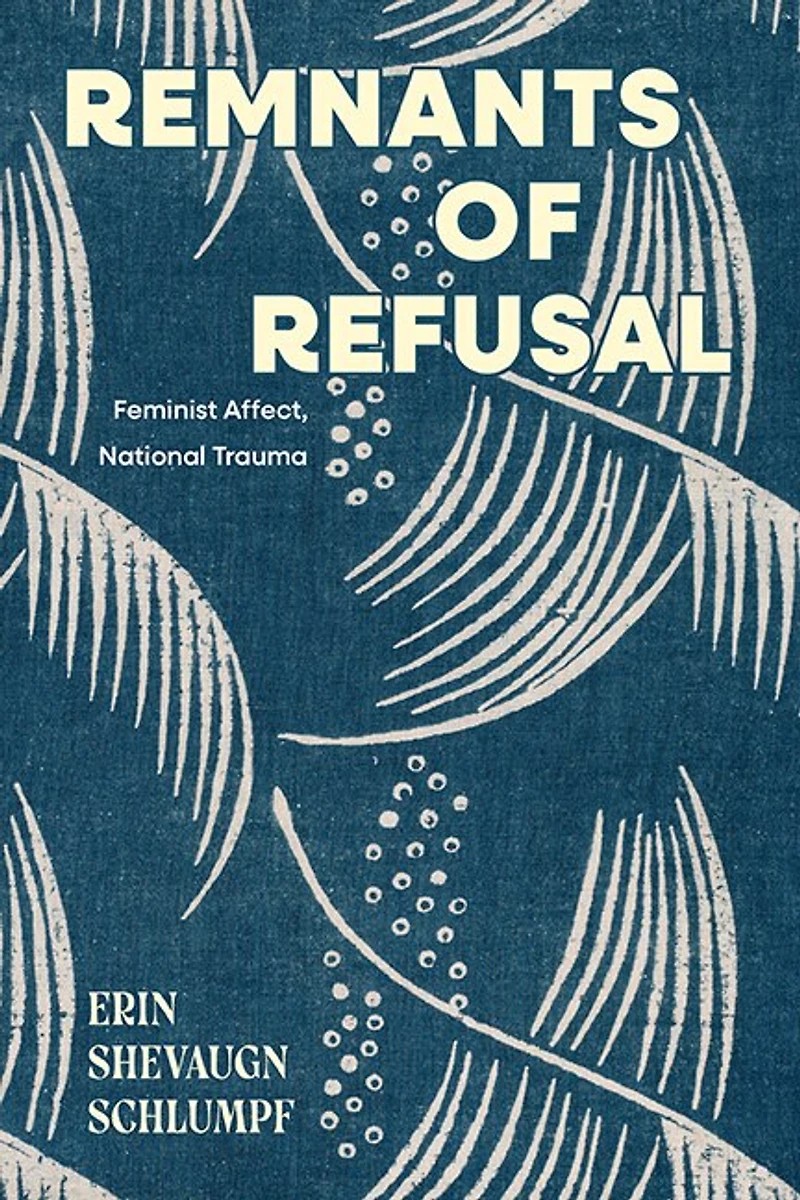
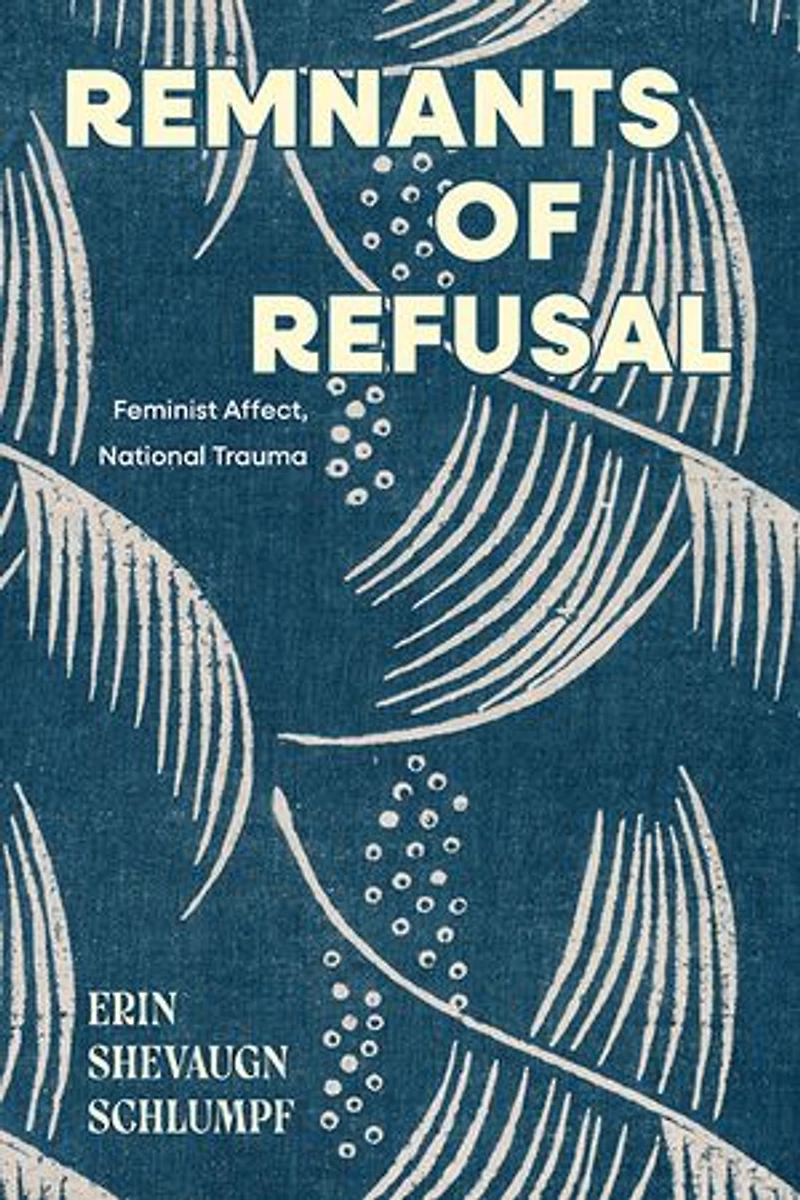
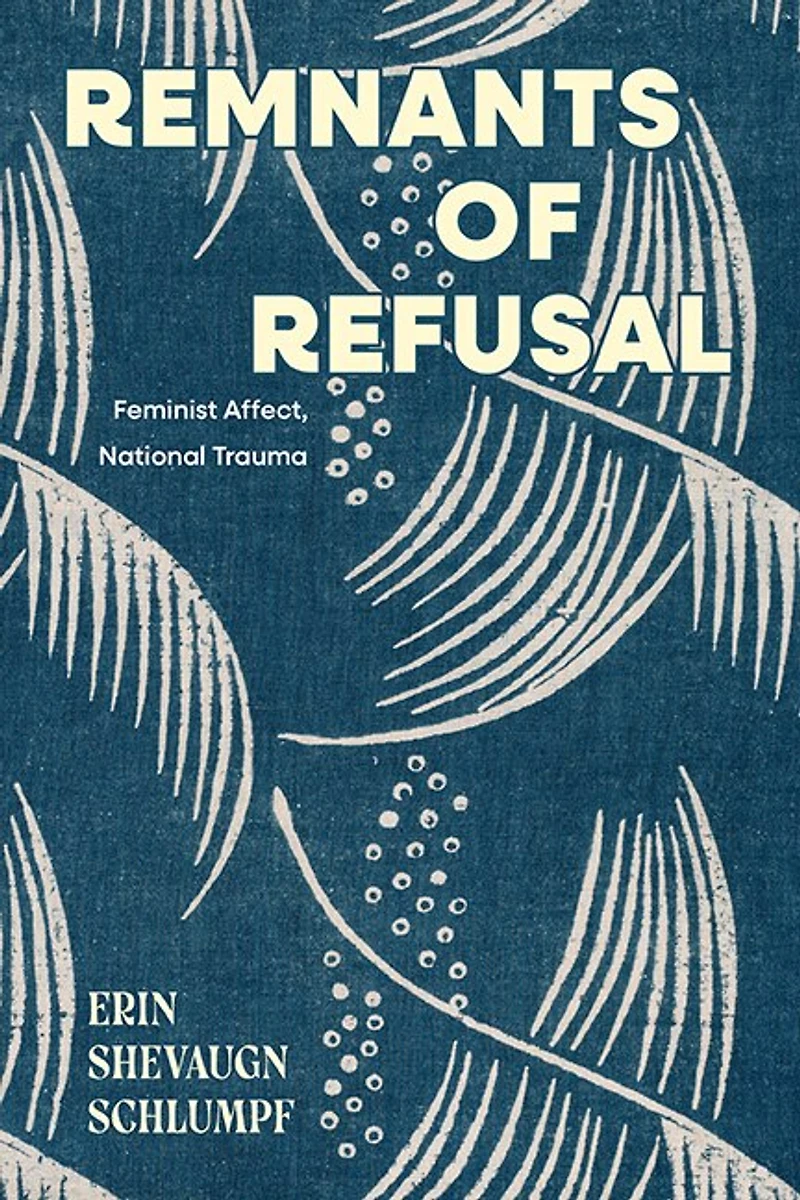
Remnants of Refusal: Feminist Affect, National Trauma
Coles
Loading Inventory...
Remnants of Refusal: Feminist Affect, National Trauma in Vernon, BC
By None
Current price: $162.95
Coles
Remnants of Refusal: Feminist Affect, National Trauma in Vernon, BC
By None
Current price: $162.95
Loading Inventory...
Size: Hardcover
*Product information may vary - to confirm product availability, pricing, shipping and return information please contact Coles
Analyzes how French and Chinese literary and filmic texts enact a series of feminist affective responses to the erasure of historical trauma.Remnants of Refusal traces an affective discourse of feminist refusal across a series of French and Chinese works of film and literature. Developing an inventive comparative approach, Erin Shevaugn Schlumpf argues that this discourse takes shape in response to two national traumas and their aftermath: the German Occupation and the Tiananmen Square Massacre, respectively. In both contexts, events associated with the trauma were effectively erased from the official historical record and replaced by an unwritten code of public secrecy. And, in both contexts, three affects-melancholy, ambivalence, and exhaustion-provide means of expressing mourning without breaking the taboo of direct representation. In films and literary texts by Wang Anyi, Chen Ran, Jia Zhangke, Nathalie Sarraute, Marguerite Duras, Jean-Luc Godard, and others, mourning is most frequently borne by and through the bodies of women, generating a broader feminist counternarrative to historical forgetting and burgeoning neoliberalism.
Analyzes how French and Chinese literary and filmic texts enact a series of feminist affective responses to the erasure of historical trauma.Remnants of Refusal traces an affective discourse of feminist refusal across a series of French and Chinese works of film and literature. Developing an inventive comparative approach, Erin Shevaugn Schlumpf argues that this discourse takes shape in response to two national traumas and their aftermath: the German Occupation and the Tiananmen Square Massacre, respectively. In both contexts, events associated with the trauma were effectively erased from the official historical record and replaced by an unwritten code of public secrecy. And, in both contexts, three affects-melancholy, ambivalence, and exhaustion-provide means of expressing mourning without breaking the taboo of direct representation. In films and literary texts by Wang Anyi, Chen Ran, Jia Zhangke, Nathalie Sarraute, Marguerite Duras, Jean-Luc Godard, and others, mourning is most frequently borne by and through the bodies of women, generating a broader feminist counternarrative to historical forgetting and burgeoning neoliberalism.
You May Also Like








More About Coles at Village Green Shopping Centre
Find everything in-store including new, used and children’s books, music, movies, games and toys. Visit Coles today to find the perfect gift, or a novel for yourself. COVID-19 UPDATE: Open | Regular Centre Hours
Store Info
Find Coles at Village Green Shopping Centre in Vernon, BC
Visit Coles at Village Green Shopping Centre in Vernon, BC