

Choice Made Simple!
Too many options?Click below to purchase an online gift card that can be used at participating retailers in Village Green Shopping Centre and continue your shopping IN CENTRE!Purchase HereHome
Reading Hitler's Mind: The Intelligence Failure that led to WW2
Coles
Loading Inventory...
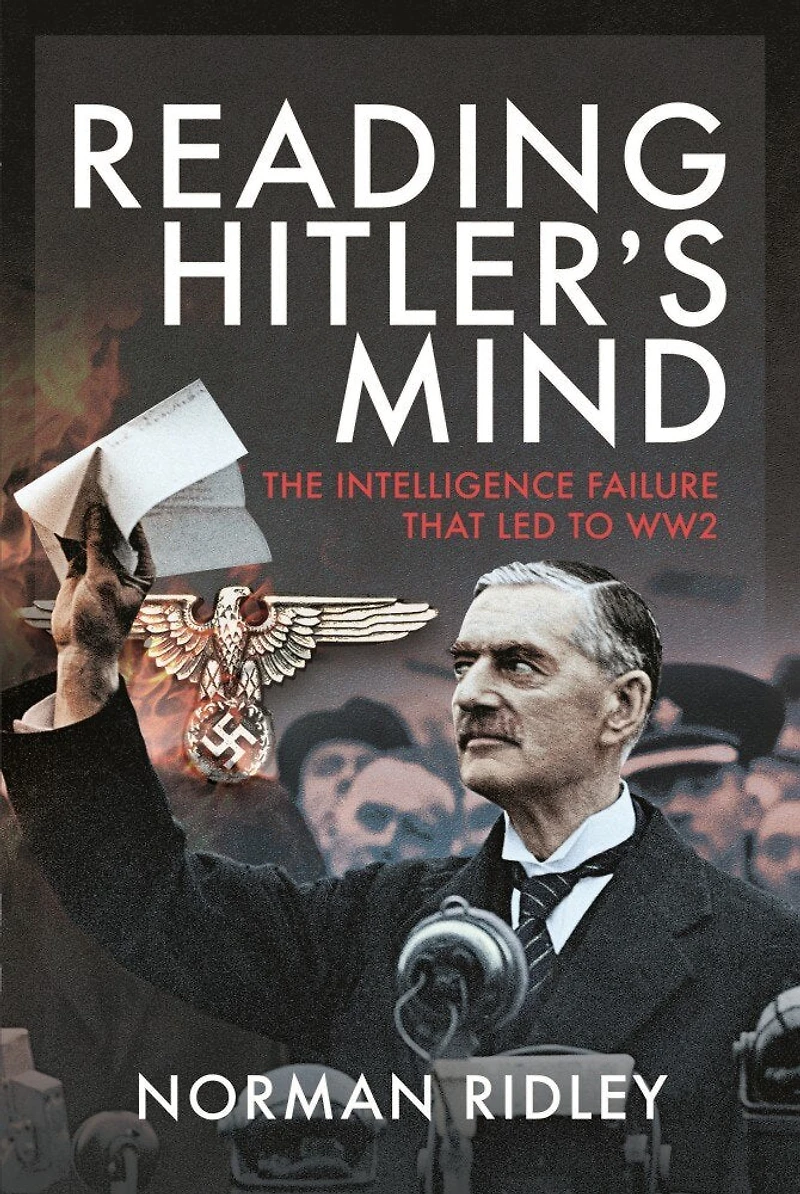
Reading Hitler's Mind: The Intelligence Failure that led to WW2 in Vernon, BC
Current price: $51.50
Coles
Reading Hitler's Mind: The Intelligence Failure that led to WW2 in Vernon, BC
Current price: $51.50
Loading Inventory...
Size: Hardcover
*Product information may vary - to confirm product availability, pricing, shipping and return information please contact Coles
"...serves as a useful and insightful introduction to a crucial period in world history, with lessons for both the intelligence scholar and the history enthusiast."-American Intelligence Journal Most strongly associated with Prime Minister Neville Chamberlain, it is often stated that Britain's policy of appeasement was instituted in the 1930s in the hope of avoiding war with Hitler's Nazi Germany. At the time, appeasement was viewed by many as a popular and seemingly pragmatic policy. In this book the author sets out to show how appeasement was not a naïve attempt to secure a lasting peace by resolving German grievances, but a means of buying time for rearmament. By the middle of the 1930s, British policy was based on the presumption that the balance of power had already dramatically shifted in Germany's favor. It was felt that Britain, chiefly for economic reasons, was unable to restore the balance, and that extensive concessions to Germany would not satisfy Hitler, whose aggressive policies intensified the already high risk of war. The only realistic option, and one that was clearly adopted by Neville Chamberlain, was to try to influence the timing of the inevitable military confrontation and, in the meantime, pursue a steady and economically sustainable program of rearmament. Appeasement would 'buy' that time for the British government. Crucially this strategy required continuously updated and accurate information about the strength, current and future, of the German armed forces, especially the Luftwaffe, and an understanding of their military strategy. Piercing the Nazis' veil of secrecy was vital if the intelligence services were to build up a true picture of the extent of German rearmament and the purposes to which it might be put. The many agents, codebreakers, and counter-espionage personnel played a vital role in maximizing the benefits that appeasement provided - even as war clouds continued to gather. These individuals were increasingly handed greater responsibility in a bid to inform British statesmen now scrambling to prepare for a catastrophic confrontation with Germany. In Reading Hitler's Mind, Norman Ridley reveals the remarkable efforts made by the tiny, underfunded and often side-lined British intelligence services as they sought to inform those whose role it was to make decisions upon which the wheels of history turned.
"...serves as a useful and insightful introduction to a crucial period in world history, with lessons for both the intelligence scholar and the history enthusiast."-American Intelligence Journal Most strongly associated with Prime Minister Neville Chamberlain, it is often stated that Britain's policy of appeasement was instituted in the 1930s in the hope of avoiding war with Hitler's Nazi Germany. At the time, appeasement was viewed by many as a popular and seemingly pragmatic policy. In this book the author sets out to show how appeasement was not a naïve attempt to secure a lasting peace by resolving German grievances, but a means of buying time for rearmament. By the middle of the 1930s, British policy was based on the presumption that the balance of power had already dramatically shifted in Germany's favor. It was felt that Britain, chiefly for economic reasons, was unable to restore the balance, and that extensive concessions to Germany would not satisfy Hitler, whose aggressive policies intensified the already high risk of war. The only realistic option, and one that was clearly adopted by Neville Chamberlain, was to try to influence the timing of the inevitable military confrontation and, in the meantime, pursue a steady and economically sustainable program of rearmament. Appeasement would 'buy' that time for the British government. Crucially this strategy required continuously updated and accurate information about the strength, current and future, of the German armed forces, especially the Luftwaffe, and an understanding of their military strategy. Piercing the Nazis' veil of secrecy was vital if the intelligence services were to build up a true picture of the extent of German rearmament and the purposes to which it might be put. The many agents, codebreakers, and counter-espionage personnel played a vital role in maximizing the benefits that appeasement provided - even as war clouds continued to gather. These individuals were increasingly handed greater responsibility in a bid to inform British statesmen now scrambling to prepare for a catastrophic confrontation with Germany. In Reading Hitler's Mind, Norman Ridley reveals the remarkable efforts made by the tiny, underfunded and often side-lined British intelligence services as they sought to inform those whose role it was to make decisions upon which the wheels of history turned.
You May Also Like













More About Coles at Village Green Shopping Centre
Find everything in-store including new, used and children’s books, music, movies, games and toys. Visit Coles today to find the perfect gift, or a novel for yourself. COVID-19 UPDATE: Open | Regular Centre Hours
Store Info
Find Coles at Village Green Shopping Centre in Vernon, BC
Visit Coles at Village Green Shopping Centre in Vernon, BC