

Choice Made Simple!
Too many options?Click below to purchase an online gift card that can be used at participating retailers in Village Green Shopping Centre and continue your shopping IN CENTRE!Purchase HereHome
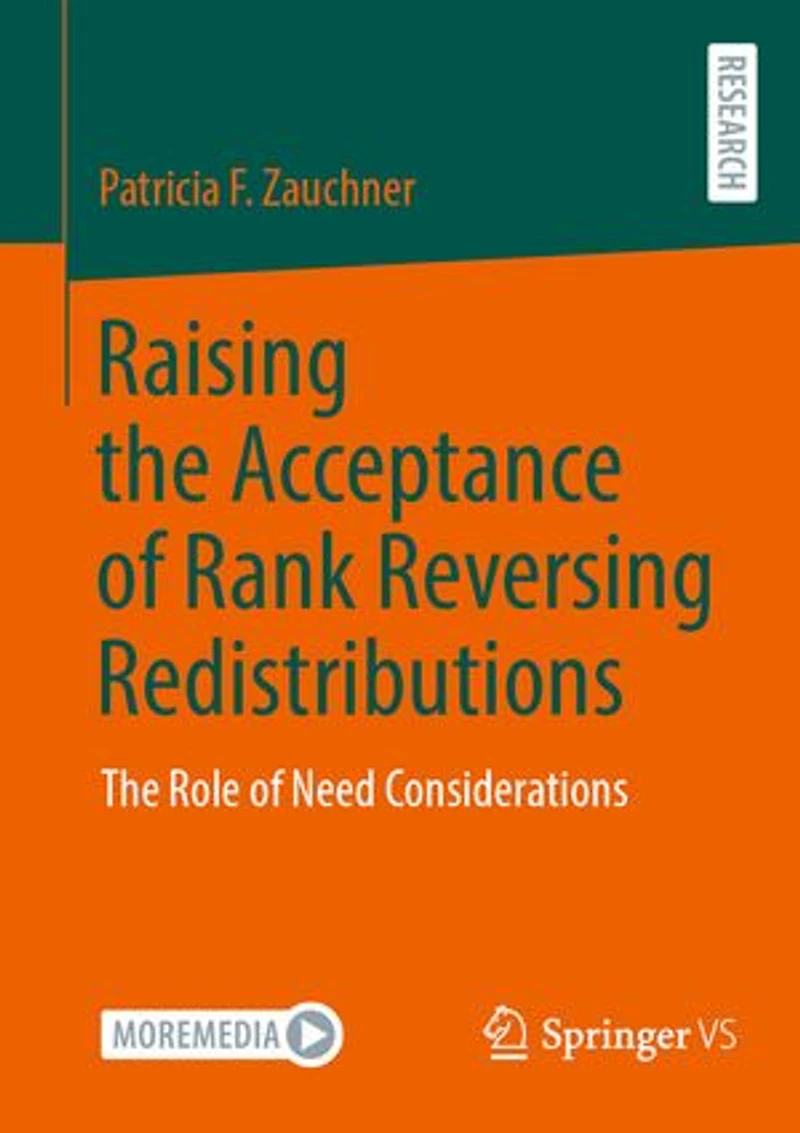
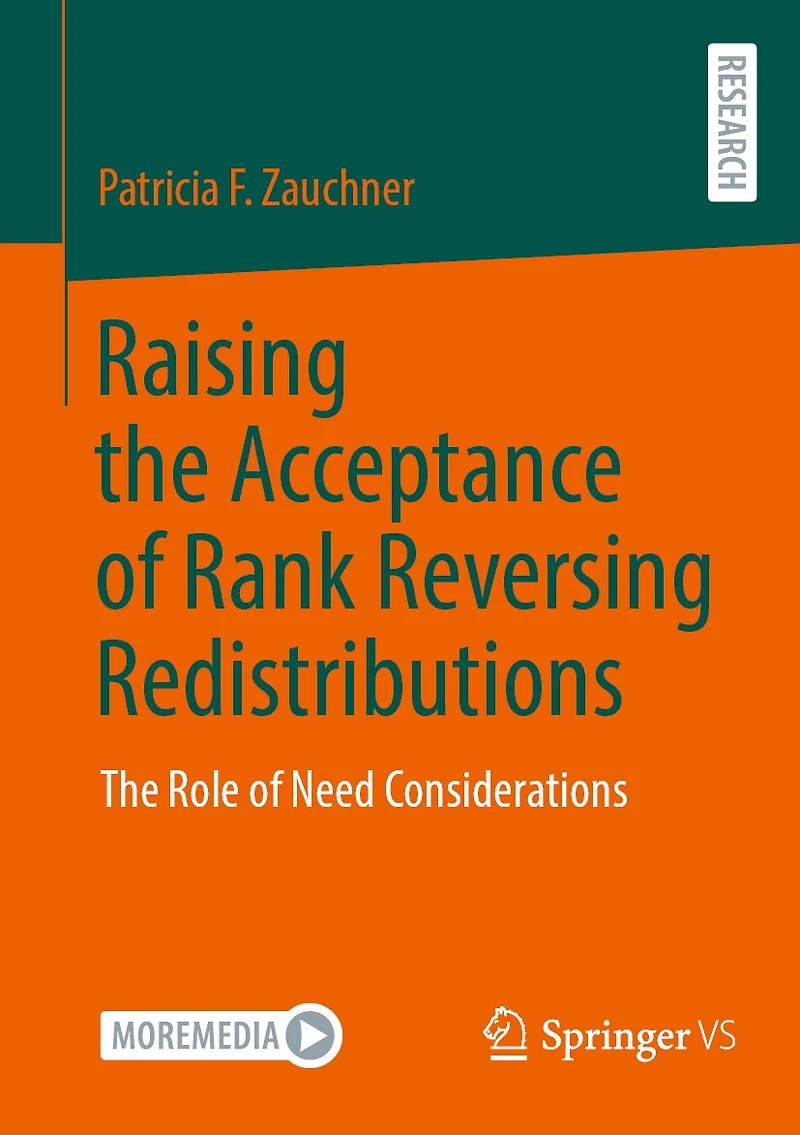
Raising The Acceptance of Rank Reversing Redistributions: Role Need Considerations
Coles
Loading Inventory...
Raising The Acceptance of Rank Reversing Redistributions: Role Need Considerations in Vernon, BC
By None
Current price: $128.99
Original price: $161.25
Coles
Raising The Acceptance of Rank Reversing Redistributions: Role Need Considerations in Vernon, BC
By None
Current price: $128.99
Original price: $161.25
Loading Inventory...
Size: Kobo eBook
*Product information may vary - to confirm product availability, pricing, shipping and return information please contact Coles
Redistribution is a major objective of welfare states. In certain cases, redistribution not only reduces the financial differences between some individuals or groups but also changes their positions in a financial ranking. Prior studies have indicated that such rank reversals can reduce support for redistribution. This book addresses this issue by arguing that if redistribution is aimed at meeting needs rather than promoting equality, the negative effect of rank reversals on the acceptance of redistribution can be reduced. The argument is first supported by a theoretical exploration, which, among others, endeavors to incorporate a no-reranking principle into the well-established list of distributive justice principles. It shows that although individuals may apply the no-reranking principle, the principle is normatively weak, especially compared to the need principle. The argument is further supported by evidence from an online third-party dictator game in which each decision-maker had to redistribute money between two other participants. It varied whether those participants were above or below a specific needs threshold and whether a transfer would reverse ranks or not. The results showed that when redistribution was required to satisfy the poorer person's needs, the negative effect of rank reversals on the acceptance of redistribution almost vanished.
Redistribution is a major objective of welfare states. In certain cases, redistribution not only reduces the financial differences between some individuals or groups but also changes their positions in a financial ranking. Prior studies have indicated that such rank reversals can reduce support for redistribution. This book addresses this issue by arguing that if redistribution is aimed at meeting needs rather than promoting equality, the negative effect of rank reversals on the acceptance of redistribution can be reduced. The argument is first supported by a theoretical exploration, which, among others, endeavors to incorporate a no-reranking principle into the well-established list of distributive justice principles. It shows that although individuals may apply the no-reranking principle, the principle is normatively weak, especially compared to the need principle. The argument is further supported by evidence from an online third-party dictator game in which each decision-maker had to redistribute money between two other participants. It varied whether those participants were above or below a specific needs threshold and whether a transfer would reverse ranks or not. The results showed that when redistribution was required to satisfy the poorer person's needs, the negative effect of rank reversals on the acceptance of redistribution almost vanished.
You May Also Like

![Considerations On the Propriety of Imposing Taxes in the British Colonies, for the Purpose of Raising a Revenue, by Act of Parliament [By D. Dulany]](https://cdn.mall.adeptmind.ai/https%253A%252F%252Fcdn.shopify.com%252Fs%252Ffiles%252F1%252F0655%252F8980%252F5233%252Ffiles%252F1_0c97f8e4-9f8d-4d08-831e-de659e9d9dc9.jpg_medium.webp)















More About Coles at Village Green Shopping Centre
Find everything in-store including new, used and children’s books, music, movies, games and toys. Visit Coles today to find the perfect gift, or a novel for yourself. COVID-19 UPDATE: Open | Regular Centre Hours
Store Info
Find Coles at Village Green Shopping Centre in Vernon, BC
Visit Coles at Village Green Shopping Centre in Vernon, BC