

Choice Made Simple!
Too many options?Click below to purchase an online gift card that can be used at participating retailers in Village Green Shopping Centre and continue your shopping IN CENTRE!Purchase HereHome
Railways of Cumbria
Coles
Loading Inventory...
Railways of Cumbria in Vernon, BC
By None
Current price: $17.99
Original price: $22.40
Coles
Railways of Cumbria in Vernon, BC
By None
Current price: $17.99
Original price: $22.40
Loading Inventory...
Size: Kobo eBook
*Product information may vary - to confirm product availability, pricing, shipping and return information please contact Coles
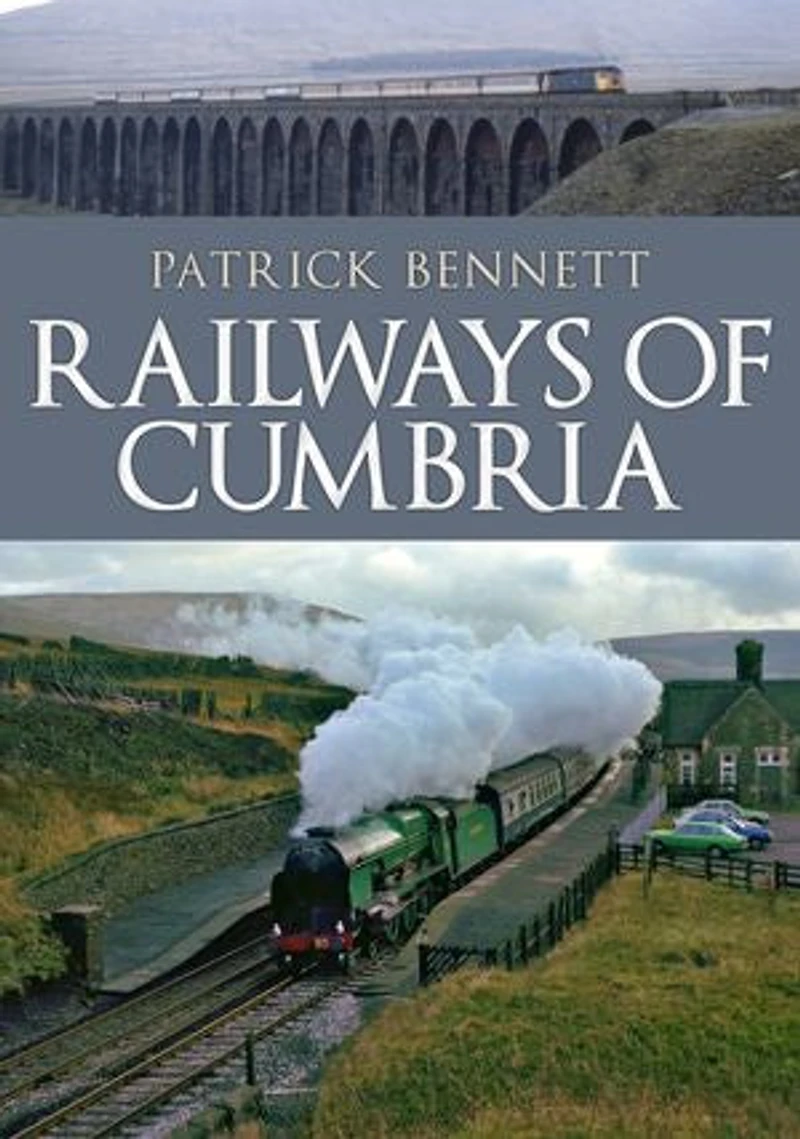
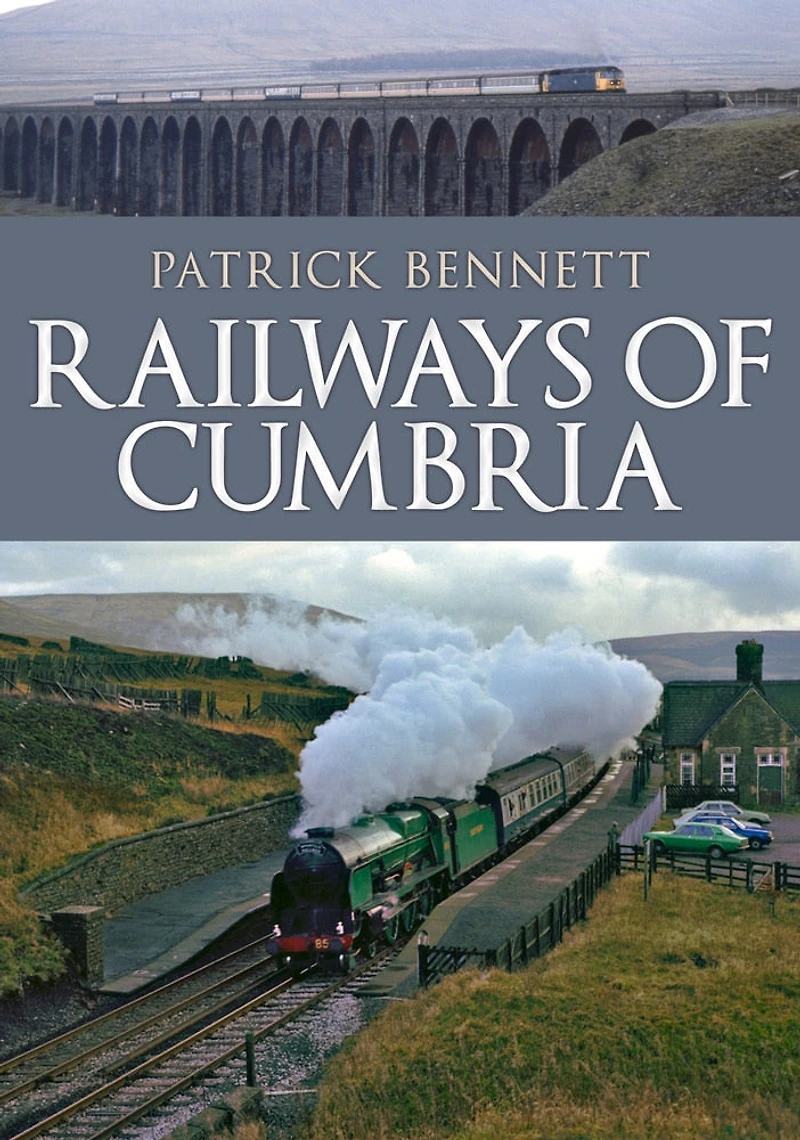
No fewer than sixteen pre-grouping companies were represented within Cumbria’s borders, seven of these in Carlisle alone. To the east of the mountains are the great Anglo-Scottish lines of the London and North Western and the Midland. Venturing across the Pennines were the transversal routes of the North Eastern Railway, from Newcastle to Carlisle, and Darlington to Tebay and Penrith. The Cumbrian coast presents a completely different picture. Here the multiple competing companies were concerned principally with the transport of coal and mineral ores to serve the huge industrial complexes to the west and south. The two principal coastal lines were the Maryport and Carlisle in the north and the Furness in the west and south. In the Whitehaven/Workington hinterland there was a number of other railways, all concerned with mineral extraction and transport. Lines penetrating the interior of the Lake District were the Coniston, Lakeside and Windermere branches and the Cockermouth, Keswick & Penrith Railway that crossed the Lake District from west to east. In the north were the Caledonian with its main line to Carlisle and the short-lived Solway Junction Railway, and the North British with the Waverley, Port Carlisle, and Silloth lines. The Glasgow and South Western also ran trains into Glasgow. The history, development, and in some cases closure of each of these lines is described in turn, illustrated with a selection of photographs from different periods in their history.
No fewer than sixteen pre-grouping companies were represented within Cumbria’s borders, seven of these in Carlisle alone. To the east of the mountains are the great Anglo-Scottish lines of the London and North Western and the Midland. Venturing across the Pennines were the transversal routes of the North Eastern Railway, from Newcastle to Carlisle, and Darlington to Tebay and Penrith. The Cumbrian coast presents a completely different picture. Here the multiple competing companies were concerned principally with the transport of coal and mineral ores to serve the huge industrial complexes to the west and south. The two principal coastal lines were the Maryport and Carlisle in the north and the Furness in the west and south. In the Whitehaven/Workington hinterland there was a number of other railways, all concerned with mineral extraction and transport. Lines penetrating the interior of the Lake District were the Coniston, Lakeside and Windermere branches and the Cockermouth, Keswick & Penrith Railway that crossed the Lake District from west to east. In the north were the Caledonian with its main line to Carlisle and the short-lived Solway Junction Railway, and the North British with the Waverley, Port Carlisle, and Silloth lines. The Glasgow and South Western also ran trains into Glasgow. The history, development, and in some cases closure of each of these lines is described in turn, illustrated with a selection of photographs from different periods in their history.
You May Also Like












More About Coles at Village Green Shopping Centre
Find everything in-store including new, used and children’s books, music, movies, games and toys. Visit Coles today to find the perfect gift, or a novel for yourself. COVID-19 UPDATE: Open | Regular Centre Hours
Store Info
Find Coles at Village Green Shopping Centre in Vernon, BC
Visit Coles at Village Green Shopping Centre in Vernon, BC