

Choice Made Simple!
Too many options?Click below to purchase an online gift card that can be used at participating retailers in Village Green Shopping Centre and continue your shopping IN CENTRE!Purchase HereHome
Notes Upon Indigo (1878)
Coles
Loading Inventory...
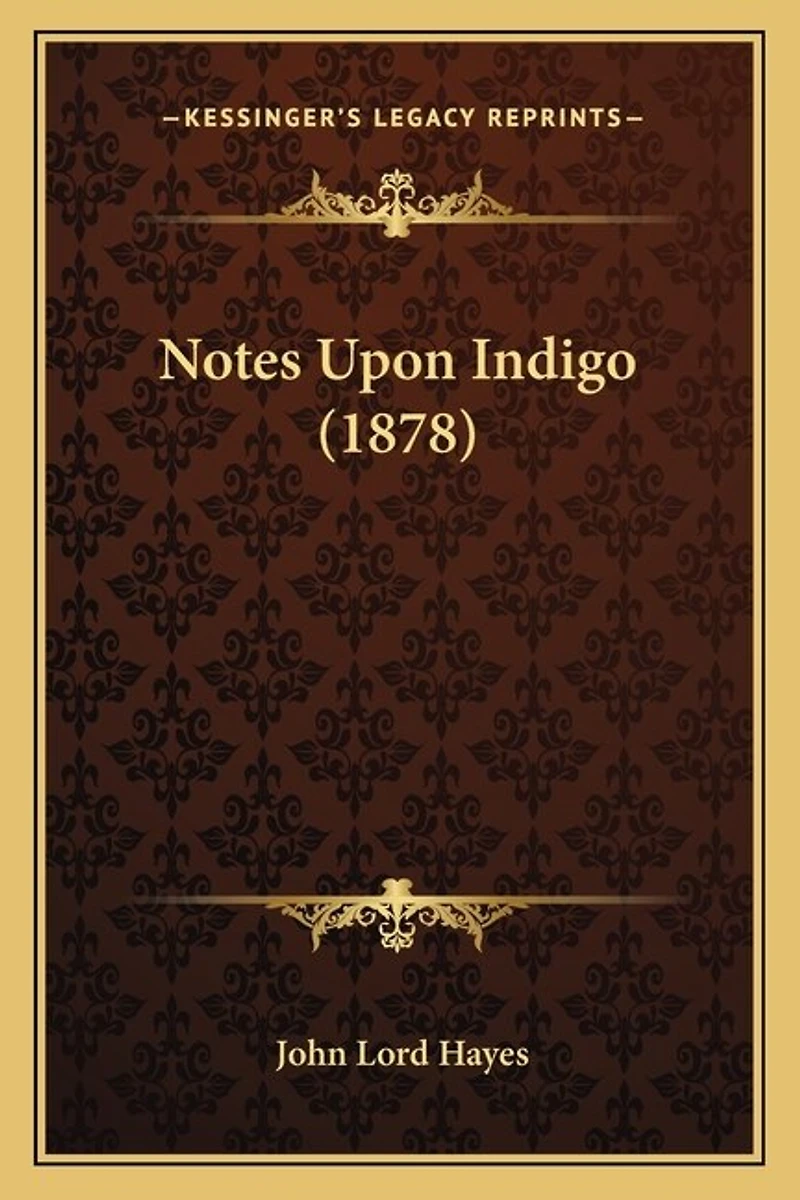
Notes Upon Indigo (1878) in Vernon, BC
Current price: $27.50
Coles
Notes Upon Indigo (1878) in Vernon, BC
Current price: $27.50
Loading Inventory...
Size: Paperback
*Product information may vary - to confirm product availability, pricing, shipping and return information please contact Coles
Notes Upon Indigo is a book written by John Lord Hayes in 1878. The book is a detailed exploration of the history, production, and uses of indigo, a natural dye that has been used for centuries to color textiles. The author provides a comprehensive overview of the indigo plant, its cultivation, and the methods used to extract the dye from its leaves. He also discusses the various techniques used to dye fabrics with indigo, including resist dyeing and vat dyeing. The book also contains information on the trade and commerce of indigo, including the role of indigo in the economy of India and the impact of synthetic dyes on the industry. Overall, Notes Upon Indigo is a valuable resource for anyone interested in the history of textiles and the use of natural dyes.This scarce antiquarian book is a facsimile reprint of the old original and may contain some imperfections such as library marks and notations. Because we believe this work is culturally important, we have made it available as part of our commitment for protecting, preserving, and promoting the world's literature in affordable, high quality, modern editions, that are true to their original work.
Notes Upon Indigo is a book written by John Lord Hayes in 1878. The book is a detailed exploration of the history, production, and uses of indigo, a natural dye that has been used for centuries to color textiles. The author provides a comprehensive overview of the indigo plant, its cultivation, and the methods used to extract the dye from its leaves. He also discusses the various techniques used to dye fabrics with indigo, including resist dyeing and vat dyeing. The book also contains information on the trade and commerce of indigo, including the role of indigo in the economy of India and the impact of synthetic dyes on the industry. Overall, Notes Upon Indigo is a valuable resource for anyone interested in the history of textiles and the use of natural dyes.This scarce antiquarian book is a facsimile reprint of the old original and may contain some imperfections such as library marks and notations. Because we believe this work is culturally important, we have made it available as part of our commitment for protecting, preserving, and promoting the world's literature in affordable, high quality, modern editions, that are true to their original work.
You May Also Like







More About Coles at Village Green Shopping Centre
Find everything in-store including new, used and children’s books, music, movies, games and toys. Visit Coles today to find the perfect gift, or a novel for yourself. COVID-19 UPDATE: Open | Regular Centre Hours
Store Info
Find Coles at Village Green Shopping Centre in Vernon, BC
Visit Coles at Village Green Shopping Centre in Vernon, BC