

Choice Made Simple!
Too many options?Click below to purchase an online gift card that can be used at participating retailers in Village Green Shopping Centre and continue your shopping IN CENTRE!Purchase HereHome
Naga Textiles: Design, Technique, Meaning And Effect Of A Local Craft Tradition
Coles
Loading Inventory...
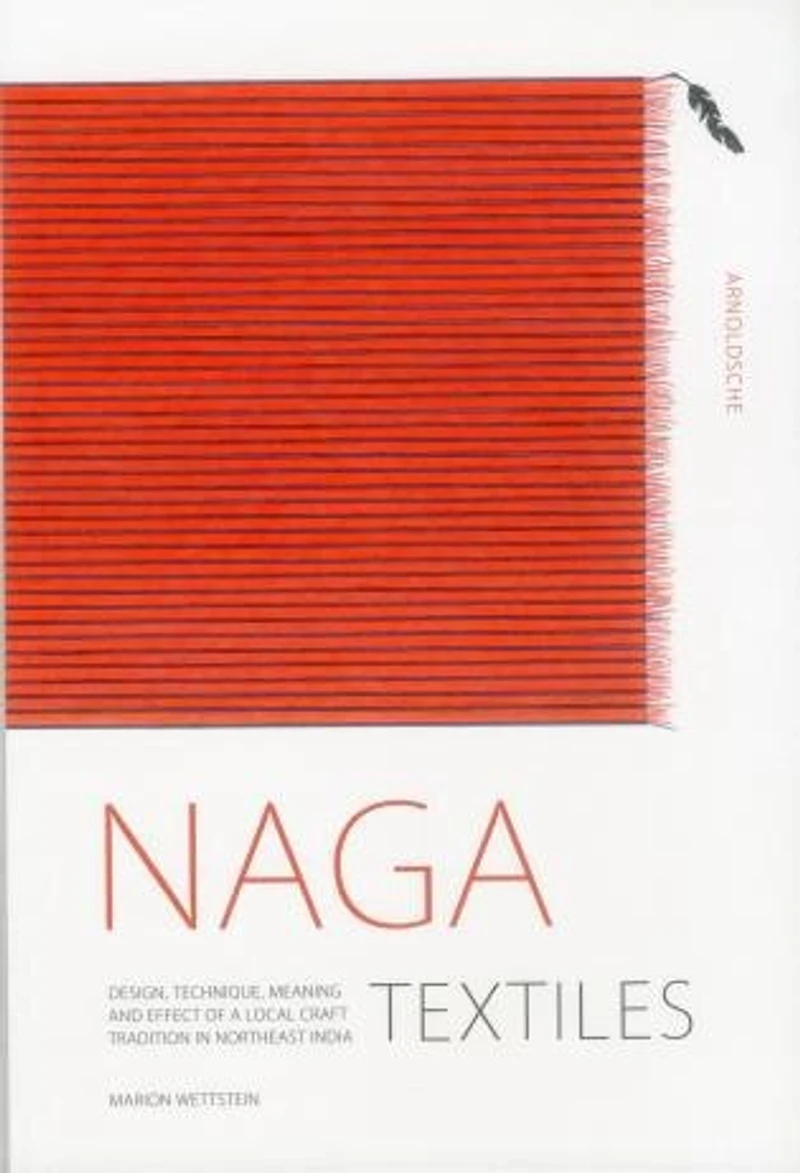
Naga Textiles: Design, Technique, Meaning And Effect Of A Local Craft Tradition in Vernon, BC
Current price: $124.00
Coles
Naga Textiles: Design, Technique, Meaning And Effect Of A Local Craft Tradition in Vernon, BC
Current price: $124.00
Loading Inventory...
Size: Hardcover
*Product information may vary - to confirm product availability, pricing, shipping and return information please contact Coles
The focus of this comprehensive work is the aesthetics and the decryption of the language of the textiles of the Nagas, a group of tribal local cultures in the north-east of India and the north-west of Burma. For more than ten years, anthropologist Marion Wettstein has systematically been drawing the traditional fabrics, and researching their design, production techniques, meaning and contemporary transposition into fashion. More than 60 color pencil drawings and 180 watercolors on the morphology of the textile samples are considered by the author to be not just an artistic translation but in particular visual argumentation.
While the work shows how the textile patterns are laden with meaning of a complex system of status and social structure, it also illuminates what is understood by these concepts in the context of the Nagas and to what extent they are also constructs of colonial and scientific intervention.
The focus of this comprehensive work is the aesthetics and the decryption of the language of the textiles of the Nagas, a group of tribal local cultures in the north-east of India and the north-west of Burma. For more than ten years, anthropologist Marion Wettstein has systematically been drawing the traditional fabrics, and researching their design, production techniques, meaning and contemporary transposition into fashion. More than 60 color pencil drawings and 180 watercolors on the morphology of the textile samples are considered by the author to be not just an artistic translation but in particular visual argumentation.
While the work shows how the textile patterns are laden with meaning of a complex system of status and social structure, it also illuminates what is understood by these concepts in the context of the Nagas and to what extent they are also constructs of colonial and scientific intervention.
You May Also Like











More About Coles at Village Green Shopping Centre
Find everything in-store including new, used and children’s books, music, movies, games and toys. Visit Coles today to find the perfect gift, or a novel for yourself. COVID-19 UPDATE: Open | Regular Centre Hours
Store Info
Find Coles at Village Green Shopping Centre in Vernon, BC
Visit Coles at Village Green Shopping Centre in Vernon, BC