

Choice Made Simple!
Too many options?Click below to purchase an online gift card that can be used at participating retailers in Village Green Shopping Centre and continue your shopping IN CENTRE!Purchase HereHome
Me, not you: The trouble with mainstream feminism
Coles
Loading Inventory...
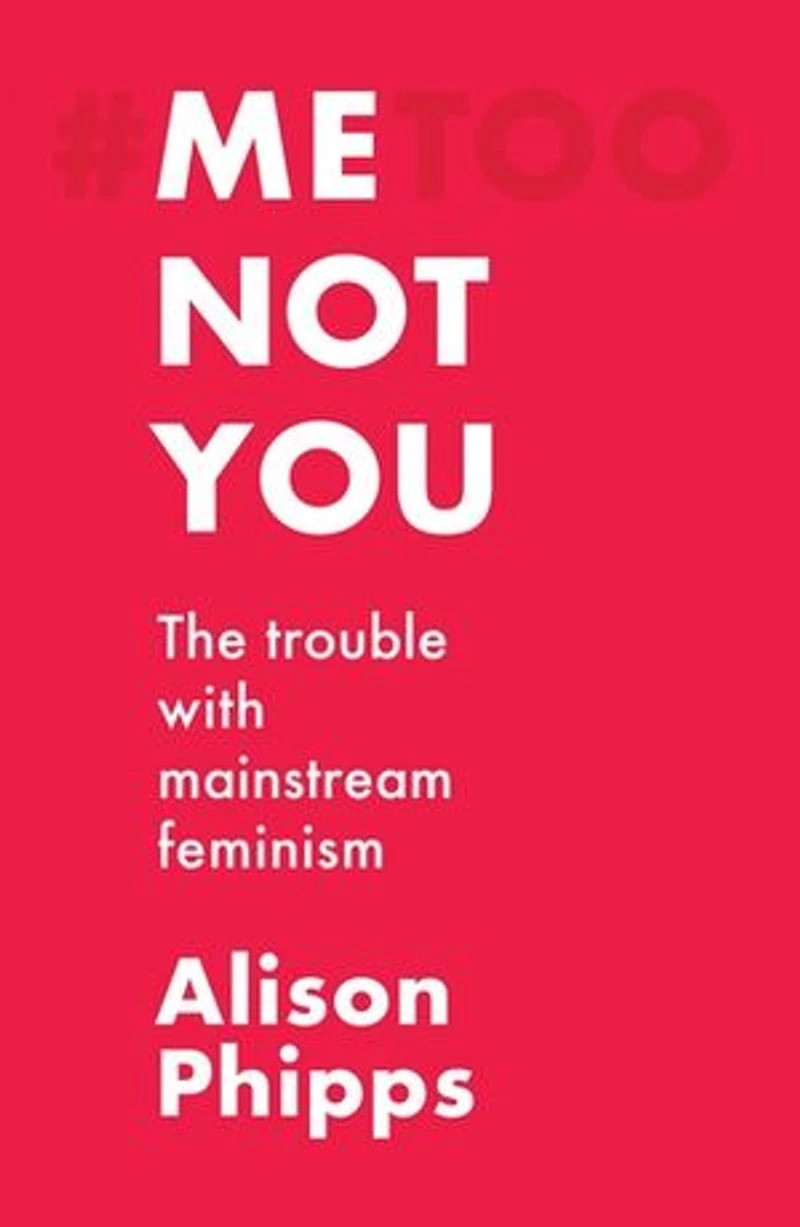
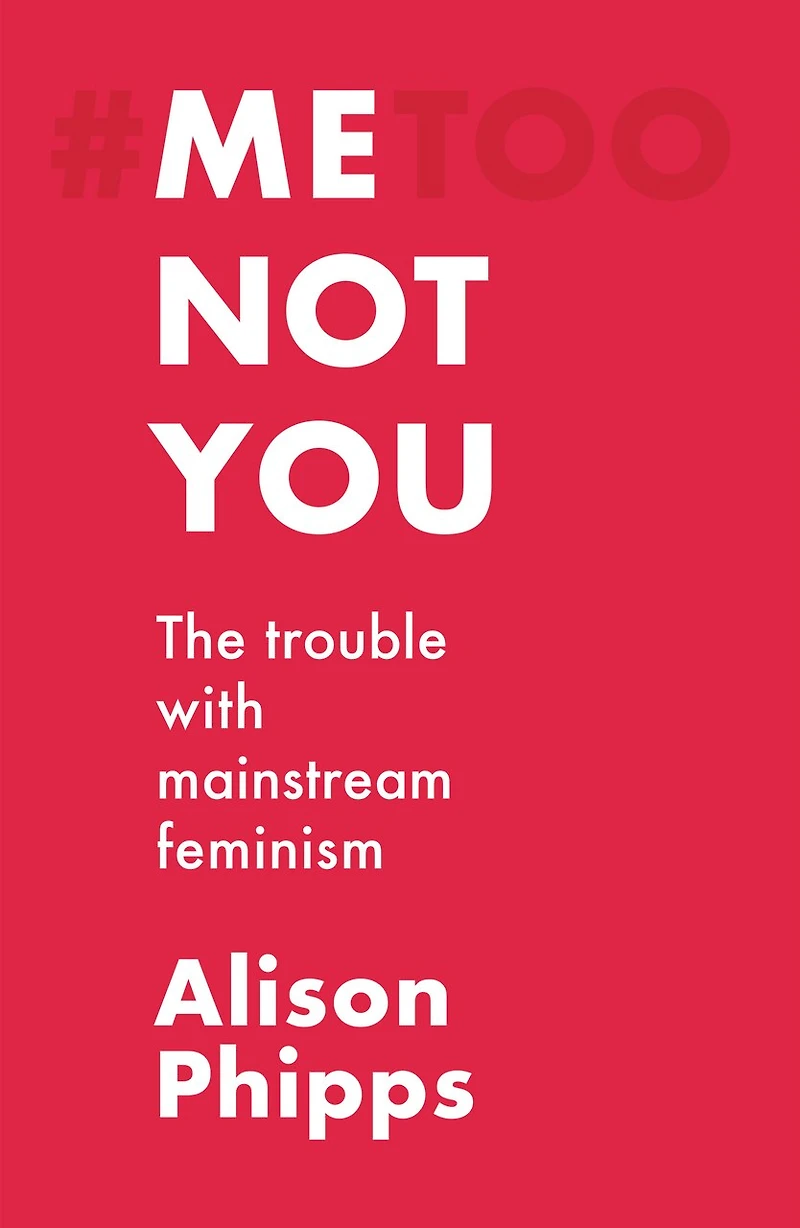
Me, not you: The trouble with mainstream feminism in Vernon, BC
By None
Current price: $14.09
Original price: $17.58
Coles
Me, not you: The trouble with mainstream feminism in Vernon, BC
By None
Current price: $14.09
Original price: $17.58
Loading Inventory...
Size: Kobo eBook
*Product information may vary - to confirm product availability, pricing, shipping and return information please contact Coles
The Me Too movement, started by Black feminist Tarana Burke in 2006, went viral as a hashtag eleven years later after a tweet by white actor Alyssa Milano. Mainstream movements like #MeToo have often built on and co-opted the work of women of colour, while refusing to learn from them or centre their concerns. Far too often, the message is not ‘Me, Too’ but ‘Me, Not You’. Alison Phipps argues that this is not just a lack of solidarity. Privileged white women also sacrifice more marginalised people to achieve their aims, or even define them as enemies when they get in the way.
Me, not you argues that the mainstream movement against sexual violence expresses a political whiteness that both reflects its demographics and limits its revolutionary potential. Privileged white women use their traumatic experiences to create media outrage, while relying on state power and bureaucracy to purge ‘bad men’ from elite institutions with little concern for where they might appear next. In their attacks on sex workers and trans people, the more reactionary branches of this feminist movement play into the hands of the resurgent far-right.
The Me Too movement, started by Black feminist Tarana Burke in 2006, went viral as a hashtag eleven years later after a tweet by white actor Alyssa Milano. Mainstream movements like #MeToo have often built on and co-opted the work of women of colour, while refusing to learn from them or centre their concerns. Far too often, the message is not ‘Me, Too’ but ‘Me, Not You’. Alison Phipps argues that this is not just a lack of solidarity. Privileged white women also sacrifice more marginalised people to achieve their aims, or even define them as enemies when they get in the way.
Me, not you argues that the mainstream movement against sexual violence expresses a political whiteness that both reflects its demographics and limits its revolutionary potential. Privileged white women use their traumatic experiences to create media outrage, while relying on state power and bureaucracy to purge ‘bad men’ from elite institutions with little concern for where they might appear next. In their attacks on sex workers and trans people, the more reactionary branches of this feminist movement play into the hands of the resurgent far-right.
You May Also Like








More About Coles at Village Green Shopping Centre
Find everything in-store including new, used and children’s books, music, movies, games and toys. Visit Coles today to find the perfect gift, or a novel for yourself. COVID-19 UPDATE: Open | Regular Centre Hours
Store Info
Find Coles at Village Green Shopping Centre in Vernon, BC
Visit Coles at Village Green Shopping Centre in Vernon, BC