

Choice Made Simple!
Too many options?Click below to purchase an online gift card that can be used at participating retailers in Village Green Shopping Centre and continue your shopping IN CENTRE!Purchase HereHome
Making Sense of the Learning Turn: Why and What Toys, Organizations, Economies, Cities are "Learning"
Coles
Loading Inventory...
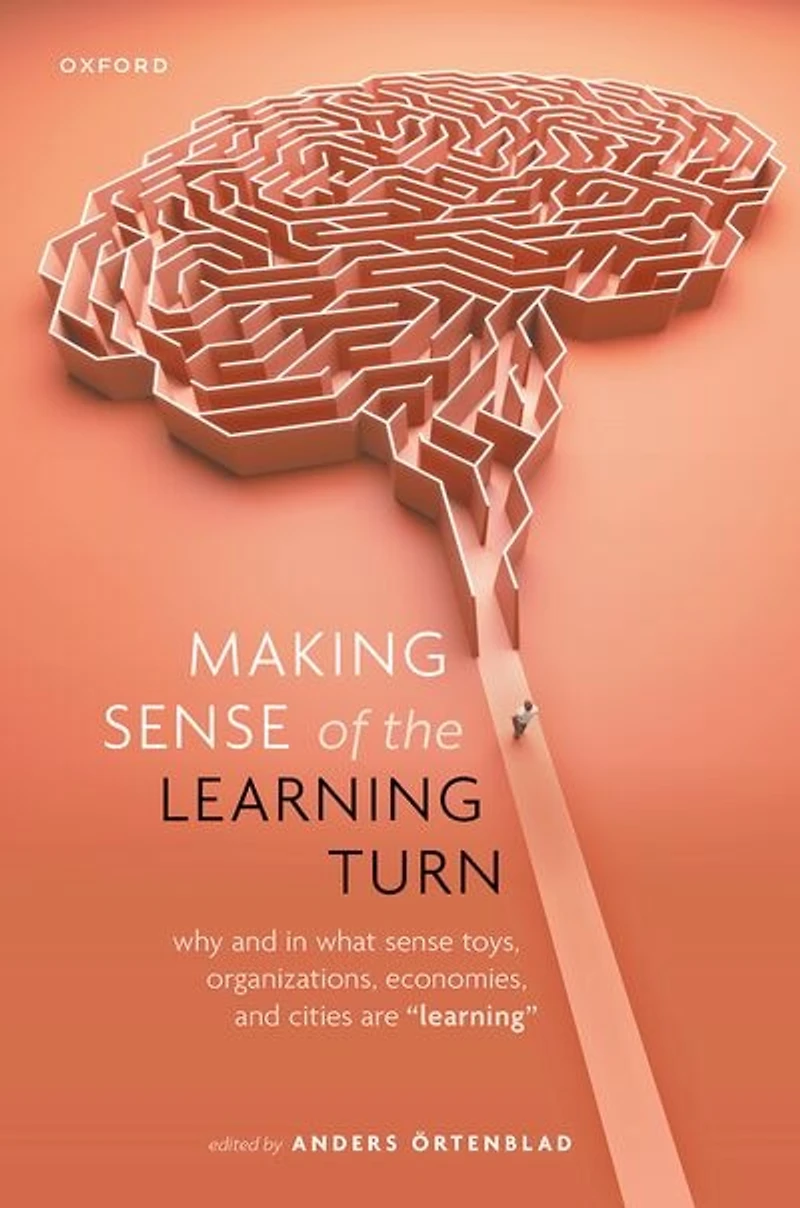
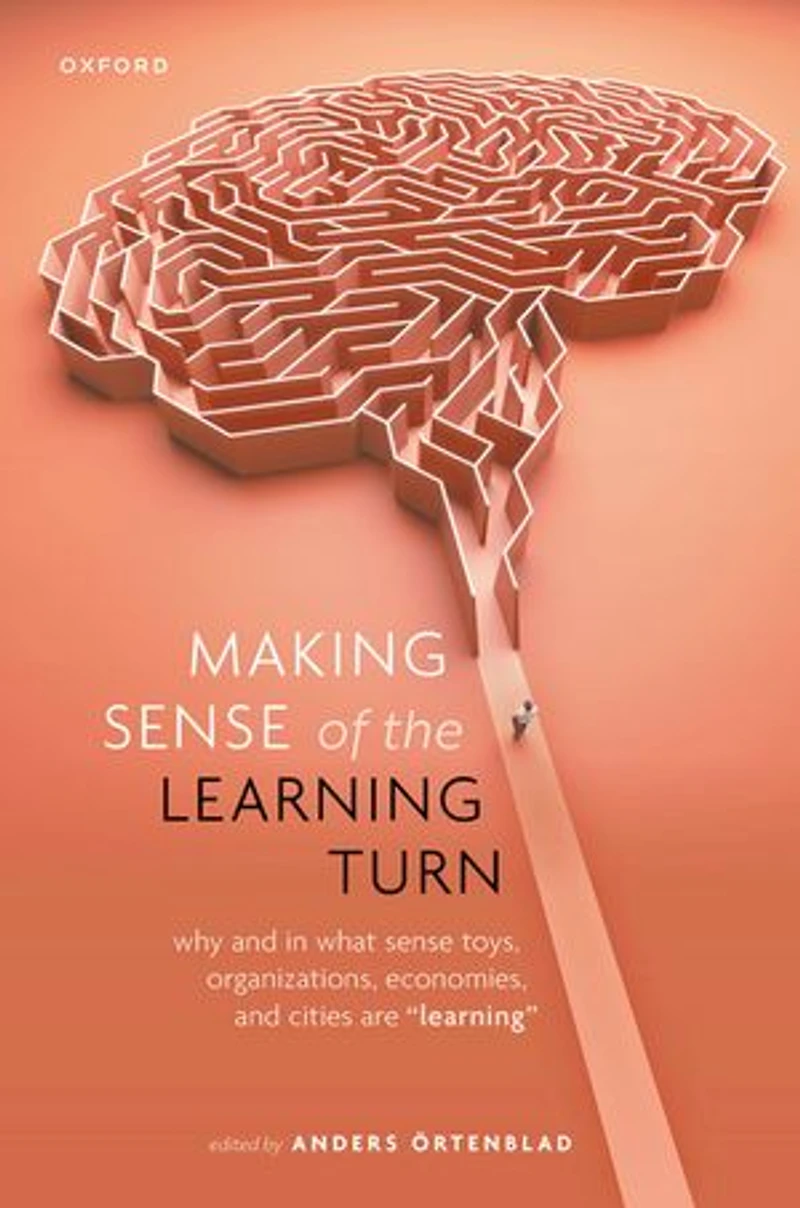
Making Sense of the Learning Turn: Why and What Toys, Organizations, Economies, Cities are "Learning" in Vernon, BC
Current price: $285.00
Coles
Making Sense of the Learning Turn: Why and What Toys, Organizations, Economies, Cities are "Learning" in Vernon, BC
Current price: $285.00
Loading Inventory...
Size: Hardcover
*Product information may vary - to confirm product availability, pricing, shipping and return information please contact Coles
From "learning toy" and "learning society" to "learning city" and "learning organization", what is meant by "learning"? The main focus of this volume is to increase our understanding of the "learning turn" referring, in this book, to the frequent occurrence and usage of terms in the last few decades where the word "learning" is the premodifier. The authors also offer insights into the use of the word "learning" as a premodifier in the future and discuss what, if anything, may replace it, such as "knowledge" (as in "knowledge management") and "smart" (as in "smart city"). An extensive range of academic disciplines are covered including political science, economics, human geography, philosophy, linguistics, higher education, working life science, management and organization, and marketing. While a single, overall, unified conclusion is not provided, Making Sense of the Learning Turn presents a variety of voices and perspectives. Some contributors are critical towards the learning turn, explaining it in terms of fashion-following, manipulation, and seduction. Others interpret the learning turn more lightly or suggest a more collective form of learning as an alternative to the individualization of learning that some authors argue has been the case thus far.
From "learning toy" and "learning society" to "learning city" and "learning organization", what is meant by "learning"? The main focus of this volume is to increase our understanding of the "learning turn" referring, in this book, to the frequent occurrence and usage of terms in the last few decades where the word "learning" is the premodifier. The authors also offer insights into the use of the word "learning" as a premodifier in the future and discuss what, if anything, may replace it, such as "knowledge" (as in "knowledge management") and "smart" (as in "smart city"). An extensive range of academic disciplines are covered including political science, economics, human geography, philosophy, linguistics, higher education, working life science, management and organization, and marketing. While a single, overall, unified conclusion is not provided, Making Sense of the Learning Turn presents a variety of voices and perspectives. Some contributors are critical towards the learning turn, explaining it in terms of fashion-following, manipulation, and seduction. Others interpret the learning turn more lightly or suggest a more collective form of learning as an alternative to the individualization of learning that some authors argue has been the case thus far.










More About Coles at Village Green Shopping Centre
Find everything in-store including new, used and children’s books, music, movies, games and toys. Visit Coles today to find the perfect gift, or a novel for yourself. COVID-19 UPDATE: Open | Regular Centre Hours
Store Info
Find Coles at Village Green Shopping Centre in Vernon, BC
Visit Coles at Village Green Shopping Centre in Vernon, BC