

Choice Made Simple!
Too many options?Click below to purchase an online gift card that can be used at participating retailers in Village Green Shopping Centre and continue your shopping IN CENTRE!Purchase HereHome
Maki Na Kamura: B-du Du: Cat. Cfa Contemporary Fine Arts Berlin
Coles
Loading Inventory...
Maki Na Kamura: B-du Du: Cat. Cfa Contemporary Fine Arts Berlin in Vernon, BC
By None
Current price: $33.95
Coles
Maki Na Kamura: B-du Du: Cat. Cfa Contemporary Fine Arts Berlin in Vernon, BC
By None
Current price: $33.95
Loading Inventory...
Size: Paperback
*Product information may vary - to confirm product availability, pricing, shipping and return information please contact Coles
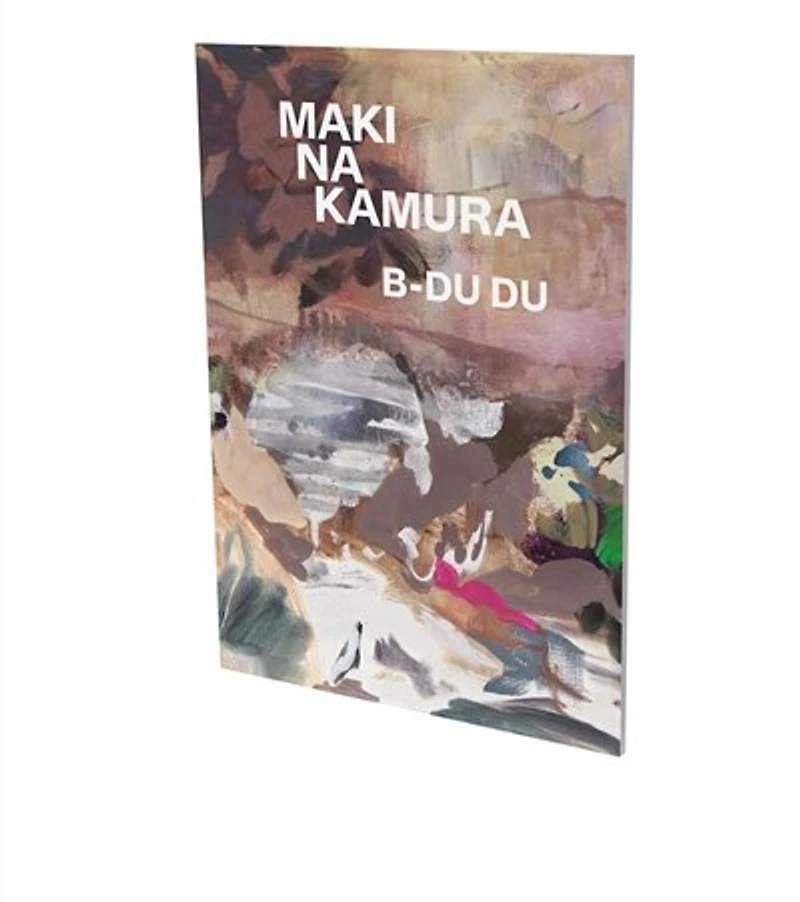
The title, with its meaning to be seen in its meaninglessness, exemplifies Maki Na Kumara’s understanding of, and relationship to, painting. The artist stands for a pictorial language of the maladjusted, the non-literary, when she, for instance, places gestural schemes adopted from the figures of Jean-François Millet’s “The Gleaners” (1857) into an abstract surface. The latest coup is Maki Na Kamura’s turn to the imagery of K-Pop. Thoroughly styled and homogeneous in appearance, the video performances of Korean boy groups, in their hypersynchronous formation dances performed with military drill, function like individual images illustrating an event, comparable to the battle panoramas of the Peking Opera, yet entirely devoid of meaning. At any other time, such observational excerpts and the imagery arising from them would have been termed symbolist, but today these are highly topical “real” poses and attitudes that present individualistic moods of the kind that can only be conveyed through the suggestive power of the individual image.
The title, with its meaning to be seen in its meaninglessness, exemplifies Maki Na Kumara’s understanding of, and relationship to, painting. The artist stands for a pictorial language of the maladjusted, the non-literary, when she, for instance, places gestural schemes adopted from the figures of Jean-François Millet’s “The Gleaners” (1857) into an abstract surface. The latest coup is Maki Na Kamura’s turn to the imagery of K-Pop. Thoroughly styled and homogeneous in appearance, the video performances of Korean boy groups, in their hypersynchronous formation dances performed with military drill, function like individual images illustrating an event, comparable to the battle panoramas of the Peking Opera, yet entirely devoid of meaning. At any other time, such observational excerpts and the imagery arising from them would have been termed symbolist, but today these are highly topical “real” poses and attitudes that present individualistic moods of the kind that can only be conveyed through the suggestive power of the individual image.
You May Also Like








More About Coles at Village Green Shopping Centre
Find everything in-store including new, used and children’s books, music, movies, games and toys. Visit Coles today to find the perfect gift, or a novel for yourself. COVID-19 UPDATE: Open | Regular Centre Hours
Store Info
Find Coles at Village Green Shopping Centre in Vernon, BC
Visit Coles at Village Green Shopping Centre in Vernon, BC