

Choice Made Simple!
Too many options?Click below to purchase an online gift card that can be used at participating retailers in Village Green Shopping Centre and continue your shopping IN CENTRE!Purchase HereHome
Lineage And Community China, 1100-1500: Genealogical Innovation Jiangxi
Coles
Loading Inventory...
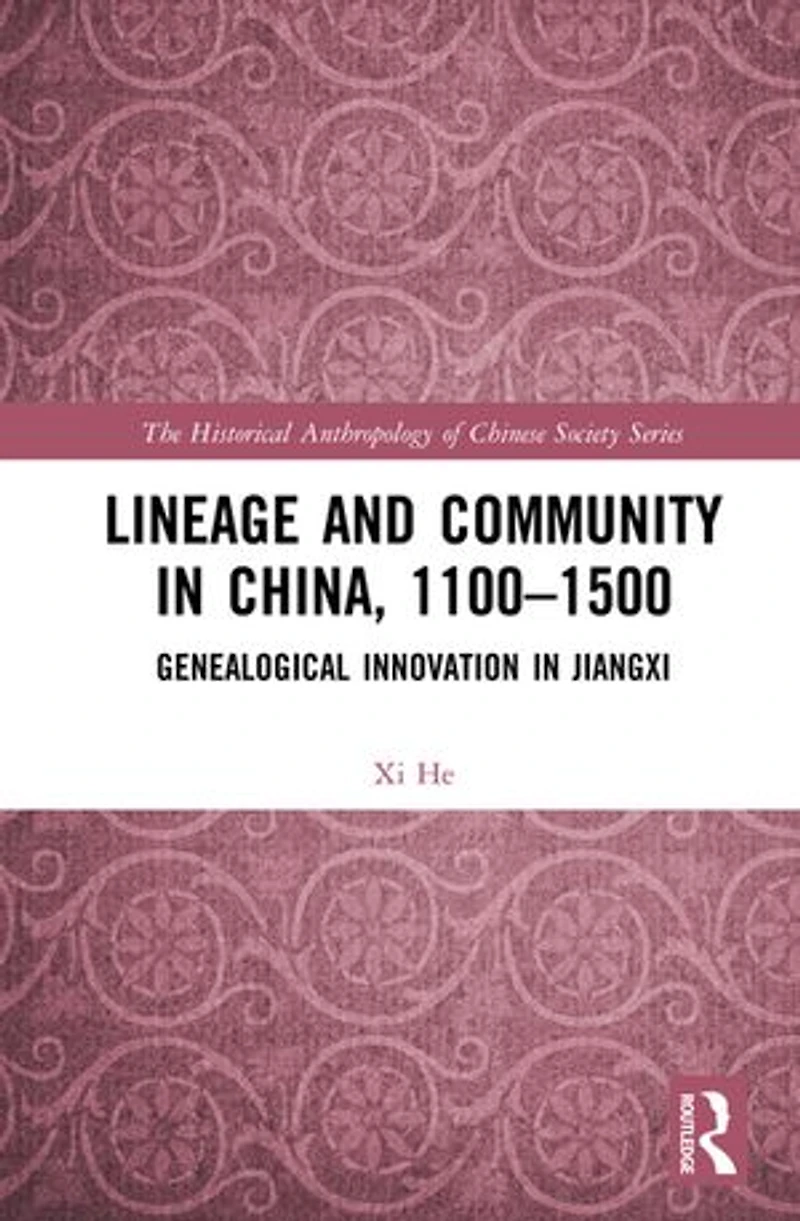
Lineage And Community China, 1100-1500: Genealogical Innovation Jiangxi in Vernon, BC
By None
Current price: $81.42
Coles
Lineage And Community China, 1100-1500: Genealogical Innovation Jiangxi in Vernon, BC
By None
Current price: $81.42
Loading Inventory...
Size: Kobo eBook
*Product information may vary - to confirm product availability, pricing, shipping and return information please contact Coles
Tracing descent from common ancestors was extremely important in imperial China. Members of such lineage communities sacrificed to ancestors in periodic ceremonies, maintained written genealogies to demonstrate their descent, and held some properties in common. This book, based on extensive original research, provides evidence that the practice originated much earlier than previously understood. It shows that in the eleventh century, in southern China under the Song dynasty, the method of compiling a genealogy in the form a table, that is, to say a family tree, replaced its statement as a textual paragraph and that this allowed the tracking of multi-line descent in ways that had previously been impossible. The book also reveals that the practice of recording and presenting genealogical information was not originally unique to communities of common surnames, but that the Southern Song government, keen to encourage loyalty to the state and cohesion within communities, favoured the building of common surname lineages, a practice which then had far-reaching consequences for the nature of Chinese society over a very long period.
Tracing descent from common ancestors was extremely important in imperial China. Members of such lineage communities sacrificed to ancestors in periodic ceremonies, maintained written genealogies to demonstrate their descent, and held some properties in common. This book, based on extensive original research, provides evidence that the practice originated much earlier than previously understood. It shows that in the eleventh century, in southern China under the Song dynasty, the method of compiling a genealogy in the form a table, that is, to say a family tree, replaced its statement as a textual paragraph and that this allowed the tracking of multi-line descent in ways that had previously been impossible. The book also reveals that the practice of recording and presenting genealogical information was not originally unique to communities of common surnames, but that the Southern Song government, keen to encourage loyalty to the state and cohesion within communities, favoured the building of common surname lineages, a practice which then had far-reaching consequences for the nature of Chinese society over a very long period.
You May Also Like










More About Coles at Village Green Shopping Centre
Find everything in-store including new, used and children’s books, music, movies, games and toys. Visit Coles today to find the perfect gift, or a novel for yourself. COVID-19 UPDATE: Open | Regular Centre Hours
Store Info
Find Coles at Village Green Shopping Centre in Vernon, BC
Visit Coles at Village Green Shopping Centre in Vernon, BC