

Choice Made Simple!
Too many options?Click below to purchase an online gift card that can be used at participating retailers in Village Green Shopping Centre and continue your shopping IN CENTRE!Purchase HereHome
Lethal Decisions: The Unnecessary Deaths Of Women And Children From Hiv/aids
Coles
Loading Inventory...
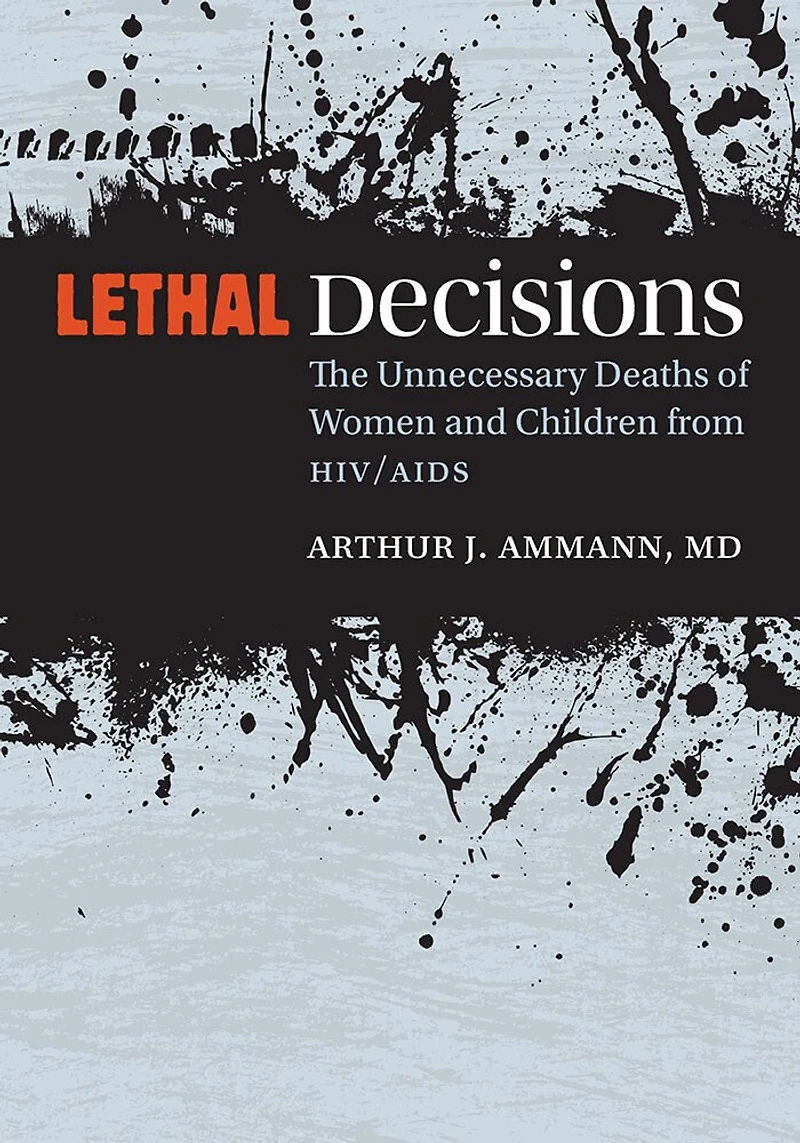
Lethal Decisions: The Unnecessary Deaths Of Women And Children From Hiv/aids in Vernon, BC
Current price: $134.95
Coles
Lethal Decisions: The Unnecessary Deaths Of Women And Children From Hiv/aids in Vernon, BC
Current price: $134.95
Loading Inventory...
Size: Hardcover
*Product information may vary - to confirm product availability, pricing, shipping and return information please contact Coles
This first-person account by one of the pioneers of HIV/AIDS research chronicles the interaction among the pediatric HIV/AIDS community, regulatory bodies, governments, and activists over more than three decades. After the discovery of AIDS in a handful of infants in 1981, the next fifteen years showed remarkable scientific progress in prevention and treatment, although blood banks, drug companies, and bureaucrats were often slow to act. 1996 was a watershed year when scientific and clinical HIV experts called for treating all HIV-infected individuals with potent triple combinations of antiretroviral drugs that had been proven effective. Aggressive implementation of prevention and treatment in the United States led to marked declines in the number of HIV-related deaths, fewer new infections and hospital visits, and fewer than one hundred infants born infected each year.
Inexplicably, the World Health Organization recommended withholding treatment for the majority of HIV-infected individuals in poor countries, and clinical researchers embarked on studies to evaluate inferior treatment approaches even while the pandemic continued to claim the lives of millions of women and children. Why did it take an additional twenty years for international health organizations to recommend the treatment and prevention measures that had had such a profound impact on the pandemic in wealthy countries? The surprising answers are likely to be debated by medical historians and ethicists.
At last, in 2015, came a universal call for treating all HIV-infected individuals with triple-combination antiretroviral drugs. But this can only be accomplished if the mistakes of the past are rectified. The book ends with recommendations on how the pediatric HIV/AIDS epidemic can finally be brought to an end.
This first-person account by one of the pioneers of HIV/AIDS research chronicles the interaction among the pediatric HIV/AIDS community, regulatory bodies, governments, and activists over more than three decades. After the discovery of AIDS in a handful of infants in 1981, the next fifteen years showed remarkable scientific progress in prevention and treatment, although blood banks, drug companies, and bureaucrats were often slow to act. 1996 was a watershed year when scientific and clinical HIV experts called for treating all HIV-infected individuals with potent triple combinations of antiretroviral drugs that had been proven effective. Aggressive implementation of prevention and treatment in the United States led to marked declines in the number of HIV-related deaths, fewer new infections and hospital visits, and fewer than one hundred infants born infected each year.
Inexplicably, the World Health Organization recommended withholding treatment for the majority of HIV-infected individuals in poor countries, and clinical researchers embarked on studies to evaluate inferior treatment approaches even while the pandemic continued to claim the lives of millions of women and children. Why did it take an additional twenty years for international health organizations to recommend the treatment and prevention measures that had had such a profound impact on the pandemic in wealthy countries? The surprising answers are likely to be debated by medical historians and ethicists.
At last, in 2015, came a universal call for treating all HIV-infected individuals with triple-combination antiretroviral drugs. But this can only be accomplished if the mistakes of the past are rectified. The book ends with recommendations on how the pediatric HIV/AIDS epidemic can finally be brought to an end.
You May Also Like












More About Coles at Village Green Shopping Centre
Find everything in-store including new, used and children’s books, music, movies, games and toys. Visit Coles today to find the perfect gift, or a novel for yourself. COVID-19 UPDATE: Open | Regular Centre Hours
Store Info
Find Coles at Village Green Shopping Centre in Vernon, BC
Visit Coles at Village Green Shopping Centre in Vernon, BC