

Choice Made Simple!
Too many options?Click below to purchase an online gift card that can be used at participating retailers in Village Green Shopping Centre and continue your shopping IN CENTRE!Purchase HereHome
Indigenous Legalities, Pipeline Viscosities: Colonial Extractivism and Wet’suwet’en Resistance
Coles
Loading Inventory...
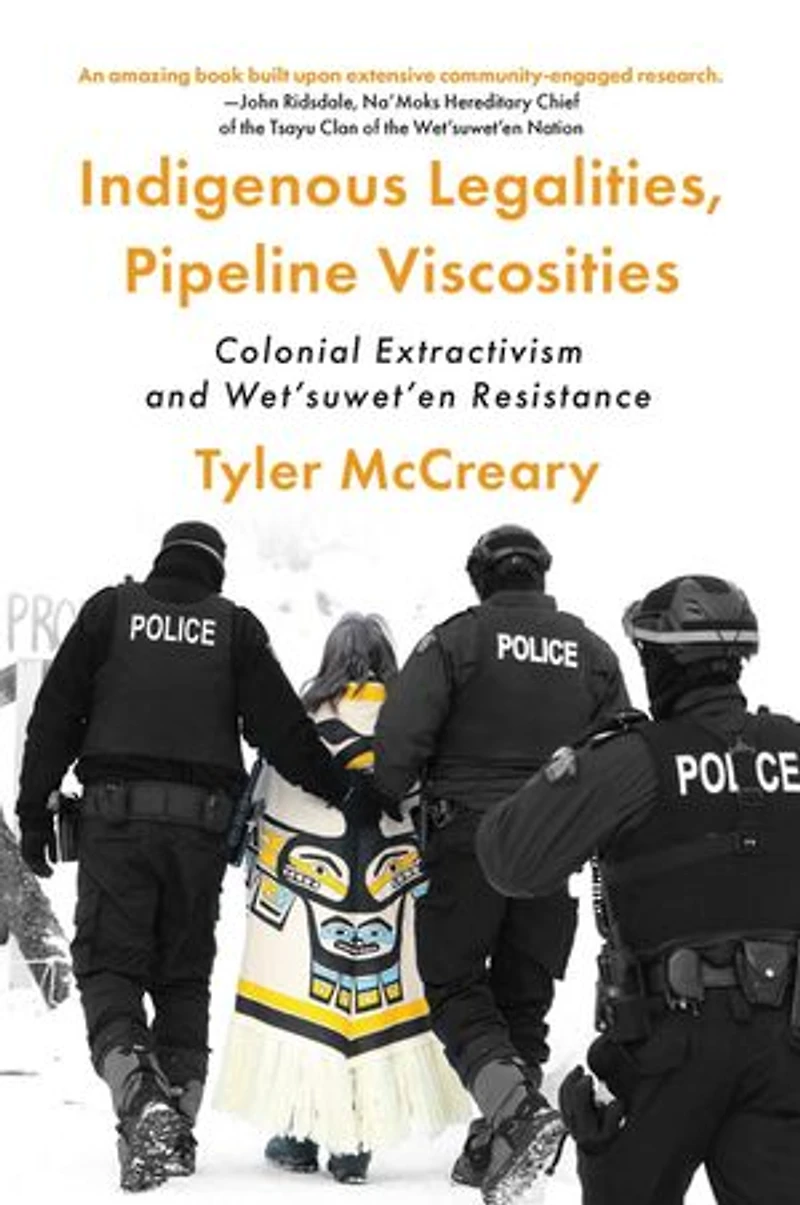
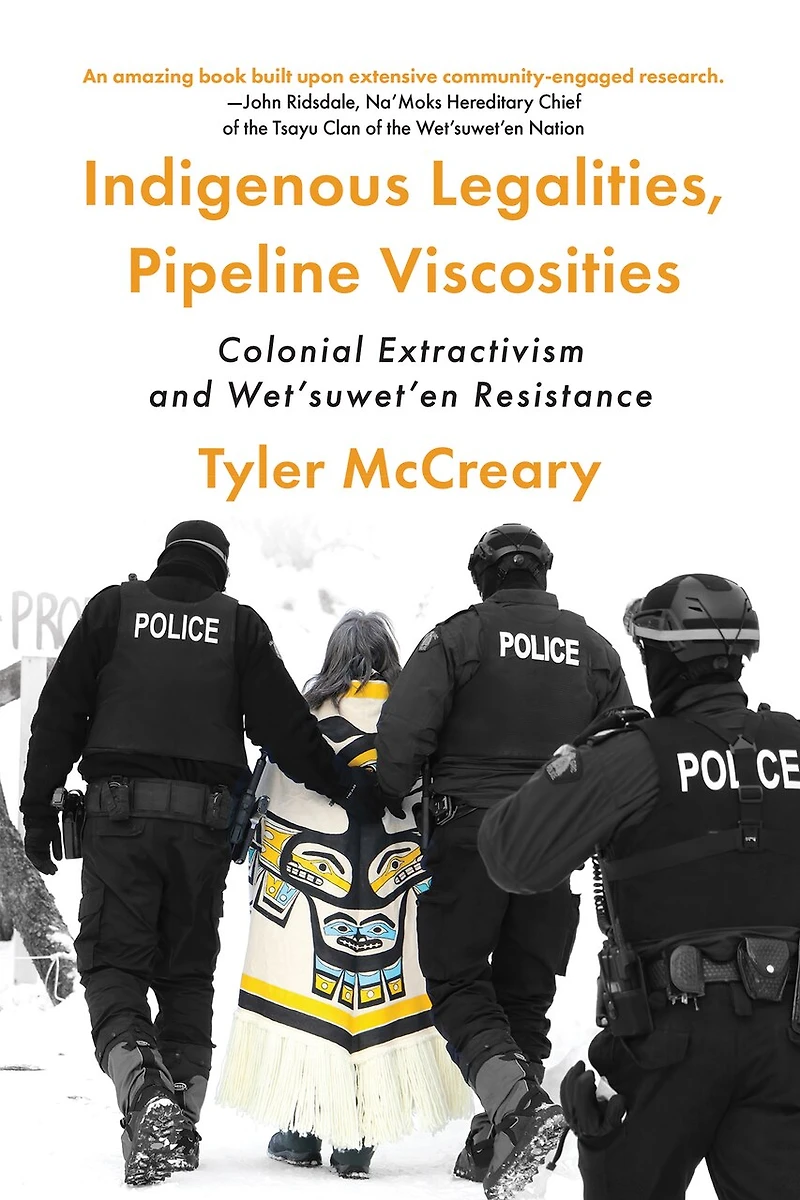
Indigenous Legalities, Pipeline Viscosities: Colonial Extractivism and Wet’suwet’en Resistance in Vernon, BC
By None
Current price: $29.59
Original price: $36.99
Coles
Indigenous Legalities, Pipeline Viscosities: Colonial Extractivism and Wet’suwet’en Resistance in Vernon, BC
By None
Current price: $29.59
Original price: $36.99
Loading Inventory...
Size: Kobo eBook
*Product information may vary - to confirm product availability, pricing, shipping and return information please contact Coles
Indigenous Legalities, Pipeline Viscosities examines the relationship between the Wet’suwet’en and hydrocarbon pipeline development, showing how colonial governments and corporations seek to control Indigenous claims and how the Wet'suwet'en resist. Tyler McCreary explores pipeline regulatory review processes, reviews attempts to reconcile Indigeneity with development, and asks fundamental questions about territory and jurisdiction. In the process, he offers historical context for the continuing influences of colonialism on Indigenous peoples. Throughout, McCreary demonstrates how the cyclical movements between resistance and reconciliation are affected by the unequal relations between Indigenous peoples, colonial governments, and development operations. This sophisticated analysis invites readers to consider the complex realities of Indigenous and Wet’suwet’en law, as well as the politics of pipeline development.
Indigenous Legalities, Pipeline Viscosities examines the relationship between the Wet’suwet’en and hydrocarbon pipeline development, showing how colonial governments and corporations seek to control Indigenous claims and how the Wet'suwet'en resist. Tyler McCreary explores pipeline regulatory review processes, reviews attempts to reconcile Indigeneity with development, and asks fundamental questions about territory and jurisdiction. In the process, he offers historical context for the continuing influences of colonialism on Indigenous peoples. Throughout, McCreary demonstrates how the cyclical movements between resistance and reconciliation are affected by the unequal relations between Indigenous peoples, colonial governments, and development operations. This sophisticated analysis invites readers to consider the complex realities of Indigenous and Wet’suwet’en law, as well as the politics of pipeline development.
You May Also Like







More About Coles at Village Green Shopping Centre
Find everything in-store including new, used and children’s books, music, movies, games and toys. Visit Coles today to find the perfect gift, or a novel for yourself. COVID-19 UPDATE: Open | Regular Centre Hours
Store Info
Find Coles at Village Green Shopping Centre in Vernon, BC
Visit Coles at Village Green Shopping Centre in Vernon, BC