

Choice Made Simple!
Too many options?Click below to purchase an online gift card that can be used at participating retailers in Village Green Shopping Centre and continue your shopping IN CENTRE!Purchase HereHome
Handbook of Trait-Based Ecology: From Theory to R Tools
Coles
Loading Inventory...
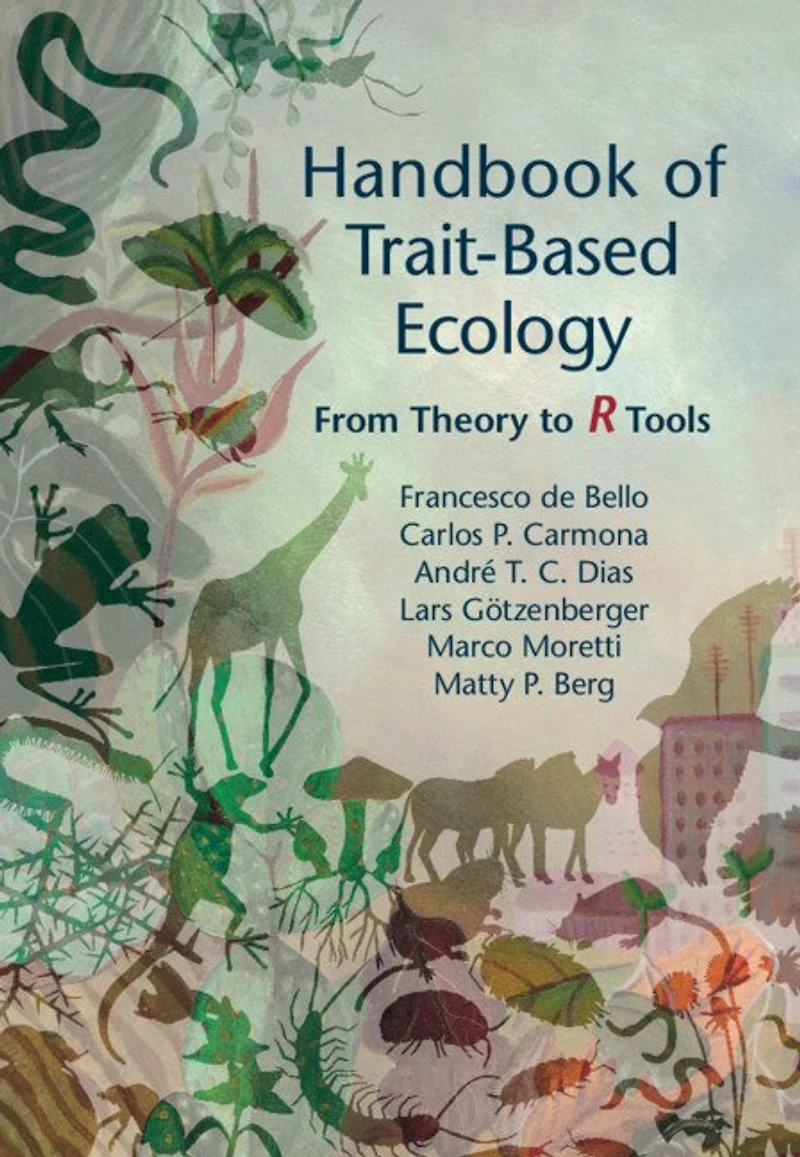
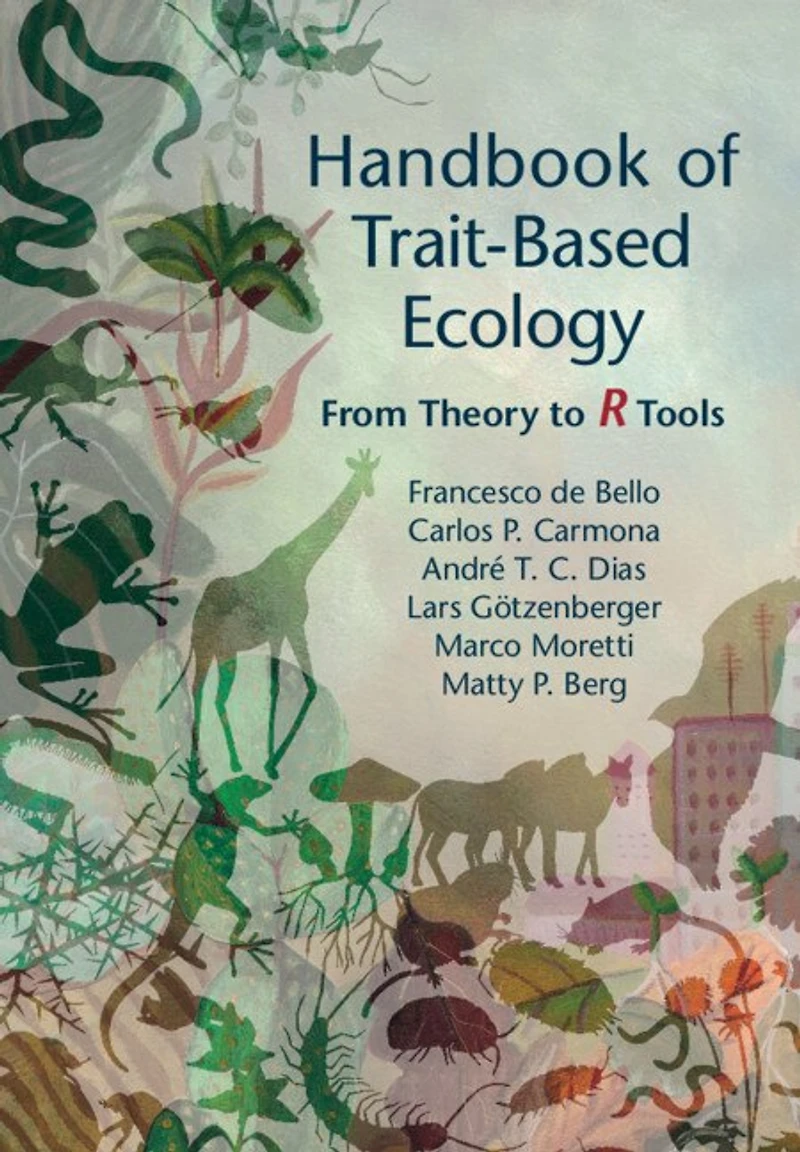
Handbook of Trait-Based Ecology: From Theory to R Tools in Vernon, BC
Current price: $135.95
Coles
Handbook of Trait-Based Ecology: From Theory to R Tools in Vernon, BC
Current price: $135.95
Loading Inventory...
Size: Hardcover
*Product information may vary - to confirm product availability, pricing, shipping and return information please contact Coles
Functional ecology is the branch of ecology that focuses on various functions that species play in the community or ecosystem in which they occur. This accessible guide offers the main concepts and tools in trait-based ecology, and their tricks, covering different trophic levels and organism types. It is designed for students, researchers and practitioners who wish to get a handy synthesis of existing concepts, tools and trends in trait-based ecology, and wish to apply it to their own field of interest. Where relevant, exercises specifically designed to be run in R are included, along with accompanying on-line resources including solutions for exercises and R functions, and updates reflecting current developments in this fast-changing field. Based on more than a decade of teaching experience, the authors developed and improved the way theoretical aspects and analytical tools of trait-based ecology are introduced and explained to readers.
Functional ecology is the branch of ecology that focuses on various functions that species play in the community or ecosystem in which they occur. This accessible guide offers the main concepts and tools in trait-based ecology, and their tricks, covering different trophic levels and organism types. It is designed for students, researchers and practitioners who wish to get a handy synthesis of existing concepts, tools and trends in trait-based ecology, and wish to apply it to their own field of interest. Where relevant, exercises specifically designed to be run in R are included, along with accompanying on-line resources including solutions for exercises and R functions, and updates reflecting current developments in this fast-changing field. Based on more than a decade of teaching experience, the authors developed and improved the way theoretical aspects and analytical tools of trait-based ecology are introduced and explained to readers.
You May Also Like









More About Coles at Village Green Shopping Centre
Find everything in-store including new, used and children’s books, music, movies, games and toys. Visit Coles today to find the perfect gift, or a novel for yourself. COVID-19 UPDATE: Open | Regular Centre Hours
Store Info
Find Coles at Village Green Shopping Centre in Vernon, BC
Visit Coles at Village Green Shopping Centre in Vernon, BC