

Choice Made Simple!
Too many options?Click below to purchase an online gift card that can be used at participating retailers in Village Green Shopping Centre and continue your shopping IN CENTRE!Purchase HereHome
Good Money: Birmingham Button Makers, the Royal Mint, and the Beginnings of Modern Coinage, 1775–1821
Coles
Loading Inventory...
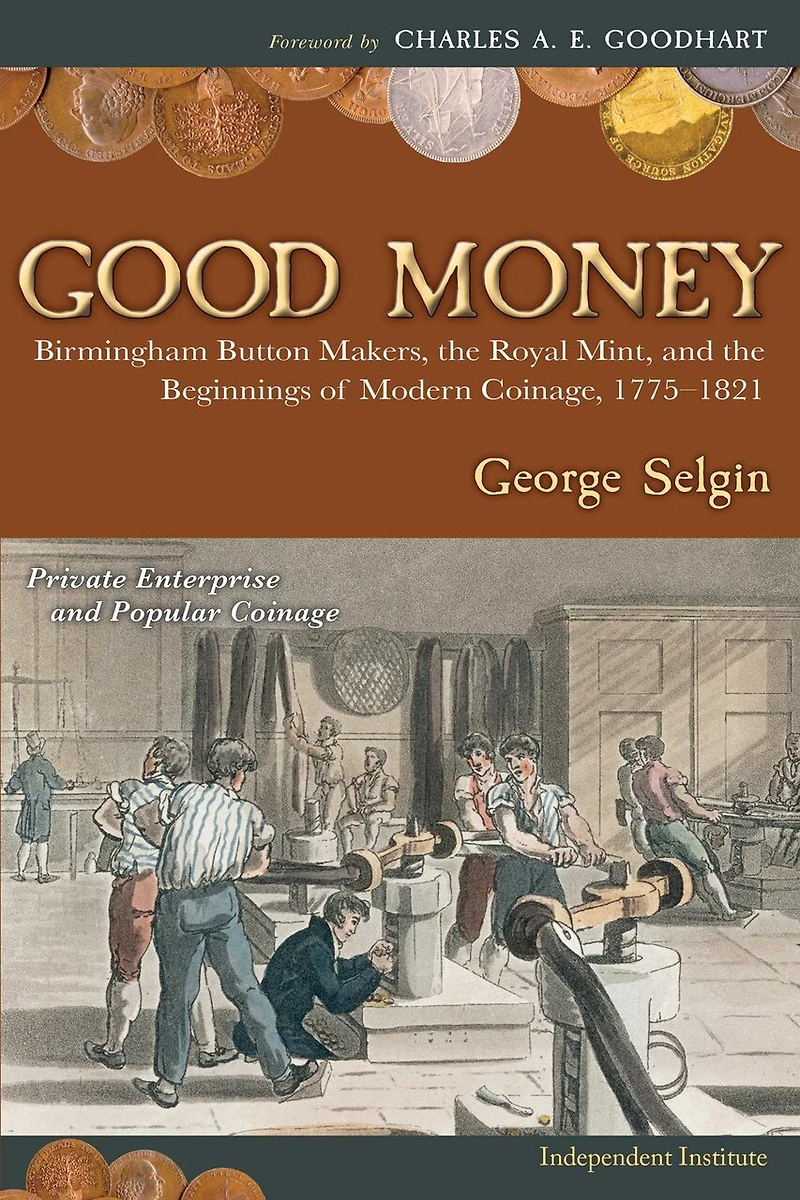
Good Money: Birmingham Button Makers, the Royal Mint, and the Beginnings of Modern Coinage, 1775–1821 in Vernon, BC
Current price: $28.95
Coles
Good Money: Birmingham Button Makers, the Royal Mint, and the Beginnings of Modern Coinage, 1775–1821 in Vernon, BC
Current price: $28.95
Loading Inventory...
Size: Paperback
*Product information may vary - to confirm product availability, pricing, shipping and return information please contact Coles
A fascinating story of the important yet virtually unknown episode in the history of money, this history chronicles the British manufacturers’ challenge to the Crown’s monopoly on coinage. In the 1780s, when the Industrial Revolution was gathering momentum, the Royal Mint failed to produce enough small-denomination coinage for factory owners to pay their workers. As the currency shortage threatened to derail industrial progress, manufacturers began to mint custom-made coins, called “tradesman’s tokens,” which served as the nation’s most popular currency for wages and retail sales until 1821, when the Crown outlawed all moneys except its own. This book not only examines the crucial role of private coinage in fueling Great Britain’s Industrial Revolution, but also sheds light on contemporary private-sector alternatives to government-issued money, such as digital monies, cash cards, electronic funds transfer, and—outside of the United States—spontaneous “dollarization.”
A fascinating story of the important yet virtually unknown episode in the history of money, this history chronicles the British manufacturers’ challenge to the Crown’s monopoly on coinage. In the 1780s, when the Industrial Revolution was gathering momentum, the Royal Mint failed to produce enough small-denomination coinage for factory owners to pay their workers. As the currency shortage threatened to derail industrial progress, manufacturers began to mint custom-made coins, called “tradesman’s tokens,” which served as the nation’s most popular currency for wages and retail sales until 1821, when the Crown outlawed all moneys except its own. This book not only examines the crucial role of private coinage in fueling Great Britain’s Industrial Revolution, but also sheds light on contemporary private-sector alternatives to government-issued money, such as digital monies, cash cards, electronic funds transfer, and—outside of the United States—spontaneous “dollarization.”
You May Also Like












More About Coles at Village Green Shopping Centre
Find everything in-store including new, used and children’s books, music, movies, games and toys. Visit Coles today to find the perfect gift, or a novel for yourself. COVID-19 UPDATE: Open | Regular Centre Hours
Store Info
Find Coles at Village Green Shopping Centre in Vernon, BC
Visit Coles at Village Green Shopping Centre in Vernon, BC