

Choice Made Simple!
Too many options?Click below to purchase an online gift card that can be used at participating retailers in Village Green Shopping Centre and continue your shopping IN CENTRE!Purchase HereHome
Global Food: Scarcity to Sustainability
Coles
Loading Inventory...
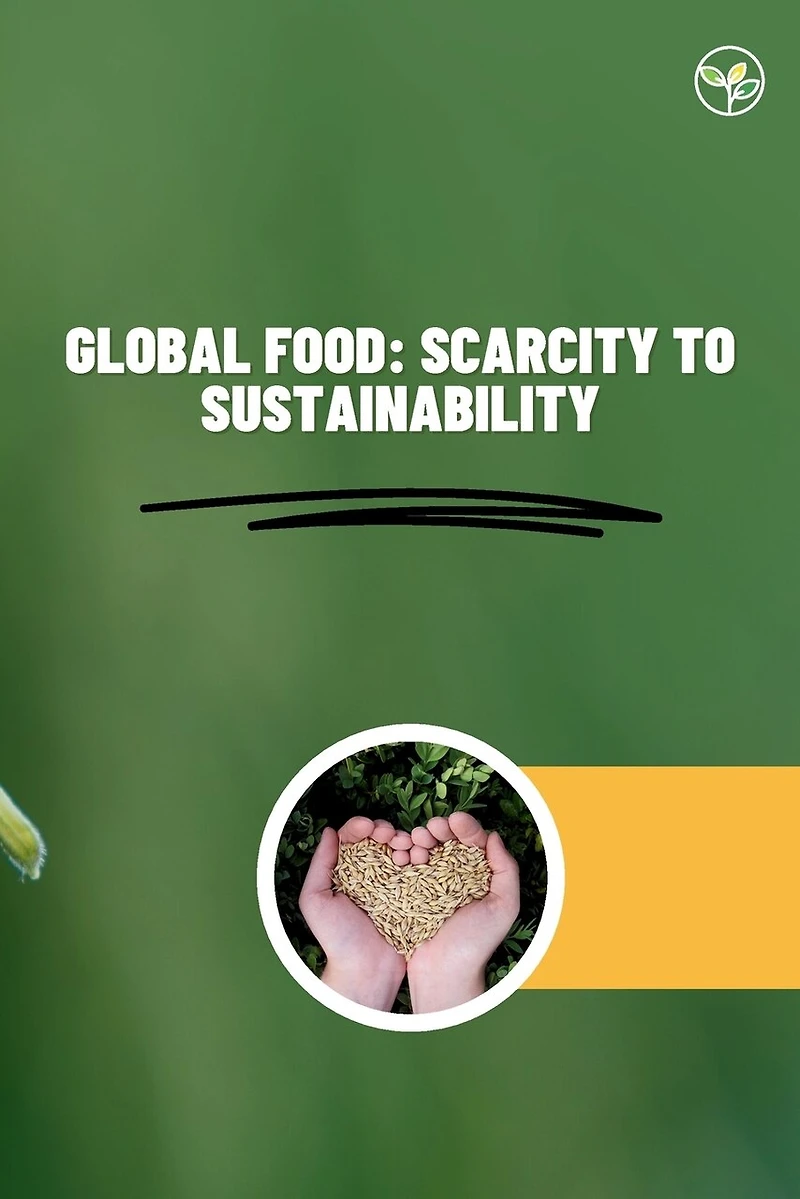
Global Food: Scarcity to Sustainability in Vernon, BC
Current price: $48.99
Coles
Global Food: Scarcity to Sustainability in Vernon, BC
Current price: $48.99
Loading Inventory...
Size: Paperback
*Product information may vary - to confirm product availability, pricing, shipping and return information please contact Coles
In 2009, a new phrase was added to sustainability terminology; "Planetary Boundaries", which defined the safe operating space for humanity concerning the earth's system and are associated with the planet's biophysical subsystems or processes (Rockström et al., 2009; Crompton et al., 2012). Then in 2012, the idea of combining planetary boundaries as the upper threshold (environmental ceiling) with social boundaries as the lower threshold (social foundation) gained popularity. Setting these boundaries on the two ends, led to the emergence of an optimum space between well-being and environmental destruction which is capable of supporting inclusive and sustainable economic development. The result of this framework is a doughnut-shaped area of safe and just operating space for humanity (Raworth, n.d.). This area can be interpreted as sustainable because it is addressing 3 major pillars of sustainability: environment, society, and economy. Food systems have been designed as a stable foundation for meeting people's nutritional needs. Previously, food system optimizations were primarily focused on increasing crop yield production and supply chain efficiency to feed the world's rising population. Once the health and environmental implications of the food system were emphasized, psychological and social dimensions became significant (Niles et al., 2018a). The lower threshold, in the context of the doughnut framework applied to our global food system, can be described as providing the nutritional needs of populations in terms of the quality and quantity of food in order to preserve their physical and mental health. The upper limit, on the other hand, is linked to the negative environmental impacts of our existing food system (Raworth, n.d.). The ideal state is to keep all our systems, including the food system, operating inside the doughnut zone, however, to achieve this goal, there exist some major challenges.
In 2009, a new phrase was added to sustainability terminology; "Planetary Boundaries", which defined the safe operating space for humanity concerning the earth's system and are associated with the planet's biophysical subsystems or processes (Rockström et al., 2009; Crompton et al., 2012). Then in 2012, the idea of combining planetary boundaries as the upper threshold (environmental ceiling) with social boundaries as the lower threshold (social foundation) gained popularity. Setting these boundaries on the two ends, led to the emergence of an optimum space between well-being and environmental destruction which is capable of supporting inclusive and sustainable economic development. The result of this framework is a doughnut-shaped area of safe and just operating space for humanity (Raworth, n.d.). This area can be interpreted as sustainable because it is addressing 3 major pillars of sustainability: environment, society, and economy. Food systems have been designed as a stable foundation for meeting people's nutritional needs. Previously, food system optimizations were primarily focused on increasing crop yield production and supply chain efficiency to feed the world's rising population. Once the health and environmental implications of the food system were emphasized, psychological and social dimensions became significant (Niles et al., 2018a). The lower threshold, in the context of the doughnut framework applied to our global food system, can be described as providing the nutritional needs of populations in terms of the quality and quantity of food in order to preserve their physical and mental health. The upper limit, on the other hand, is linked to the negative environmental impacts of our existing food system (Raworth, n.d.). The ideal state is to keep all our systems, including the food system, operating inside the doughnut zone, however, to achieve this goal, there exist some major challenges.
You May Also Like








More About Coles at Village Green Shopping Centre
Find everything in-store including new, used and children’s books, music, movies, games and toys. Visit Coles today to find the perfect gift, or a novel for yourself. COVID-19 UPDATE: Open | Regular Centre Hours
Store Info
Find Coles at Village Green Shopping Centre in Vernon, BC
Visit Coles at Village Green Shopping Centre in Vernon, BC