

Choice Made Simple!
Too many options?Click below to purchase an online gift card that can be used at participating retailers in Village Green Shopping Centre and continue your shopping IN CENTRE!Purchase HereHome
Geomechanical Controls on Fracture Development in Chalk and Marl in the Danish North Sea: Understanding and Predicting Fracture Systems
Coles
Loading Inventory...
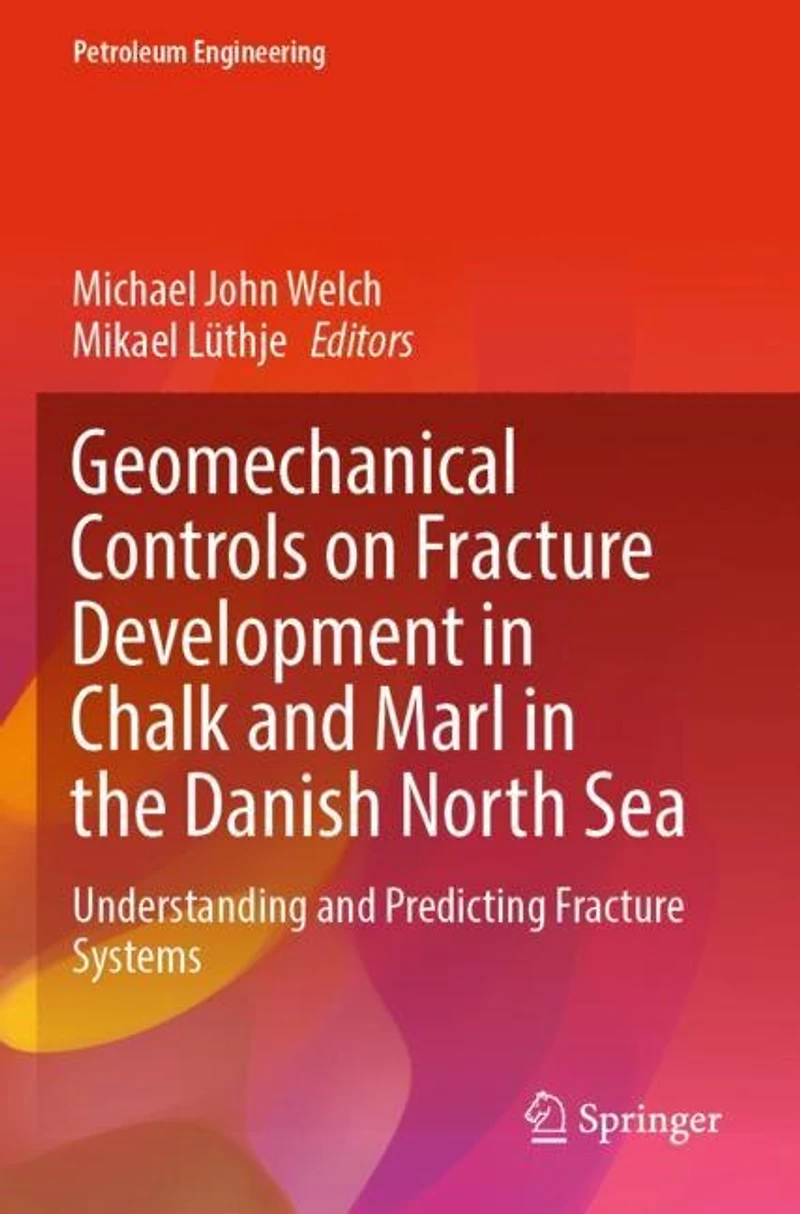
Geomechanical Controls on Fracture Development in Chalk and Marl in the Danish North Sea: Understanding and Predicting Fracture Systems in Vernon, BC
Current price: $160.95
Coles
Geomechanical Controls on Fracture Development in Chalk and Marl in the Danish North Sea: Understanding and Predicting Fracture Systems in Vernon, BC
Current price: $160.95
Loading Inventory...
Size: Paperback
*Product information may vary - to confirm product availability, pricing, shipping and return information please contact Coles
This book summarizes new discoveries on fracturing in chalk. Based on studies on the Danish North Sea, this book shows how observations from outcrop analogues, core and seismic data can be used to characterize the density, distribution and geometry of natural fractures in chalk and marl. Laboratory experiments on chalk samples reveal the controls on the geomechanical properties of chalk and thus on the growth of natural fractures. Finally, various modeling techniques are employed to investigate the mechanical deformation in the chalk structures of the Danish North Sea and to predict fracture distribution and geometry in the subsurface. An understanding of fracture density, distribution and geometry is essential for planning efficient fluid extraction or injection strategies and CO 2 sequestration. This book provides the necessary knowledge.
This book summarizes new discoveries on fracturing in chalk. Based on studies on the Danish North Sea, this book shows how observations from outcrop analogues, core and seismic data can be used to characterize the density, distribution and geometry of natural fractures in chalk and marl. Laboratory experiments on chalk samples reveal the controls on the geomechanical properties of chalk and thus on the growth of natural fractures. Finally, various modeling techniques are employed to investigate the mechanical deformation in the chalk structures of the Danish North Sea and to predict fracture distribution and geometry in the subsurface. An understanding of fracture density, distribution and geometry is essential for planning efficient fluid extraction or injection strategies and CO 2 sequestration. This book provides the necessary knowledge.
You May Also Like












More About Coles at Village Green Shopping Centre
Find everything in-store including new, used and children’s books, music, movies, games and toys. Visit Coles today to find the perfect gift, or a novel for yourself. COVID-19 UPDATE: Open | Regular Centre Hours
Store Info
Find Coles at Village Green Shopping Centre in Vernon, BC
Visit Coles at Village Green Shopping Centre in Vernon, BC