

Choice Made Simple!
Too many options?Click below to purchase an online gift card that can be used at participating retailers in Village Green Shopping Centre and continue your shopping IN CENTRE!Purchase HereHome
Extradition and Empire: Sovereignty and Subjecthood in Hong Kong
Coles
Loading Inventory...
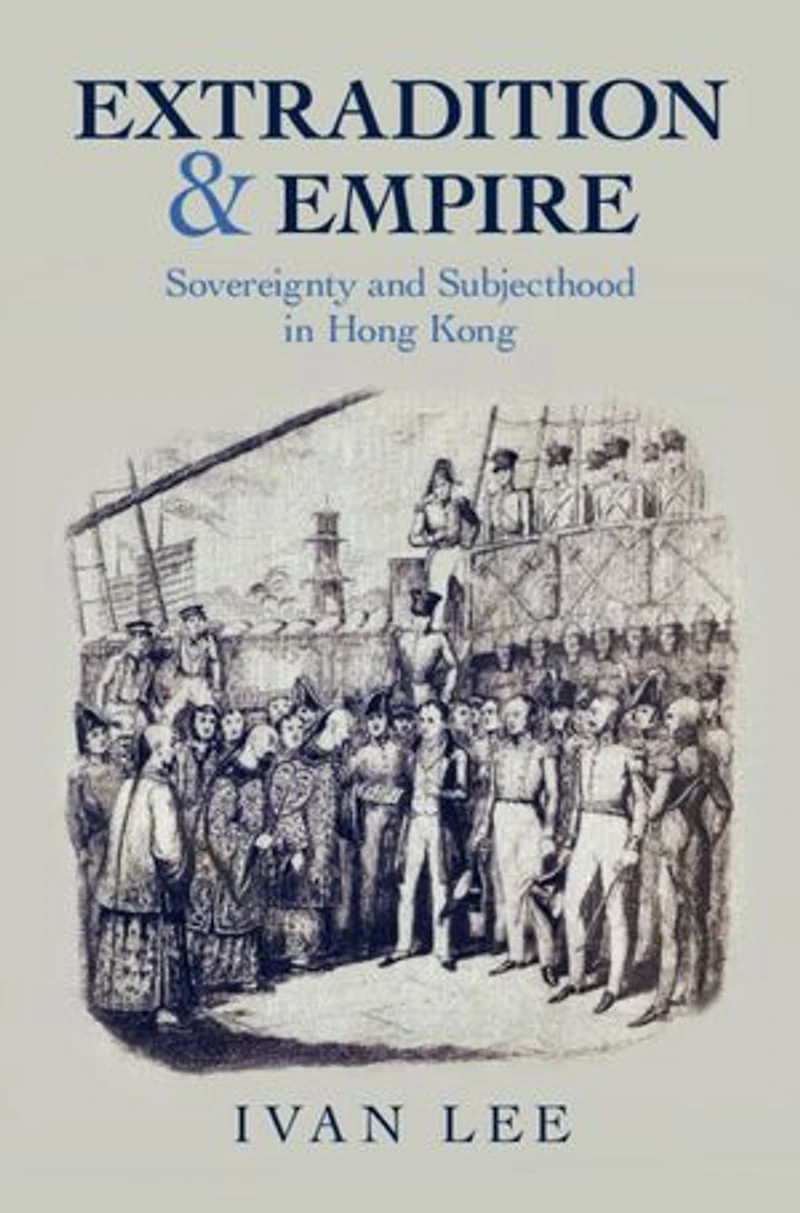
Extradition and Empire: Sovereignty and Subjecthood in Hong Kong in Vernon, BC
By None
Current price: $128.79
Original price: $160.95
Coles
Extradition and Empire: Sovereignty and Subjecthood in Hong Kong in Vernon, BC
By None
Current price: $128.79
Original price: $160.95
Loading Inventory...
Size: Kobo eBook
*Product information may vary - to confirm product availability, pricing, shipping and return information please contact Coles
In the first book-length study of the imperial history of extradition in Hong Kong, Ivan Lee shows how British judges, lawyers, and officials navigated the nature of extradition, debated its legalities, and distinguished it over time from other modalities of criminal jurisdiction – including deportation, rendition, and trial and punishment under territorial and extraterritorial laws. These complex debates were rooted in the contested legal status of Chinese subjects under the Opium War treaties of 1842–43. They also intersected wider shifts and tensions in British ideas of territorial sovereignty, criminal justice and procedure, and the legal rights and liabilities of British subjects and alien persons in British territory. By the 1870s, a new area of imperial law emerged as Britain incorporated a frontier colony into an increasingly territorial and legally homogenous empire. This important perspective revises our understanding of the legal origins of colonial Hong Kong and British imperialism in China.
In the first book-length study of the imperial history of extradition in Hong Kong, Ivan Lee shows how British judges, lawyers, and officials navigated the nature of extradition, debated its legalities, and distinguished it over time from other modalities of criminal jurisdiction – including deportation, rendition, and trial and punishment under territorial and extraterritorial laws. These complex debates were rooted in the contested legal status of Chinese subjects under the Opium War treaties of 1842–43. They also intersected wider shifts and tensions in British ideas of territorial sovereignty, criminal justice and procedure, and the legal rights and liabilities of British subjects and alien persons in British territory. By the 1870s, a new area of imperial law emerged as Britain incorporated a frontier colony into an increasingly territorial and legally homogenous empire. This important perspective revises our understanding of the legal origins of colonial Hong Kong and British imperialism in China.
You May Also Like








More About Coles at Village Green Shopping Centre
Find everything in-store including new, used and children’s books, music, movies, games and toys. Visit Coles today to find the perfect gift, or a novel for yourself. COVID-19 UPDATE: Open | Regular Centre Hours
Store Info
Find Coles at Village Green Shopping Centre in Vernon, BC
Visit Coles at Village Green Shopping Centre in Vernon, BC