

Choice Made Simple!
Too many options?Click below to purchase an online gift card that can be used at participating retailers in Village Green Shopping Centre and continue your shopping IN CENTRE!Purchase HereHome
Dramatic Spaces: Scenography And Spectatorial Perceptions
Coles
Loading Inventory...
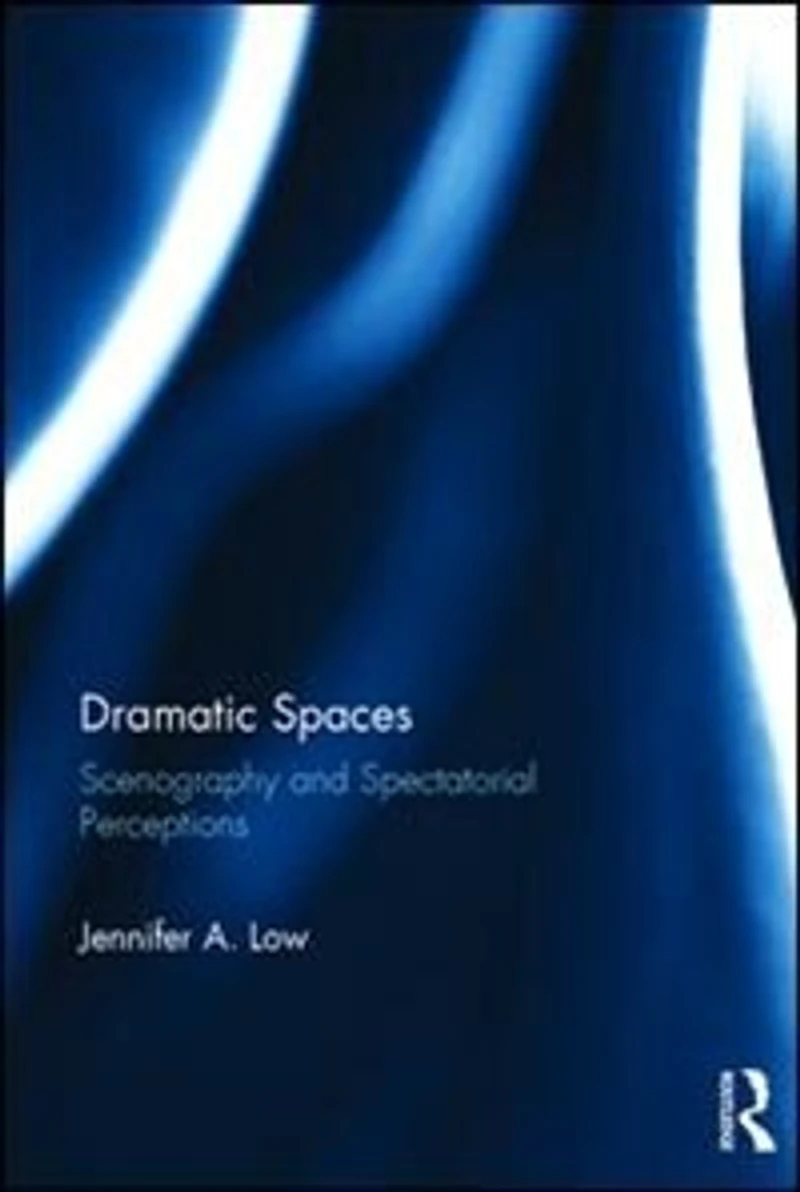
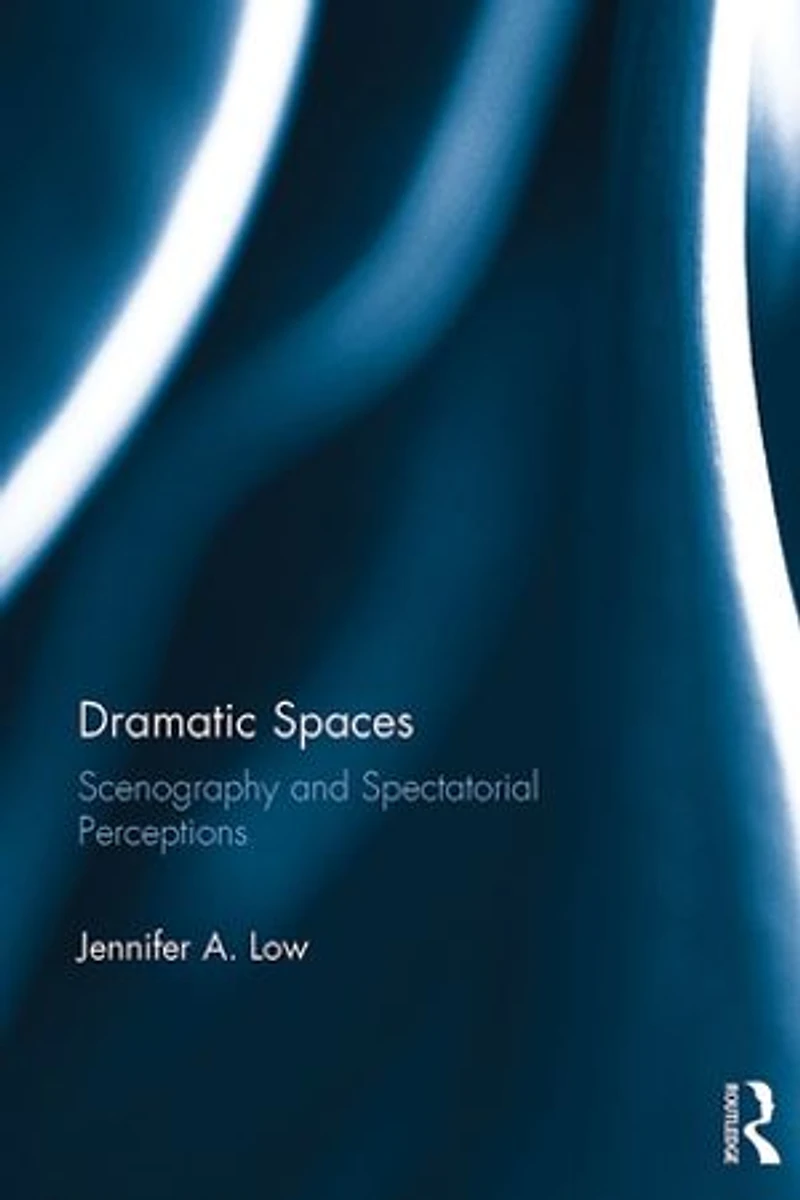
Dramatic Spaces: Scenography And Spectatorial Perceptions in Vernon, BC
By None
Current price: $333.50
Coles
Dramatic Spaces: Scenography And Spectatorial Perceptions in Vernon, BC
By None
Current price: $333.50
Loading Inventory...
Size: Hardcover
*Product information may vary - to confirm product availability, pricing, shipping and return information please contact Coles
For literary scholars, plays are texts; for scenographers, plays are performances. Yet clearly a drama is both text and performance. Dramatic Spaces examines period-specific stage spaces in order to assess how design shaped the thematic and experiential dimensions of plays. This book highlights the stakes of the debate about spatiality and the role of the spectator in the auditorium - if audience members are co-creators of the drama, how do they contribute? The book investigates:
Roman comedy and Shakespearean dramas in which the stage-space itself constituted the primary scenographic element and actors' bodies shaped the playing space more than did sets or props
the use of paid applauders in nineteenth-century Parisian theaters and how this practice reconfigured theatrical space
transactions between stage designers and spectators, including work by László Moholy-Nagy, William Ritman, and Eiko Ishioka
Dramatic Spaces aims to do for stage design what reader-response criticism has done for the literary text, with specific case studies on Coriolanus , The Comedy of Errors , Romeo and Juliet , Tales of Hoffman , M. Butterfly and Tiny Alice exploring the audience's contribution to the construction of meaning.
For literary scholars, plays are texts; for scenographers, plays are performances. Yet clearly a drama is both text and performance. Dramatic Spaces examines period-specific stage spaces in order to assess how design shaped the thematic and experiential dimensions of plays. This book highlights the stakes of the debate about spatiality and the role of the spectator in the auditorium - if audience members are co-creators of the drama, how do they contribute? The book investigates:
Roman comedy and Shakespearean dramas in which the stage-space itself constituted the primary scenographic element and actors' bodies shaped the playing space more than did sets or props
the use of paid applauders in nineteenth-century Parisian theaters and how this practice reconfigured theatrical space
transactions between stage designers and spectators, including work by László Moholy-Nagy, William Ritman, and Eiko Ishioka
Dramatic Spaces aims to do for stage design what reader-response criticism has done for the literary text, with specific case studies on Coriolanus , The Comedy of Errors , Romeo and Juliet , Tales of Hoffman , M. Butterfly and Tiny Alice exploring the audience's contribution to the construction of meaning.
You May Also Like















More About Coles at Village Green Shopping Centre
Find everything in-store including new, used and children’s books, music, movies, games and toys. Visit Coles today to find the perfect gift, or a novel for yourself. COVID-19 UPDATE: Open | Regular Centre Hours
Store Info
Find Coles at Village Green Shopping Centre in Vernon, BC
Visit Coles at Village Green Shopping Centre in Vernon, BC