

Choice Made Simple!
Too many options?Click below to purchase an online gift card that can be used at participating retailers in Village Green Shopping Centre and continue your shopping IN CENTRE!Purchase HereHome
Doves into Hawks: Talking about Saving Strangers to Build Public Support for War
Coles
Loading Inventory...
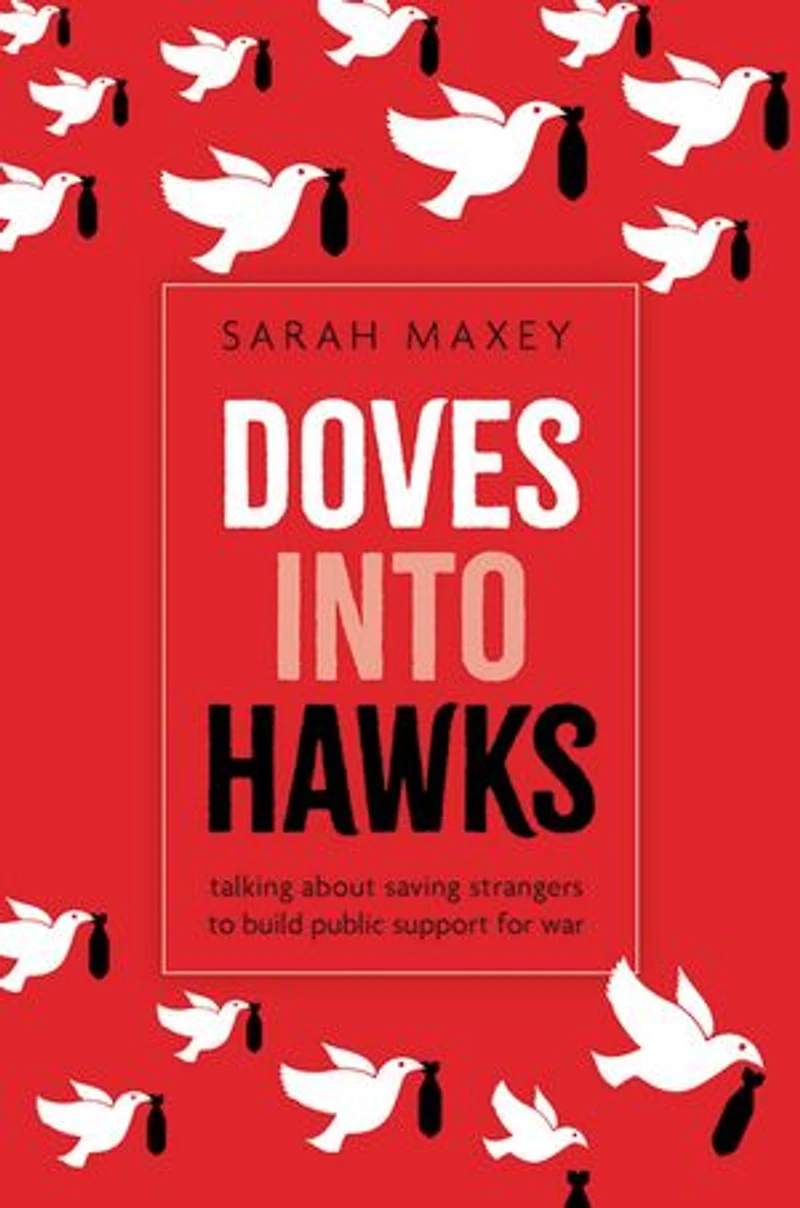
Doves into Hawks: Talking about Saving Strangers to Build Public Support for War in Vernon, BC
By None
Current price: $28.79
Original price: $35.99
Coles
Doves into Hawks: Talking about Saving Strangers to Build Public Support for War in Vernon, BC
By None
Current price: $28.79
Original price: $35.99
Loading Inventory...
Size: Kobo eBook
*Product information may vary - to confirm product availability, pricing, shipping and return information please contact Coles
Going to war is dangerous, costly, and questionable in its effectiveness. Yet majorities of the US public consistently support military interventions--a phenomenon that has generally been attributed to the mobilizing power of threats to US security. In fact, to justify every US military intervention in the post-Cold War era, presidents have cited not just national security, but also protecting foreign civilians. Doves into Hawks shows that protecting US interests is not enough to make war popular. Military interventions must also appear to have a humanitarian dimension. By emphasizing this dimension, presidents give traditional "doves" a reason to become temporary "hawks," creating a broad domestic coalition of support for military action. In turn, this coalition holds leaders accountable for achieving both humanitarian and security outcomes. Combining analysis of original data on presidential justifications for military force with survey experiments and archival research of the Gulf War and US action in Bosnia, Sarah Maxey reshapes our understanding of how, with the right words, leaders persuade skeptics to approve of military action and the unexpected ways this tactic can be good for democracy.
Going to war is dangerous, costly, and questionable in its effectiveness. Yet majorities of the US public consistently support military interventions--a phenomenon that has generally been attributed to the mobilizing power of threats to US security. In fact, to justify every US military intervention in the post-Cold War era, presidents have cited not just national security, but also protecting foreign civilians. Doves into Hawks shows that protecting US interests is not enough to make war popular. Military interventions must also appear to have a humanitarian dimension. By emphasizing this dimension, presidents give traditional "doves" a reason to become temporary "hawks," creating a broad domestic coalition of support for military action. In turn, this coalition holds leaders accountable for achieving both humanitarian and security outcomes. Combining analysis of original data on presidential justifications for military force with survey experiments and archival research of the Gulf War and US action in Bosnia, Sarah Maxey reshapes our understanding of how, with the right words, leaders persuade skeptics to approve of military action and the unexpected ways this tactic can be good for democracy.
You May Also Like















More About Coles at Village Green Shopping Centre
Find everything in-store including new, used and children’s books, music, movies, games and toys. Visit Coles today to find the perfect gift, or a novel for yourself. COVID-19 UPDATE: Open | Regular Centre Hours
Store Info
Find Coles at Village Green Shopping Centre in Vernon, BC
Visit Coles at Village Green Shopping Centre in Vernon, BC