

Choice Made Simple!
Too many options?Click below to purchase an online gift card that can be used at participating retailers in Village Green Shopping Centre and continue your shopping IN CENTRE!Purchase HereHome
Discrete Causal Theory: Emergent Spacetime And The Metric Hypothesis
Coles
Loading Inventory...
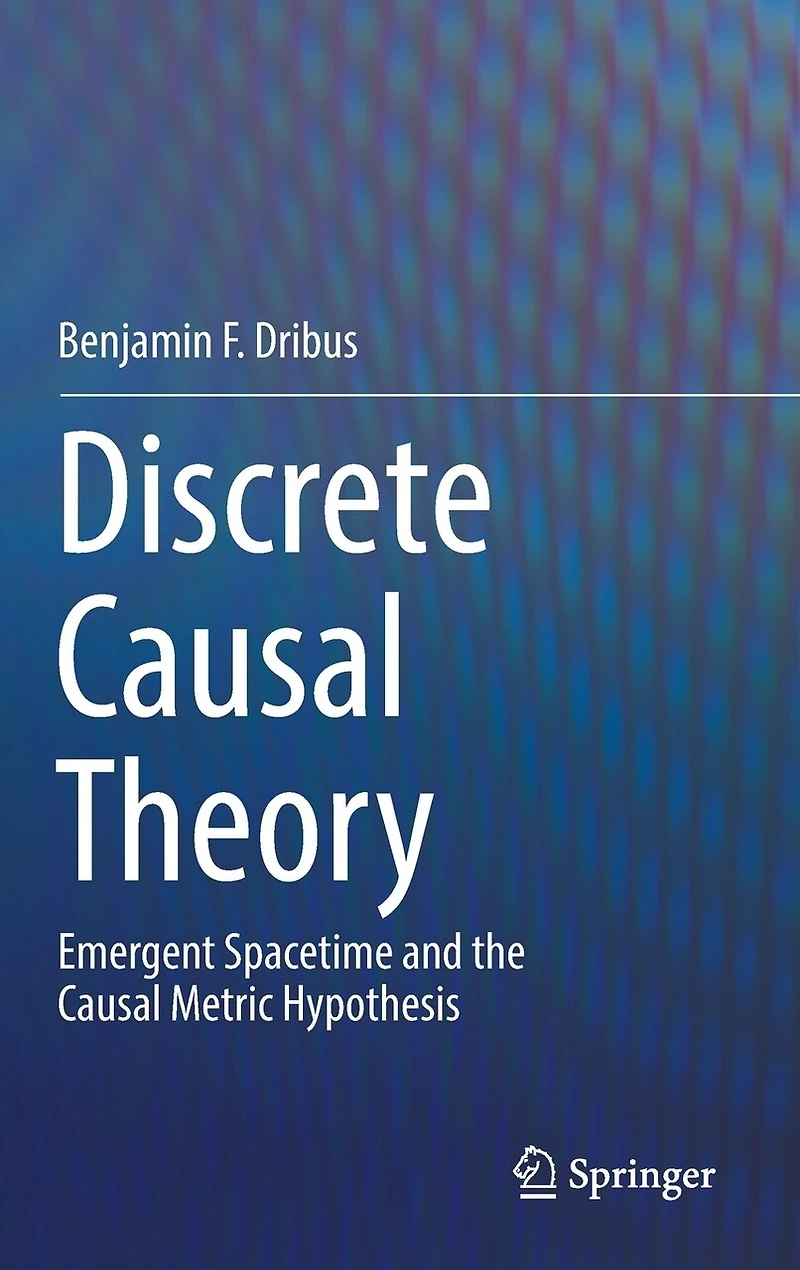
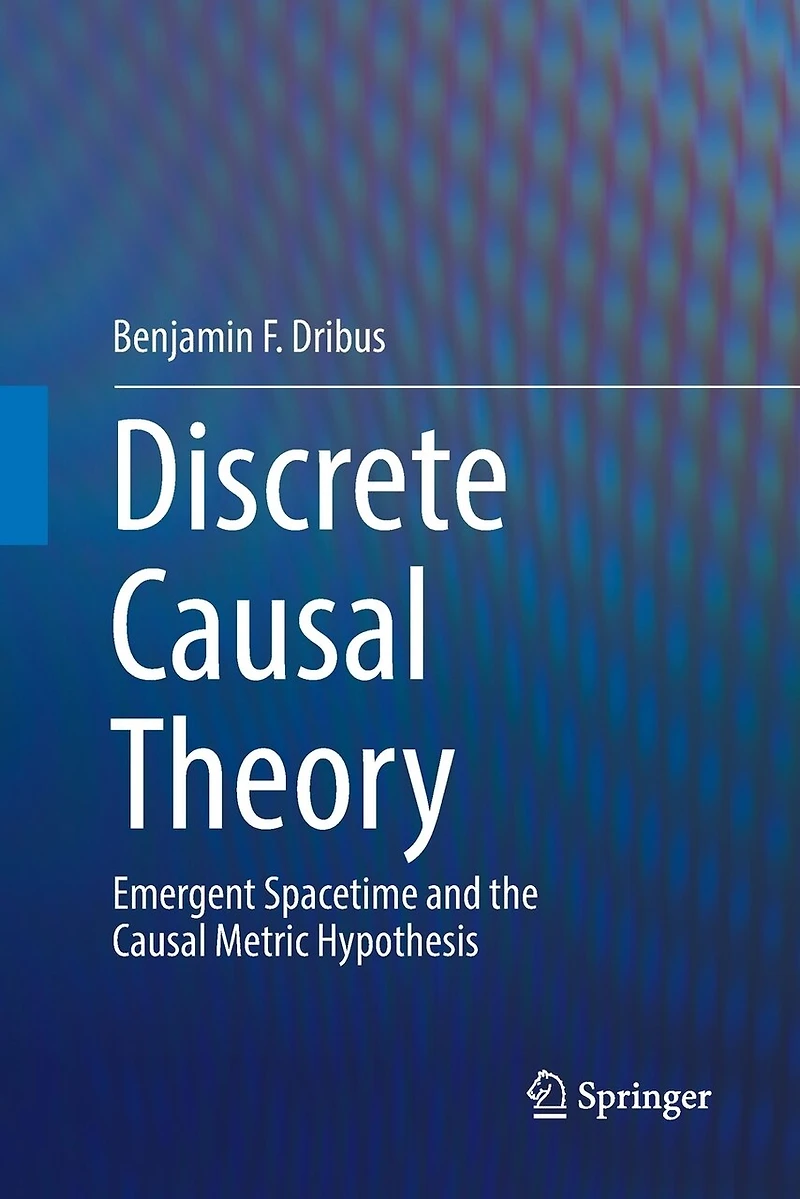
Discrete Causal Theory: Emergent Spacetime And The Metric Hypothesis in Vernon, BC
Current price: $291.95
Coles
Discrete Causal Theory: Emergent Spacetime And The Metric Hypothesis in Vernon, BC
Current price: $291.95
Loading Inventory...
Size: Hardcover
*Product information may vary - to confirm product availability, pricing, shipping and return information please contact Coles
This book evaluates and suggests potentially critical improvements to causal set theory, one of the best-motivated approaches to the outstanding problems of fundamental physics. Spacetime structure is of central importance to physics beyond general relativity and the standard model. The causal metric hypothesis treats causal relations as the basis of this structure. The book develops the consequences of this hypothesis under the assumption of a fundamental scale, with smooth spacetime geometry viewed as emergent. This approach resembles causal set theory, but differs in important ways; for example, the relative viewpoint, emphasizing relations between pairs of events, and relationships between pairs of histories, is central. The book culminates in a dynamical law for quantum spacetime, derived via generalized path summation.
This book evaluates and suggests potentially critical improvements to causal set theory, one of the best-motivated approaches to the outstanding problems of fundamental physics. Spacetime structure is of central importance to physics beyond general relativity and the standard model. The causal metric hypothesis treats causal relations as the basis of this structure. The book develops the consequences of this hypothesis under the assumption of a fundamental scale, with smooth spacetime geometry viewed as emergent. This approach resembles causal set theory, but differs in important ways; for example, the relative viewpoint, emphasizing relations between pairs of events, and relationships between pairs of histories, is central. The book culminates in a dynamical law for quantum spacetime, derived via generalized path summation.
You May Also Like







More About Coles at Village Green Shopping Centre
Find everything in-store including new, used and children’s books, music, movies, games and toys. Visit Coles today to find the perfect gift, or a novel for yourself. COVID-19 UPDATE: Open | Regular Centre Hours
Store Info
Find Coles at Village Green Shopping Centre in Vernon, BC
Visit Coles at Village Green Shopping Centre in Vernon, BC