

Choice Made Simple!
Too many options?Click below to purchase an online gift card that can be used at participating retailers in Village Green Shopping Centre and continue your shopping IN CENTRE!Purchase HereHome
Desiring Emancipation: New Women and Homosexuality Germany, 1890-1933
Coles
Loading Inventory...
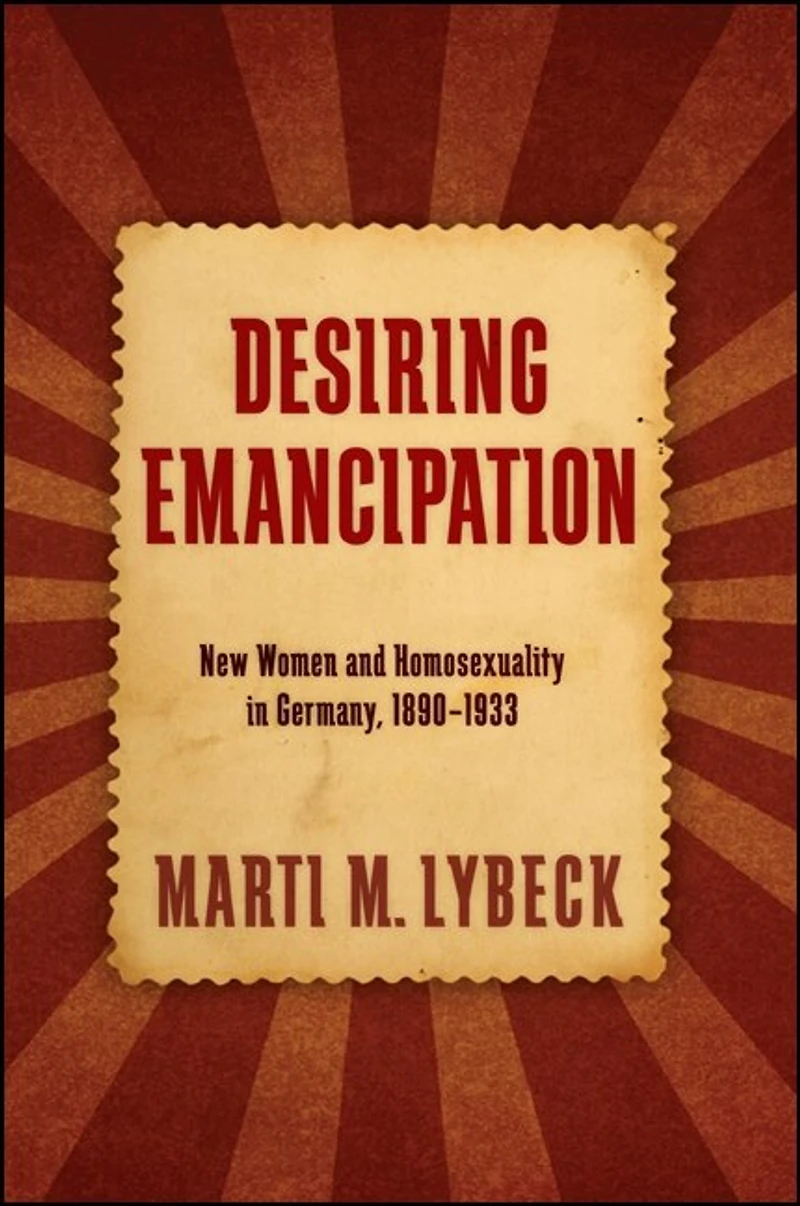
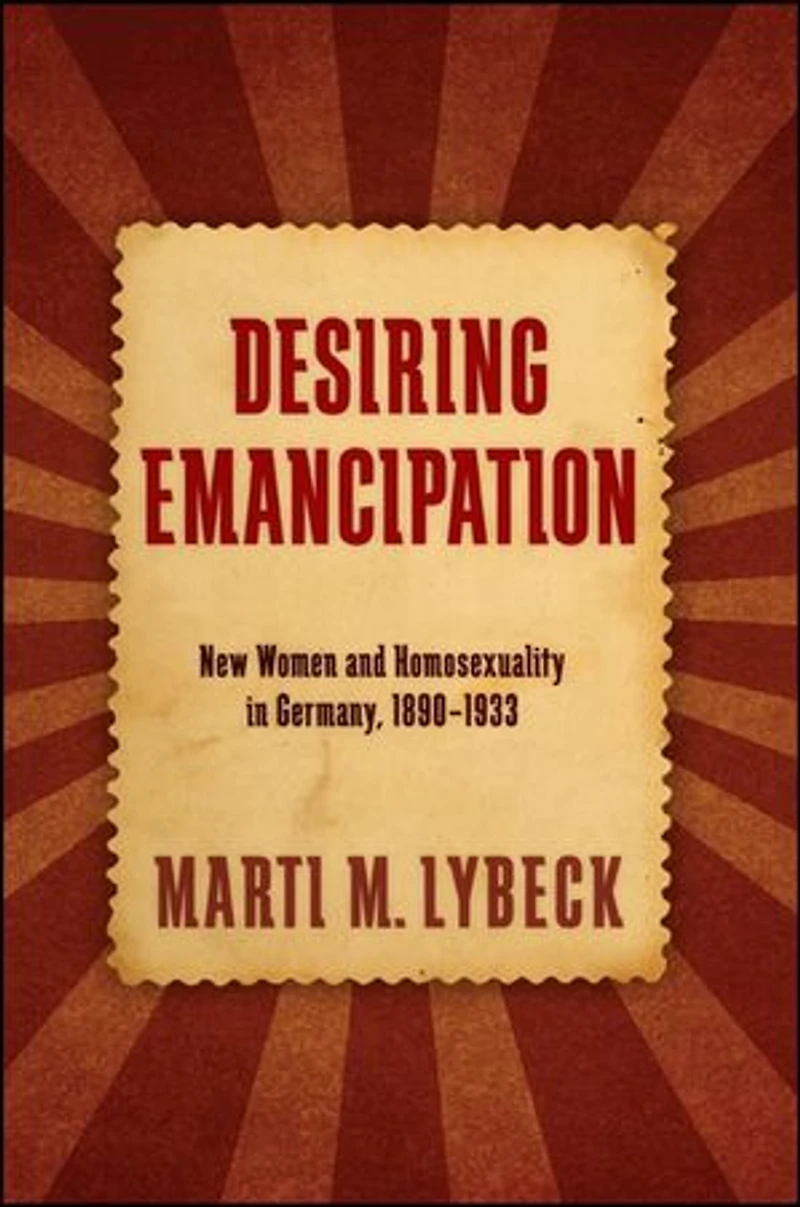
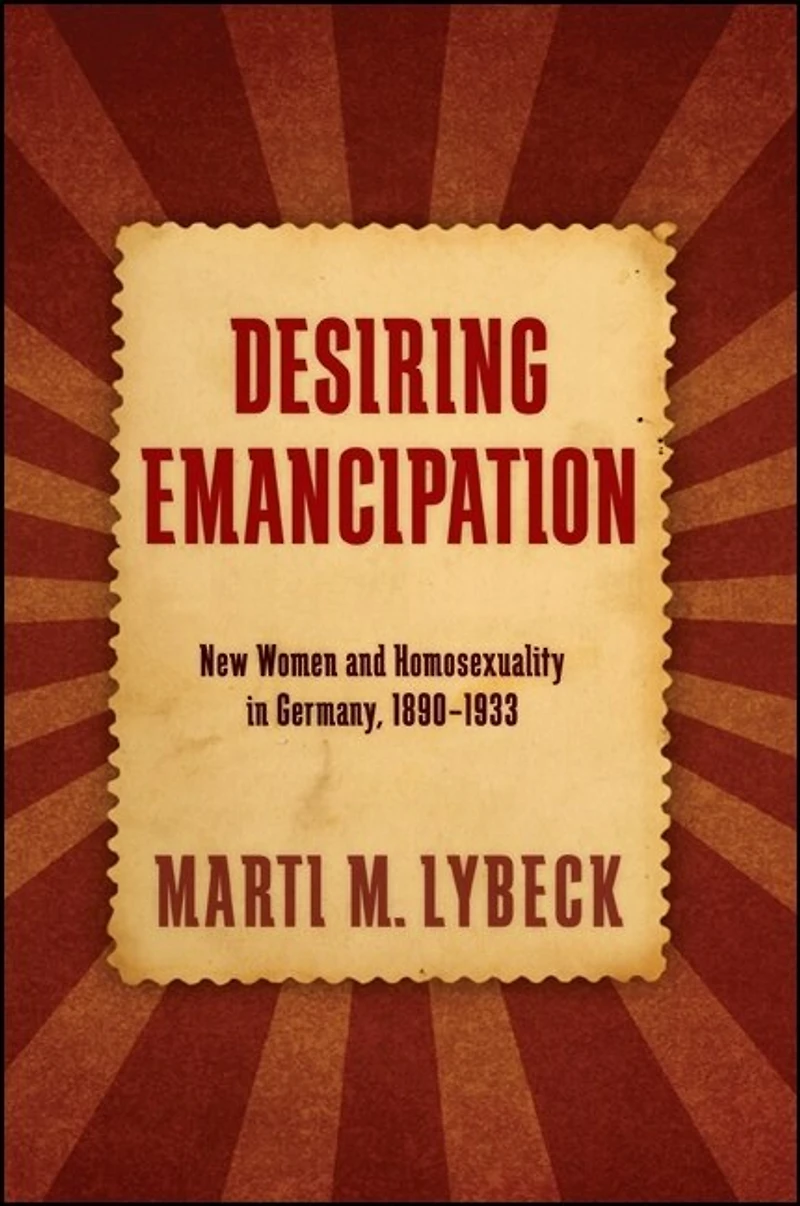
Desiring Emancipation: New Women and Homosexuality Germany, 1890-1933 in Vernon, BC
By None
Current price: $135.95
Coles
Desiring Emancipation: New Women and Homosexuality Germany, 1890-1933 in Vernon, BC
By None
Current price: $135.95
Loading Inventory...
Size: Hardcover
*Product information may vary - to confirm product availability, pricing, shipping and return information please contact Coles
Uses historical case studies to illuminate women's claims to emancipation and to sexual subjectivity during the tumultuous Wilhelmine and Weimar periods in Germany.
Desiring Emancipation traces middle-class German women's claims to gender emancipation and sexual subjectivity in the pre-Nazi era. The emergence of homosexual identities and concepts in this same time frame provided the context for expression of individual struggles with self, femininity, and sex. The book asks how women used new concepts and opportunities to construct selves in relationship to family, society, state, and culture. Taking a queer approach, Desiring Emancipation 's goal is not to find homosexuals in history, but to analyze how women reworked categories of gender and sex. Marti M. Lybeck interrogates their desires, demonstrating that emancipation was fraught with conflict, anachronism, and disappointment.
Each chapter is a microhistorical recreation of the actions, writings, contexts, and conflicts of specific groups of women. The topics include the experience of first-generation university students, public debates about female homosexuality, and the stories of three civil servants whose careers were ruined by workplace accusations of homosexuality. The book concludes with a debate between the women who joined the 1920s homosexual movement on the meanings of their new identities.
Uses historical case studies to illuminate women's claims to emancipation and to sexual subjectivity during the tumultuous Wilhelmine and Weimar periods in Germany.
Desiring Emancipation traces middle-class German women's claims to gender emancipation and sexual subjectivity in the pre-Nazi era. The emergence of homosexual identities and concepts in this same time frame provided the context for expression of individual struggles with self, femininity, and sex. The book asks how women used new concepts and opportunities to construct selves in relationship to family, society, state, and culture. Taking a queer approach, Desiring Emancipation 's goal is not to find homosexuals in history, but to analyze how women reworked categories of gender and sex. Marti M. Lybeck interrogates their desires, demonstrating that emancipation was fraught with conflict, anachronism, and disappointment.
Each chapter is a microhistorical recreation of the actions, writings, contexts, and conflicts of specific groups of women. The topics include the experience of first-generation university students, public debates about female homosexuality, and the stories of three civil servants whose careers were ruined by workplace accusations of homosexuality. The book concludes with a debate between the women who joined the 1920s homosexual movement on the meanings of their new identities.
You May Also Like











More About Coles at Village Green Shopping Centre
Find everything in-store including new, used and children’s books, music, movies, games and toys. Visit Coles today to find the perfect gift, or a novel for yourself. COVID-19 UPDATE: Open | Regular Centre Hours
Store Info
Find Coles at Village Green Shopping Centre in Vernon, BC
Visit Coles at Village Green Shopping Centre in Vernon, BC