

Choice Made Simple!
Too many options?Click below to purchase an online gift card that can be used at participating retailers in Village Green Shopping Centre and continue your shopping IN CENTRE!Purchase HereHome
Defining Engagement by Robert I. Hellyer, Hardcover | Indigo Chapters
Coles
Loading Inventory...
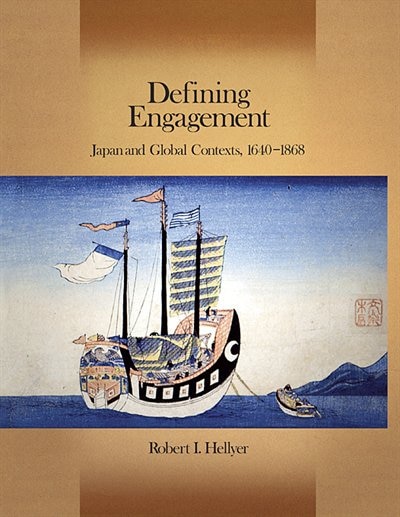
Defining Engagement by Robert I. Hellyer, Hardcover | Indigo Chapters in Vernon, BC
From Robert I. Hellyer
Current price: $51.95
Coles
Defining Engagement by Robert I. Hellyer, Hardcover | Indigo Chapters in Vernon, BC
From Robert I. Hellyer
Current price: $51.95
Loading Inventory...
Size: 1 x 1 x 1.25
*Product information may vary - to confirm product availability, pricing, shipping and return information please contact Coles
Presenting fresh insights on the internal dynamics and global contexts that shaped foreign relations in early modern Japan, Robert I. Hellyer challenges the still largely accepted wisdom that the Tokugawa shogunate, guided by an ideology of seclusion, stifled intercourse with the outside world, especially in the eighteenth and nineteenth centuries. Examining diplomacy, coastal defense, and foreign trade, this study demonstrates that while the shogunate created the broader framework, foreign relations were actually implemented through cooperative but sometimes competitive relationships with the Satsuma and Tsushima domains, which themselves held largely independent ties with neighboring states. Successive Tokugawa leaders also proactively revised foreign trade, especially with China, taking steps that mirrored the commercial stances of other Asian and Western states. In the nineteenth century, the system of foreign relations continued to evolve, with Satsuma gaining a greater share of foreign trade and Tsushima assuming more responsibility in coastal defense. The two domains subsequently played key roles in Japan’s transition from using early modern East Asian practices of foreign relations to the national adoption of international relations, especially the recasting of foreign trade and the centralization of foreign relations authority, in the years surrounding the Meiji Restoration of 1868. | Defining Engagement by Robert I. Hellyer, Hardcover | Indigo Chapters
Presenting fresh insights on the internal dynamics and global contexts that shaped foreign relations in early modern Japan, Robert I. Hellyer challenges the still largely accepted wisdom that the Tokugawa shogunate, guided by an ideology of seclusion, stifled intercourse with the outside world, especially in the eighteenth and nineteenth centuries. Examining diplomacy, coastal defense, and foreign trade, this study demonstrates that while the shogunate created the broader framework, foreign relations were actually implemented through cooperative but sometimes competitive relationships with the Satsuma and Tsushima domains, which themselves held largely independent ties with neighboring states. Successive Tokugawa leaders also proactively revised foreign trade, especially with China, taking steps that mirrored the commercial stances of other Asian and Western states. In the nineteenth century, the system of foreign relations continued to evolve, with Satsuma gaining a greater share of foreign trade and Tsushima assuming more responsibility in coastal defense. The two domains subsequently played key roles in Japan’s transition from using early modern East Asian practices of foreign relations to the national adoption of international relations, especially the recasting of foreign trade and the centralization of foreign relations authority, in the years surrounding the Meiji Restoration of 1868. | Defining Engagement by Robert I. Hellyer, Hardcover | Indigo Chapters
You May Also Like














More About Coles at Village Green Shopping Centre
Find everything in-store including new, used and children’s books, music, movies, games and toys. Visit Coles today to find the perfect gift, or a novel for yourself. COVID-19 UPDATE: Open | Regular Centre Hours
Store Info
Find Coles at Village Green Shopping Centre in Vernon, BC
Visit Coles at Village Green Shopping Centre in Vernon, BC