

Choice Made Simple!
Too many options?Click below to purchase an online gift card that can be used at participating retailers in Village Green Shopping Centre and continue your shopping IN CENTRE!Purchase HereHome
Defending Women's Spaces
Coles
Loading Inventory...
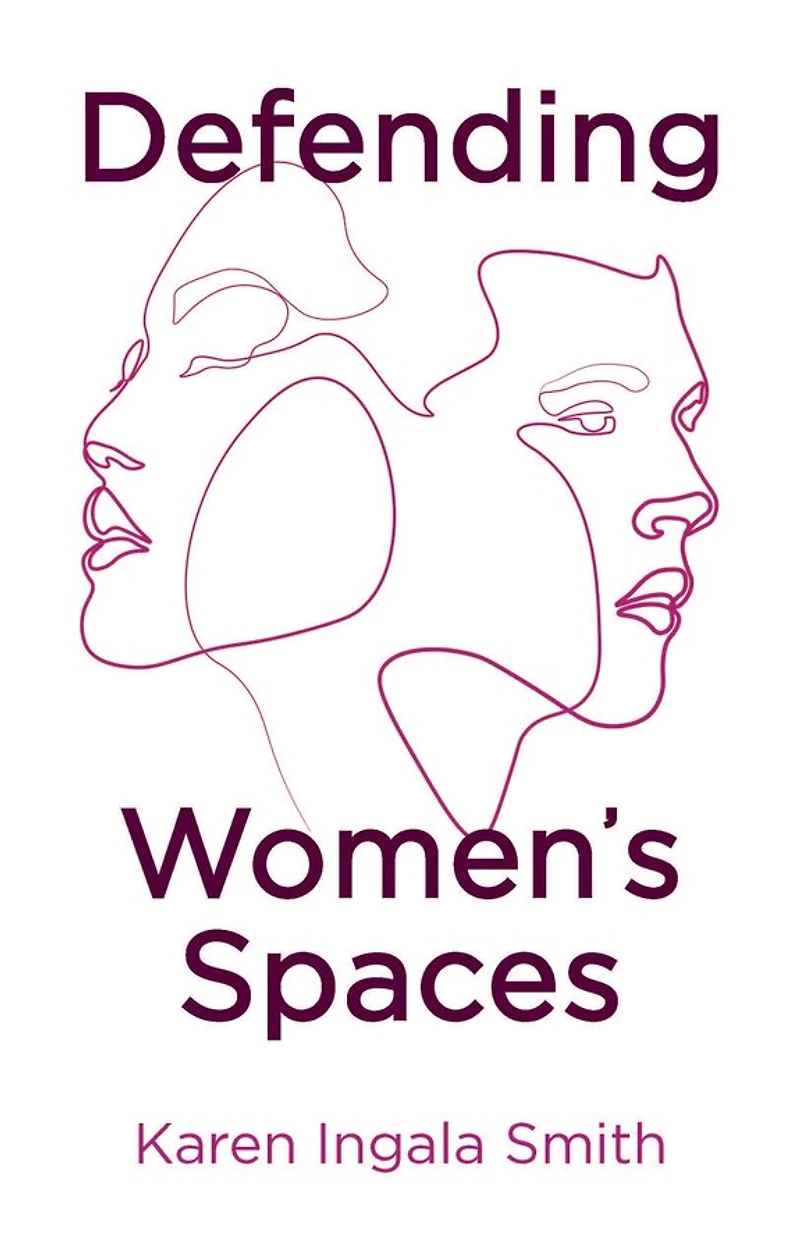
Defending Women's Spaces in Vernon, BC
By None
Current price: $86.34
Coles
Defending Women's Spaces in Vernon, BC
By None
Current price: $86.34
Loading Inventory...
Size: Hardcover
*Product information may vary - to confirm product availability, pricing, shipping and return information please contact Coles
Who counts as a woman? This question lies at the heart of many public debates about sex and gender today. While we increasingly recognise the desire of some to eliminate the sex binary in law, a particular boiling point emerges through conflicting demands over women’s spaces. Which should govern access to these – sex or gender identity? Karen Ingala Smith, a veteran campaigner for women’s and girls’ rights, opts for the former. In this trenchant critique of inclusivity politics, she argues that we cannot ignore the wealth of evidence which shows that people of the female sex have a unique set of needs which are often not met by mixed-sex spaces. Drawing on her 30 years of experience in researching and recording men’s violence against women and girls, she outlines how certain spaces, including refuges, benefit from remaining single sex – and what they stand to lose. Written with sensitivity and respect for all concerned, this book nevertheless dismantles the idea that we have reached a post-sex utopia.
Who counts as a woman? This question lies at the heart of many public debates about sex and gender today. While we increasingly recognise the desire of some to eliminate the sex binary in law, a particular boiling point emerges through conflicting demands over women’s spaces. Which should govern access to these – sex or gender identity? Karen Ingala Smith, a veteran campaigner for women’s and girls’ rights, opts for the former. In this trenchant critique of inclusivity politics, she argues that we cannot ignore the wealth of evidence which shows that people of the female sex have a unique set of needs which are often not met by mixed-sex spaces. Drawing on her 30 years of experience in researching and recording men’s violence against women and girls, she outlines how certain spaces, including refuges, benefit from remaining single sex – and what they stand to lose. Written with sensitivity and respect for all concerned, this book nevertheless dismantles the idea that we have reached a post-sex utopia.
You May Also Like












More About Coles at Village Green Shopping Centre
Find everything in-store including new, used and children’s books, music, movies, games and toys. Visit Coles today to find the perfect gift, or a novel for yourself. COVID-19 UPDATE: Open | Regular Centre Hours
Store Info
Find Coles at Village Green Shopping Centre in Vernon, BC
Visit Coles at Village Green Shopping Centre in Vernon, BC