

Choice Made Simple!
Too many options?Click below to purchase an online gift card that can be used at participating retailers in Village Green Shopping Centre and continue your shopping IN CENTRE!Purchase HereHome
Corrugated Iron: Building On The Frontier
Coles
Loading Inventory...
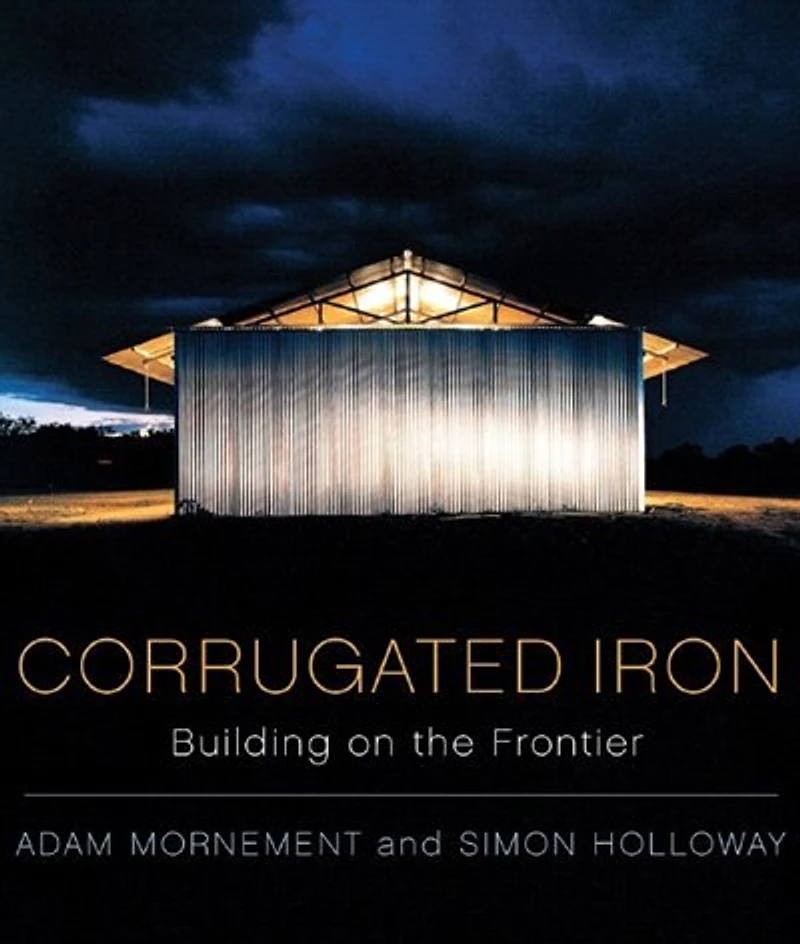
Corrugated Iron: Building On The Frontier in Vernon, BC
By None
Current price: $75.00
Coles
Corrugated Iron: Building On The Frontier in Vernon, BC
By None
Current price: $75.00
Loading Inventory...
Size: Hardcover
*Product information may vary - to confirm product availability, pricing, shipping and return information please contact Coles
When Henry Palmer of the London Dock Company was granted the first patent for “indented or corrugated metallic sheets” in 1829, he little realized what he was starting.
Within a few years engineers were putting up warehouses and elegant railway stations of corrugated iron. By the late 1840s entrepreneurial manufacturers were sending out build-it-yourself cottages for gold prospectors in California and Australia. Whole townships complete with churches, sports pavilions, hotels, and meeting halls were soon available from catalogs, to be flat-packed and sent around the world. The First World War brought the development of the shelter known as the Nissen hut, perhaps the most iconic of all corrugated iron buildings and forerunner of the Quonset hut.
Today corrugated sheet metal has proved invaluable in relief work and is used so often as roofing in the developing world that it can lay claim to shelter more people from the elements than any other building material. But the big surprise comes as architects around the world rediscover the virtues of this durable, biodegradable, and environmentally sound material, sufficiently versatile to create unique works of architecture and to house thousands in disaster zones. It answers the needs of both high-tech aesthetics and low-tech aspirations for affordability and ease of construction, as demonstrated by such cutting-edge architects as Will Bruder and Lake/Flato Architects in the United States; Glenn Murcutt in Australia; Rem Koolhaas, Nicholas Grimshaw, and Foreign Office Architects in Europe; and Shuhei Endo in Japan.
Whether the appeal lies in nostalgia for rain on rusting tin roofs or in the sophistication of contemporary architecture, corrugated iron deserves to be taken seriously. It has a long and fascinating history and a future as bright as its past.
When Henry Palmer of the London Dock Company was granted the first patent for “indented or corrugated metallic sheets” in 1829, he little realized what he was starting.
Within a few years engineers were putting up warehouses and elegant railway stations of corrugated iron. By the late 1840s entrepreneurial manufacturers were sending out build-it-yourself cottages for gold prospectors in California and Australia. Whole townships complete with churches, sports pavilions, hotels, and meeting halls were soon available from catalogs, to be flat-packed and sent around the world. The First World War brought the development of the shelter known as the Nissen hut, perhaps the most iconic of all corrugated iron buildings and forerunner of the Quonset hut.
Today corrugated sheet metal has proved invaluable in relief work and is used so often as roofing in the developing world that it can lay claim to shelter more people from the elements than any other building material. But the big surprise comes as architects around the world rediscover the virtues of this durable, biodegradable, and environmentally sound material, sufficiently versatile to create unique works of architecture and to house thousands in disaster zones. It answers the needs of both high-tech aesthetics and low-tech aspirations for affordability and ease of construction, as demonstrated by such cutting-edge architects as Will Bruder and Lake/Flato Architects in the United States; Glenn Murcutt in Australia; Rem Koolhaas, Nicholas Grimshaw, and Foreign Office Architects in Europe; and Shuhei Endo in Japan.
Whether the appeal lies in nostalgia for rain on rusting tin roofs or in the sophistication of contemporary architecture, corrugated iron deserves to be taken seriously. It has a long and fascinating history and a future as bright as its past.
You May Also Like









More About Coles at Village Green Shopping Centre
Find everything in-store including new, used and children’s books, music, movies, games and toys. Visit Coles today to find the perfect gift, or a novel for yourself. COVID-19 UPDATE: Open | Regular Centre Hours
Store Info
Find Coles at Village Green Shopping Centre in Vernon, BC
Visit Coles at Village Green Shopping Centre in Vernon, BC