

Choice Made Simple!
Too many options?Click below to purchase an online gift card that can be used at participating retailers in Village Green Shopping Centre and continue your shopping IN CENTRE!Purchase HereHome
Constructive Imperialism (1908)
Coles
Loading Inventory...
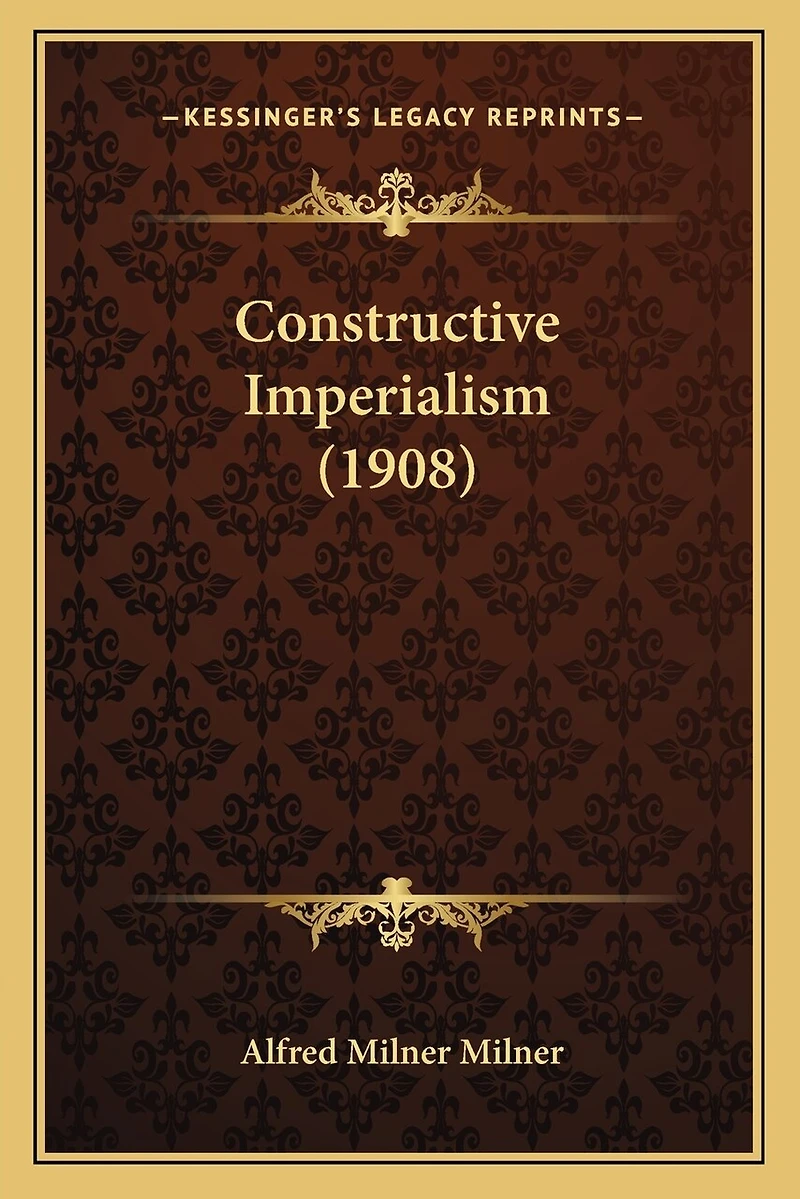
Constructive Imperialism (1908) in Vernon, BC
By None
Current price: $28.95
Coles
Constructive Imperialism (1908) in Vernon, BC
By None
Current price: $28.95
Loading Inventory...
Size: Paperback
*Product information may vary - to confirm product availability, pricing, shipping and return information please contact Coles
Constructive Imperialism is a political and historical treatise written by British statesman and colonial administrator Alfred Milner in 1908. The book is a collection of Milner's speeches and essays, which he delivered and wrote during his tenure as High Commissioner for South Africa and Governor-General of the Union of South Africa. Milner argues that imperialism is not only necessary but also beneficial for both the colonizer and the colonized. He believes that imperialism should be constructive, meaning that it should aim to improve the economic, social, and political conditions of the colonies. Milner emphasizes the importance of education, infrastructure development, and good governance in achieving constructive imperialism. He also advocates for the inclusion of the native population in the decision-making process, as well as the protection of their rights and interests. The book provides a detailed account of the British Empire's colonial policies and practices, particularly in Africa. Milner defends the British Empire's actions, arguing that they were necessary to bring civilization and progress to the colonies. He also critiques other European powers' imperialistic practices, which he believes were exploitative and destructive. Overall, Constructive Imperialism is a significant contribution to the discourse on imperialism and colonialism in the early 20th century. Milner's arguments and ideas continue to be debated and studied by scholars and policymakers today.This scarce antiquarian book is a facsimile reprint of the old original and may contain some imperfections such as library marks and notations. Because we believe this work is culturally important, we have made it available as part of our commitment for protecting, preserving, and promoting the world's literature in affordable, high quality, modern editions, that are true to their original work.
Constructive Imperialism is a political and historical treatise written by British statesman and colonial administrator Alfred Milner in 1908. The book is a collection of Milner's speeches and essays, which he delivered and wrote during his tenure as High Commissioner for South Africa and Governor-General of the Union of South Africa. Milner argues that imperialism is not only necessary but also beneficial for both the colonizer and the colonized. He believes that imperialism should be constructive, meaning that it should aim to improve the economic, social, and political conditions of the colonies. Milner emphasizes the importance of education, infrastructure development, and good governance in achieving constructive imperialism. He also advocates for the inclusion of the native population in the decision-making process, as well as the protection of their rights and interests. The book provides a detailed account of the British Empire's colonial policies and practices, particularly in Africa. Milner defends the British Empire's actions, arguing that they were necessary to bring civilization and progress to the colonies. He also critiques other European powers' imperialistic practices, which he believes were exploitative and destructive. Overall, Constructive Imperialism is a significant contribution to the discourse on imperialism and colonialism in the early 20th century. Milner's arguments and ideas continue to be debated and studied by scholars and policymakers today.This scarce antiquarian book is a facsimile reprint of the old original and may contain some imperfections such as library marks and notations. Because we believe this work is culturally important, we have made it available as part of our commitment for protecting, preserving, and promoting the world's literature in affordable, high quality, modern editions, that are true to their original work.
You May Also Like







More About Coles at Village Green Shopping Centre
Find everything in-store including new, used and children’s books, music, movies, games and toys. Visit Coles today to find the perfect gift, or a novel for yourself. COVID-19 UPDATE: Open | Regular Centre Hours
Store Info
Find Coles at Village Green Shopping Centre in Vernon, BC
Visit Coles at Village Green Shopping Centre in Vernon, BC