

Choice Made Simple!
Too many options?Click below to purchase an online gift card that can be used at participating retailers in Village Green Shopping Centre and continue your shopping IN CENTRE!Purchase HereHome
Cities of Refuge: German Jews London and New York, 1935-1945
Coles
Loading Inventory...
Cities of Refuge: German Jews London and New York, 1935-1945 in Vernon, BC
Current price: $135.95
Coles
Cities of Refuge: German Jews London and New York, 1935-1945 in Vernon, BC
Current price: $135.95
Loading Inventory...
Size: Hardcover
*Product information may vary - to confirm product availability, pricing, shipping and return information please contact Coles
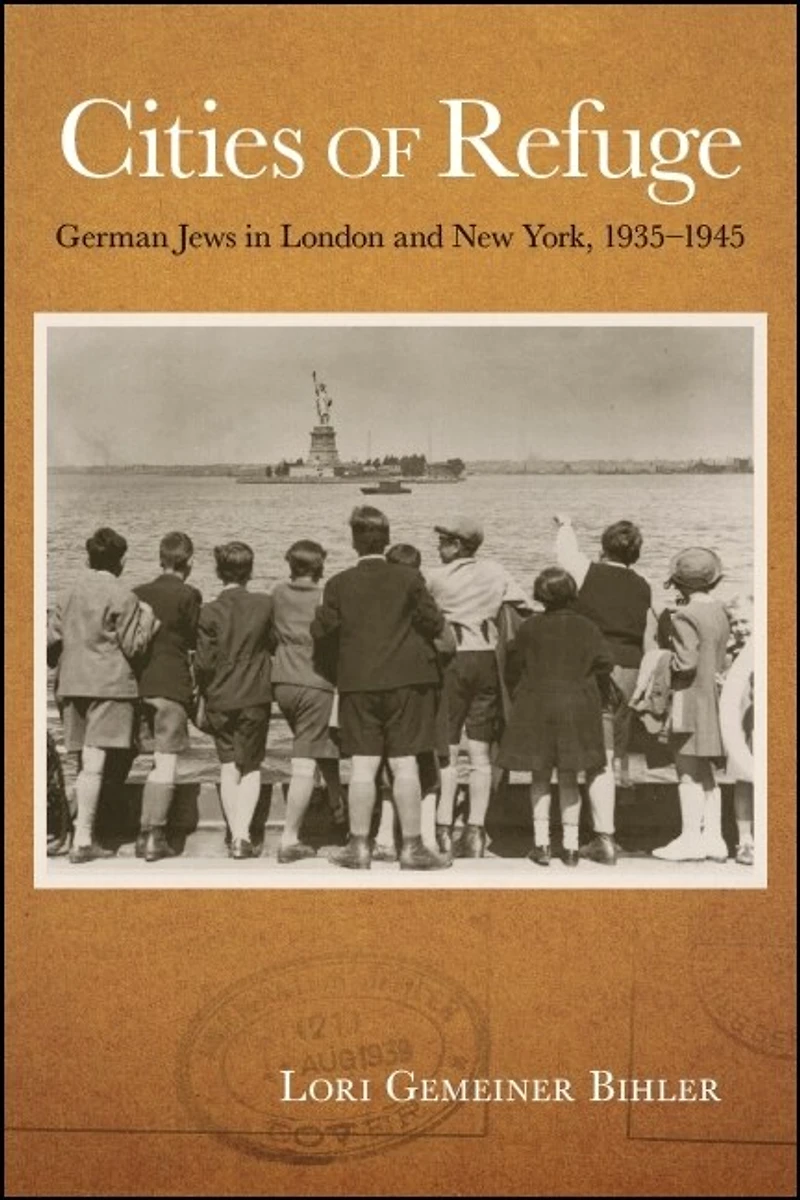
In the years following Hitler's rise to power, German Jews faced increasingly restrictive antisemitic laws, and many responded by fleeing to more tolerant countries.
compares the experiences of Jewish refugees who immigrated to London and New York City by analyzing letters, diaries, newspapers, organizational documents, and oral histories. Lori Gemeiner Bihler examines institutions, neighborhoods, employment, language use, name changes, dress, family dynamics, and domestic life in these two cities to determine why immigrants in London adopted local customs more quickly than those in New York City, yet identified less as British than their counterparts in the United States did as American. By highlighting a disparity between integration and identity formation, Bihler challenges traditional theories of assimilation and provides a new framework for the study of refugees and migration.
In the years following Hitler's rise to power, German Jews faced increasingly restrictive antisemitic laws, and many responded by fleeing to more tolerant countries.
compares the experiences of Jewish refugees who immigrated to London and New York City by analyzing letters, diaries, newspapers, organizational documents, and oral histories. Lori Gemeiner Bihler examines institutions, neighborhoods, employment, language use, name changes, dress, family dynamics, and domestic life in these two cities to determine why immigrants in London adopted local customs more quickly than those in New York City, yet identified less as British than their counterparts in the United States did as American. By highlighting a disparity between integration and identity formation, Bihler challenges traditional theories of assimilation and provides a new framework for the study of refugees and migration.
You May Also Like










More About Coles at Village Green Shopping Centre
Find everything in-store including new, used and children’s books, music, movies, games and toys. Visit Coles today to find the perfect gift, or a novel for yourself. COVID-19 UPDATE: Open | Regular Centre Hours
Store Info
Find Coles at Village Green Shopping Centre in Vernon, BC
Visit Coles at Village Green Shopping Centre in Vernon, BC