

Choice Made Simple!
Too many options?Click below to purchase an online gift card that can be used at participating retailers in Village Green Shopping Centre and continue your shopping IN CENTRE!Purchase HereHome
Childhood Contemporary Diasporic African Literature: Memories and Futures Past
Coles
Loading Inventory...
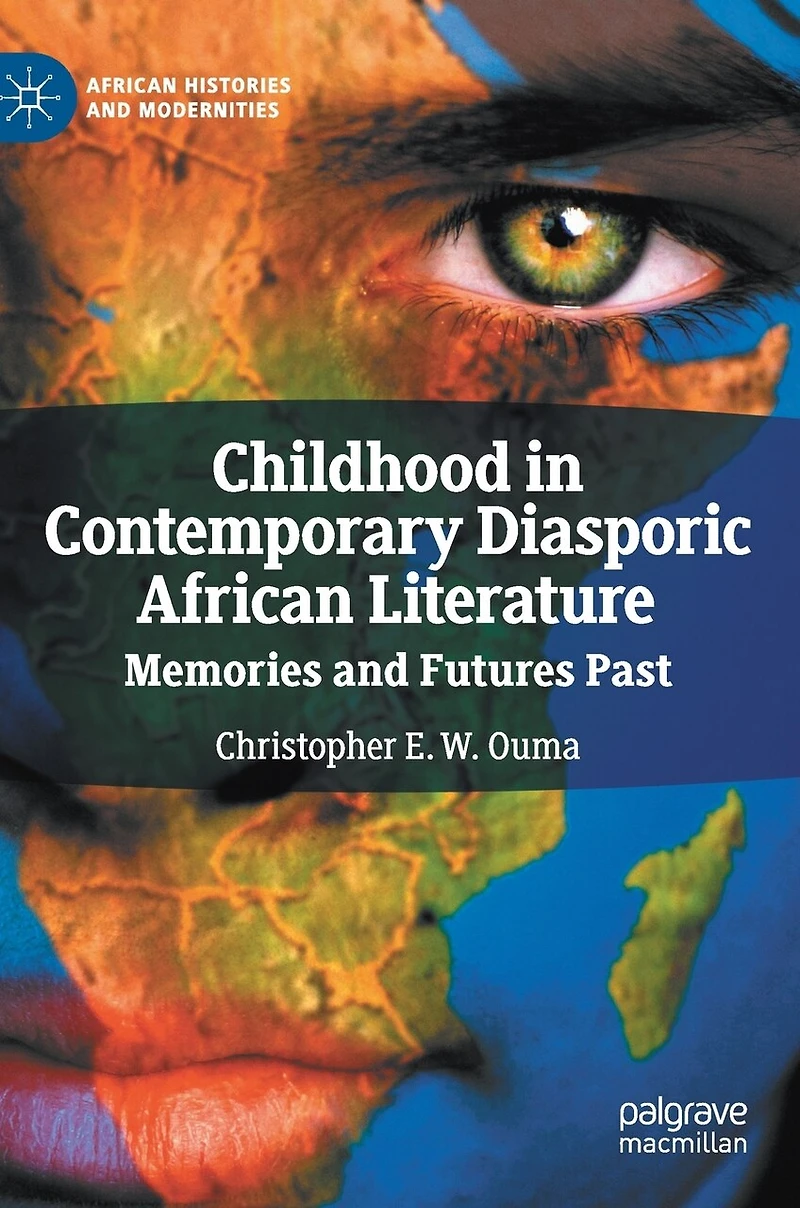
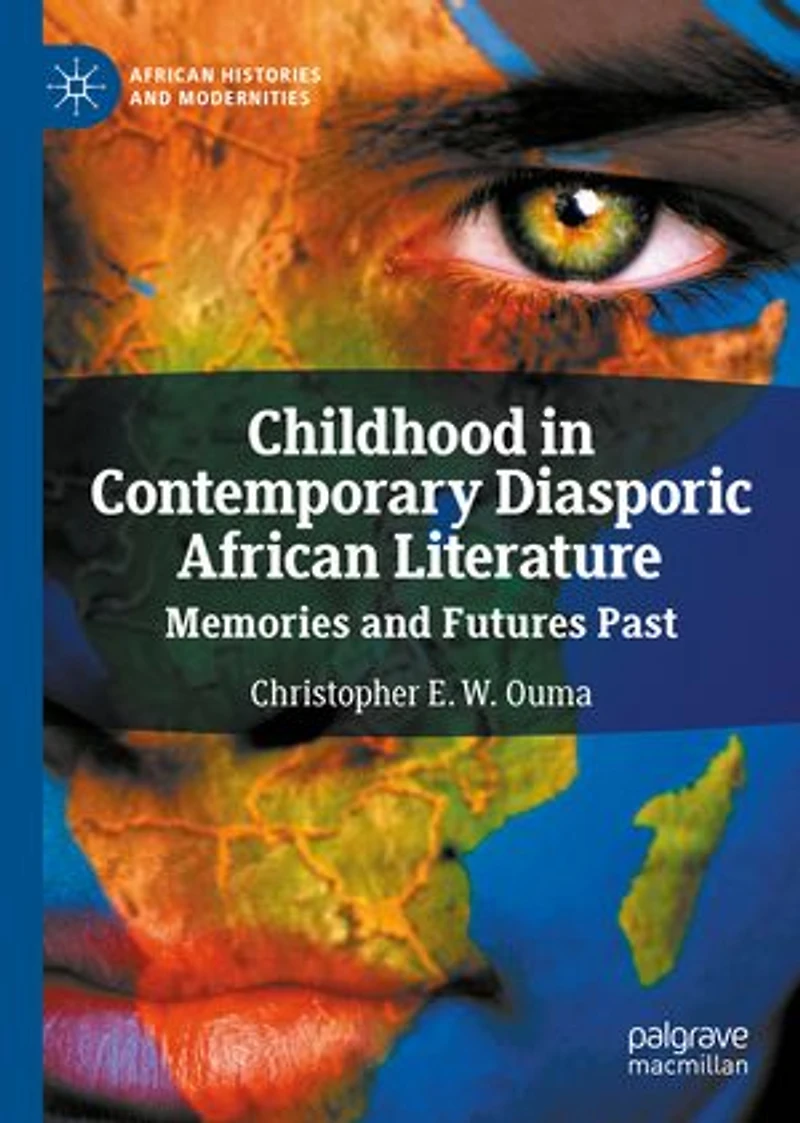
Childhood Contemporary Diasporic African Literature: Memories and Futures Past in Vernon, BC
By None
Current price: $131.50
Coles
Childhood Contemporary Diasporic African Literature: Memories and Futures Past in Vernon, BC
By None
Current price: $131.50
Loading Inventory...
Size: Hardcover
*Product information may vary - to confirm product availability, pricing, shipping and return information please contact Coles
This book examines the representation of figures, memories and images of childhood in selected contemporary diasporic African fiction by Adichie, Abani, Wainaina and Oyeyemi. The book argues that childhood is a key framework for thinking about contemporary African and African Diasporic identities. It argues that through the privileging of childhood memory, alternative conceptions of time emerge in this literature, and which allow African writers to re-imagine what family, ethnicity, nation means within the new spaces of diaspora that a majority of them occupy. The book therefore looks at the connections between childhood, space, time and memory, childhood gender and sexuality, childhoods in contexts of war, as well as migrant childhoods. These dimensions of childhood particularly relate to the return of the memory of Biafra, the figures of child soldiers, memories of growing up in Cold War Africa, queer boyhoods/sonhood as well as experiences of migration within Africa, North America and Europe.
This book examines the representation of figures, memories and images of childhood in selected contemporary diasporic African fiction by Adichie, Abani, Wainaina and Oyeyemi. The book argues that childhood is a key framework for thinking about contemporary African and African Diasporic identities. It argues that through the privileging of childhood memory, alternative conceptions of time emerge in this literature, and which allow African writers to re-imagine what family, ethnicity, nation means within the new spaces of diaspora that a majority of them occupy. The book therefore looks at the connections between childhood, space, time and memory, childhood gender and sexuality, childhoods in contexts of war, as well as migrant childhoods. These dimensions of childhood particularly relate to the return of the memory of Biafra, the figures of child soldiers, memories of growing up in Cold War Africa, queer boyhoods/sonhood as well as experiences of migration within Africa, North America and Europe.
You May Also Like










More About Coles at Village Green Shopping Centre
Find everything in-store including new, used and children’s books, music, movies, games and toys. Visit Coles today to find the perfect gift, or a novel for yourself. COVID-19 UPDATE: Open | Regular Centre Hours
Store Info
Find Coles at Village Green Shopping Centre in Vernon, BC
Visit Coles at Village Green Shopping Centre in Vernon, BC