

Choice Made Simple!
Too many options?Click below to purchase an online gift card that can be used at participating retailers in Village Green Shopping Centre and continue your shopping IN CENTRE!Purchase HereHome
Charismatic Capitalism: Direct Selling Organizations America
Coles
Loading Inventory...
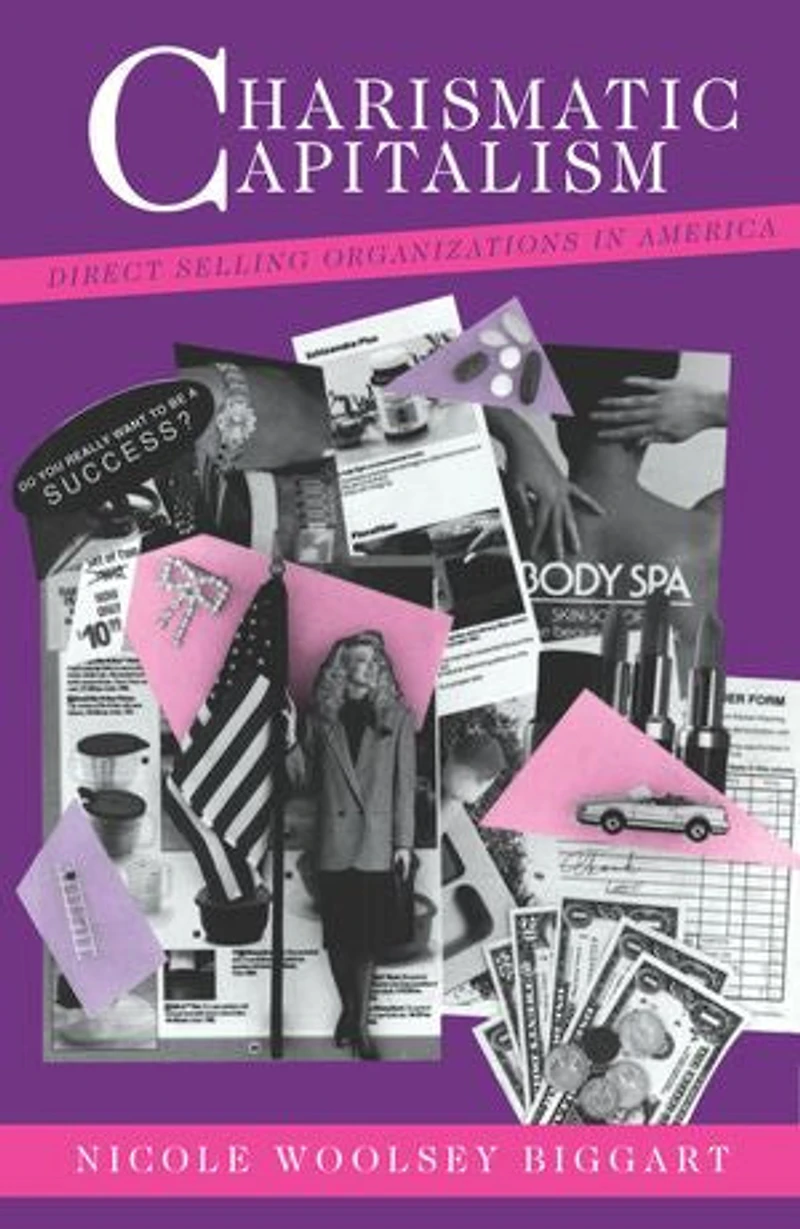
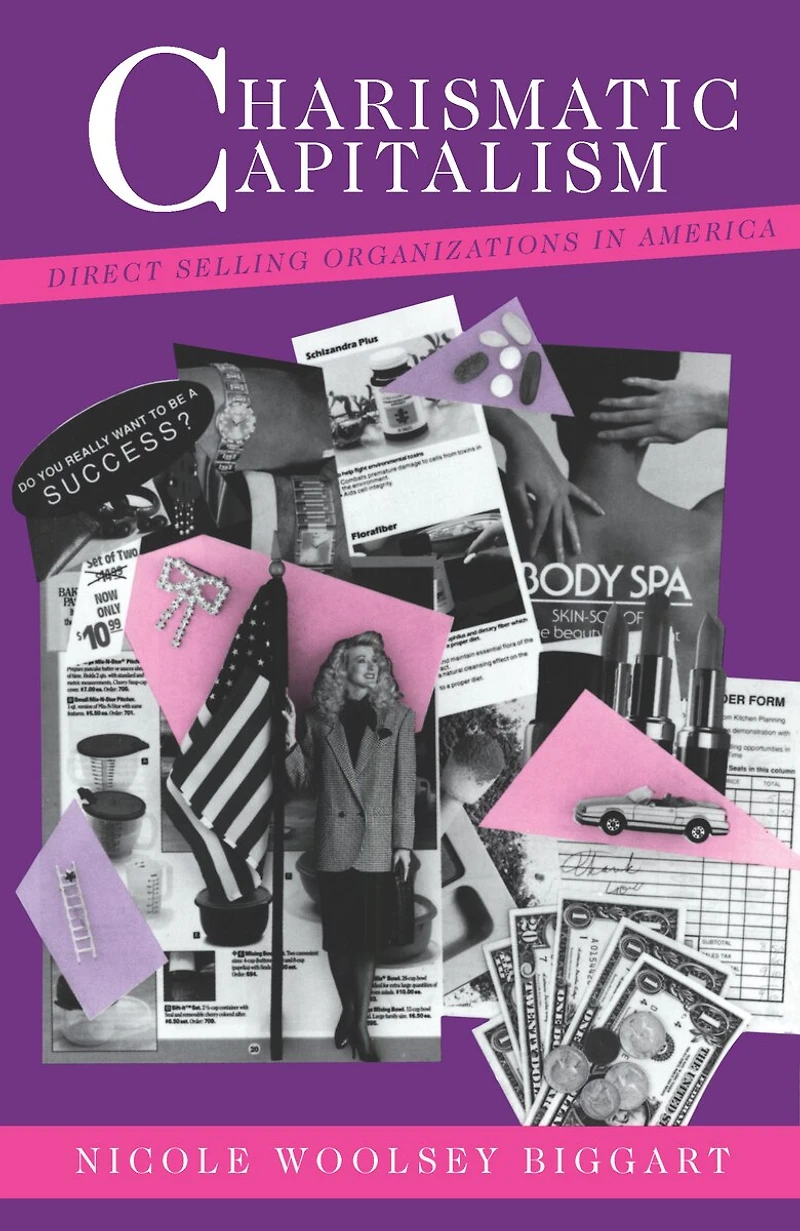
Charismatic Capitalism: Direct Selling Organizations America in Vernon, BC
By None
Current price: $32.59
Original price: $40.70
Coles
Charismatic Capitalism: Direct Selling Organizations America in Vernon, BC
By None
Current price: $32.59
Original price: $40.70
Loading Inventory...
Size: Kobo eBook
*Product information may vary - to confirm product availability, pricing, shipping and return information please contact Coles
Tupperware Home Parties, Shaklee Corporation, Amway, Mary Kay Cosmetics—theirs is an approach to business that violates many of the basic tenets of modern American commerce. Yet these direct selling organizations, fashioned by charismatic leaders and built upon devoted armies of door-to-door representatives, have grown to constitute an $8.5 billion a year industry and provide a livelihood for more than 5 million workers, the vast majority of them women.
The first full-scale study of this industry, Charismatic Capitalism, revises the standard contention that the rationalization of social institutions is an inevitable consequence of advanced capitalism. Nicole Woolsey Biggart argues instead that less rational organizations built on social networks may actually be more economically viable.
Tupperware Home Parties, Shaklee Corporation, Amway, Mary Kay Cosmetics—theirs is an approach to business that violates many of the basic tenets of modern American commerce. Yet these direct selling organizations, fashioned by charismatic leaders and built upon devoted armies of door-to-door representatives, have grown to constitute an $8.5 billion a year industry and provide a livelihood for more than 5 million workers, the vast majority of them women.
The first full-scale study of this industry, Charismatic Capitalism, revises the standard contention that the rationalization of social institutions is an inevitable consequence of advanced capitalism. Nicole Woolsey Biggart argues instead that less rational organizations built on social networks may actually be more economically viable.
You May Also Like







More About Coles at Village Green Shopping Centre
Find everything in-store including new, used and children’s books, music, movies, games and toys. Visit Coles today to find the perfect gift, or a novel for yourself. COVID-19 UPDATE: Open | Regular Centre Hours
Store Info
Find Coles at Village Green Shopping Centre in Vernon, BC
Visit Coles at Village Green Shopping Centre in Vernon, BC