

Choice Made Simple!
Too many options?Click below to purchase an online gift card that can be used at participating retailers in Village Green Shopping Centre and continue your shopping IN CENTRE!Purchase HereHome
Carolina Gold Rice: The Ebb and Flow History of a Lowcountry Cash Crop
Coles
Loading Inventory...
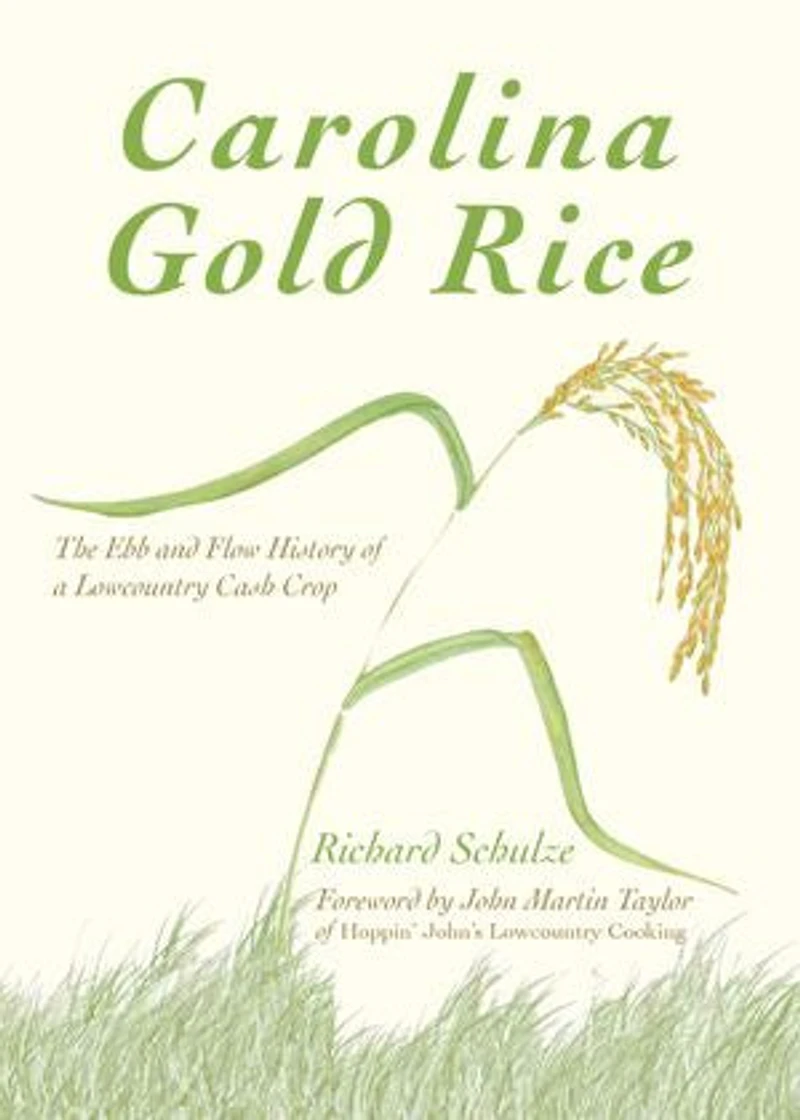
Carolina Gold Rice: The Ebb and Flow History of a Lowcountry Cash Crop in Vernon, BC
By None
Current price: $14.39
Original price: $17.99
Coles
Carolina Gold Rice: The Ebb and Flow History of a Lowcountry Cash Crop in Vernon, BC
By None
Current price: $14.39
Original price: $17.99
Loading Inventory...
Size: Kobo eBook
*Product information may vary - to confirm product availability, pricing, shipping and return information please contact Coles
Carolina Gold, the celebrated variety of rice established in the South Carolina Lowcountry, perhaps saved the fledgling colony at the beginning of the eighteenth century and remained integral to the local economy for nearly two hundred years. However, the labor required to produce it encouraged the establishment of slavery, ultimately contributing to the region's economic collapse following the Civil War. Richard Schulze, who reintroduced this crop in South Carolina after nearly a century's absence, provides this fascinating inside story of an industry that helped build some of the largest fortunes in America. Drawing on both historical research and personal experience, Schulze reveals the legacy of this once-forgotten Lowcountry icon.
Carolina Gold, the celebrated variety of rice established in the South Carolina Lowcountry, perhaps saved the fledgling colony at the beginning of the eighteenth century and remained integral to the local economy for nearly two hundred years. However, the labor required to produce it encouraged the establishment of slavery, ultimately contributing to the region's economic collapse following the Civil War. Richard Schulze, who reintroduced this crop in South Carolina after nearly a century's absence, provides this fascinating inside story of an industry that helped build some of the largest fortunes in America. Drawing on both historical research and personal experience, Schulze reveals the legacy of this once-forgotten Lowcountry icon.
You May Also Like











More About Coles at Village Green Shopping Centre
Find everything in-store including new, used and children’s books, music, movies, games and toys. Visit Coles today to find the perfect gift, or a novel for yourself. COVID-19 UPDATE: Open | Regular Centre Hours
Store Info
Find Coles at Village Green Shopping Centre in Vernon, BC
Visit Coles at Village Green Shopping Centre in Vernon, BC