

Choice Made Simple!
Too many options?Click below to purchase an online gift card that can be used at participating retailers in Village Green Shopping Centre and continue your shopping IN CENTRE!Purchase HereHome
Britten Experienced: Modernism, Musicology and Sentiment
Coles
Loading Inventory...
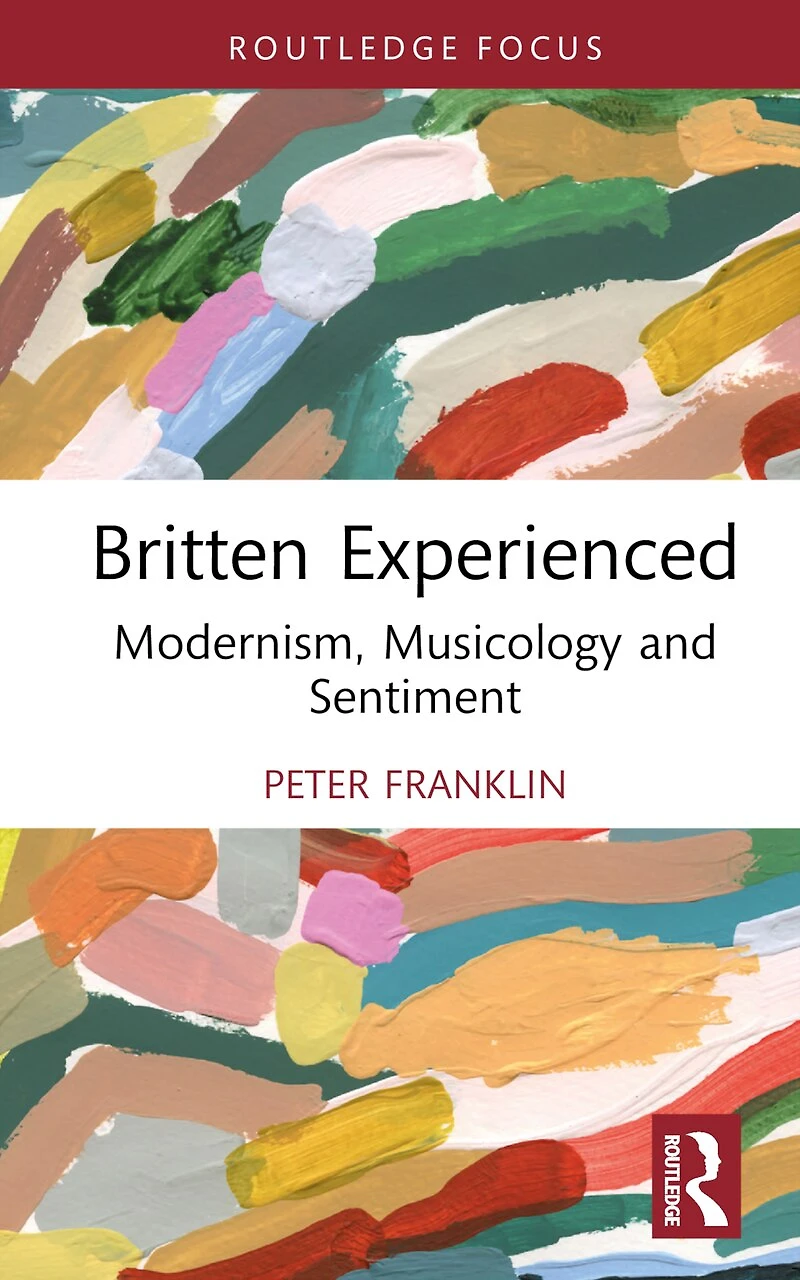

Britten Experienced: Modernism, Musicology and Sentiment in Vernon, BC
Current price: $109.95
Coles
Britten Experienced: Modernism, Musicology and Sentiment in Vernon, BC
Current price: $109.95
Loading Inventory...
Size: Hardcover
*Product information may vary - to confirm product availability, pricing, shipping and return information please contact Coles
Who writes the books we read about music that excites us, and why? Is 'classical music' all about class? Related questions underpin this partly polemical study, written by an academic who believes that the Humanities, to be really humane, must confront their methods and aims. Two recent studies of Benjamin Britten have specifically interested the author, who was educated in a world where the composer was a living subject of criticism and praise, his works reflecting values, worries and dramas that were not just about 'music'. Franklin's response is to question the recent writers, proposing that, like theirs, his own story conditioned when and how he experienced Britten. This he unfolds autobiographically in and around the discussion of specific works. Recalling his encounters with the composer as a schoolboy, as a student and opera-goer, and then as a teacher, he challenges recent assertions about Britten and modernism in the period.
Who writes the books we read about music that excites us, and why? Is 'classical music' all about class? Related questions underpin this partly polemical study, written by an academic who believes that the Humanities, to be really humane, must confront their methods and aims. Two recent studies of Benjamin Britten have specifically interested the author, who was educated in a world where the composer was a living subject of criticism and praise, his works reflecting values, worries and dramas that were not just about 'music'. Franklin's response is to question the recent writers, proposing that, like theirs, his own story conditioned when and how he experienced Britten. This he unfolds autobiographically in and around the discussion of specific works. Recalling his encounters with the composer as a schoolboy, as a student and opera-goer, and then as a teacher, he challenges recent assertions about Britten and modernism in the period.
You May Also Like








More About Coles at Village Green Shopping Centre
Find everything in-store including new, used and children’s books, music, movies, games and toys. Visit Coles today to find the perfect gift, or a novel for yourself. COVID-19 UPDATE: Open | Regular Centre Hours
Store Info
Find Coles at Village Green Shopping Centre in Vernon, BC
Visit Coles at Village Green Shopping Centre in Vernon, BC