

Choice Made Simple!
Too many options?Click below to purchase an online gift card that can be used at participating retailers in Village Green Shopping Centre and continue your shopping IN CENTRE!Purchase HereHome
British Cabinet Ministers: The Roles of Politicians Executive Office
Coles
Loading Inventory...
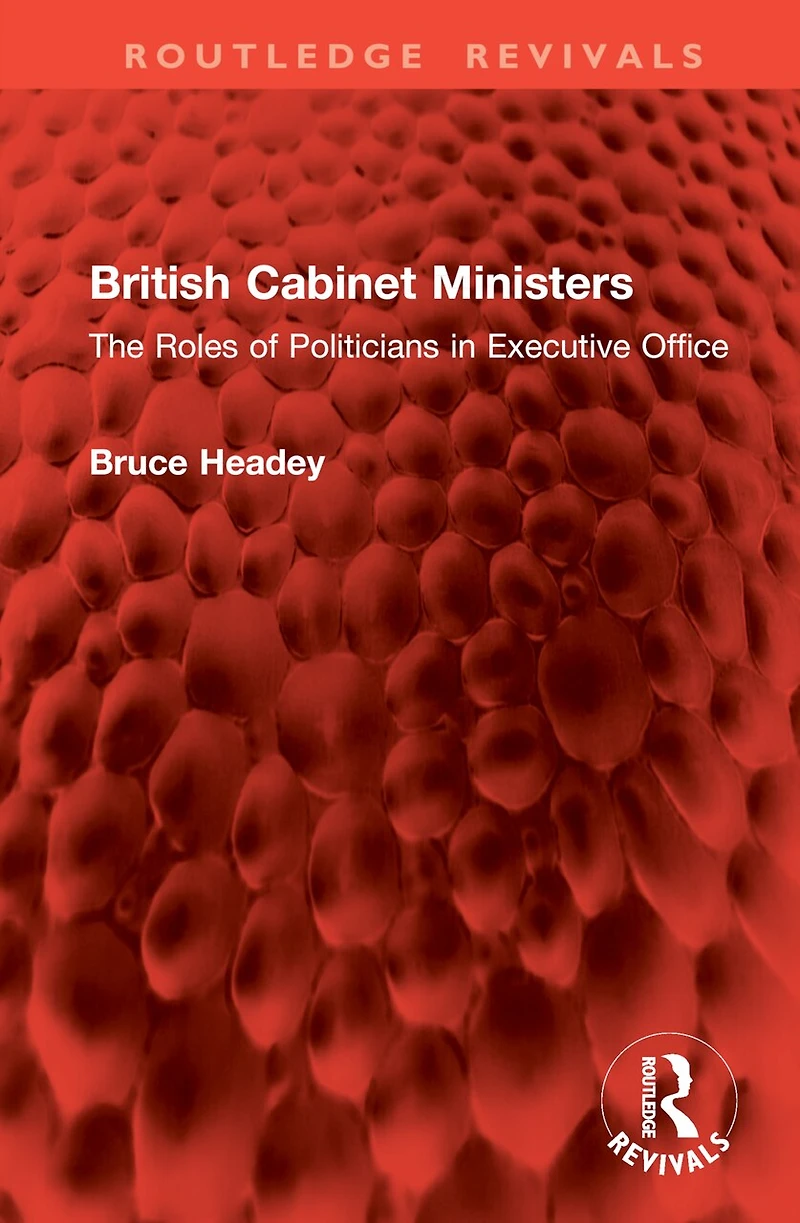
British Cabinet Ministers: The Roles of Politicians Executive Office in Vernon, BC
Current price: $214.95
Coles
British Cabinet Ministers: The Roles of Politicians Executive Office in Vernon, BC
Current price: $214.95
Loading Inventory...
Size: Hardcover
*Product information may vary - to confirm product availability, pricing, shipping and return information please contact Coles
First published in 1974, British Cabinet Ministers is about the opportunities and constraints of executive political office. It is mainly based on interviews with fifty contemporary British Ministers and twenty-five senior civil servants. Hitherto political observers have referred simply to 'strong' and 'weak' Ministers, which begs the question 'âstrong" or "weak" at what?' Here Ministers are classified into five types-policy initiators, policy selectors, Executive and Ambassador Ministers, and Minimalists-depending on their different approaches to their jobs. The problems Ministers face in achieving their objectives are analysed and case studies are presented of the performance in office of different types of Ministers. In this context, we review the skills and abilities of politicians themselves and the range and quality of advice they can expect to receive in Whitehall. In the final section, the author considers the consequences for British government of the finding that Ministers are better qualified to perform some of their roles than others, and also indicates lines of inquiry that need to be further pursued by students of executive political leadership.
First published in 1974, British Cabinet Ministers is about the opportunities and constraints of executive political office. It is mainly based on interviews with fifty contemporary British Ministers and twenty-five senior civil servants. Hitherto political observers have referred simply to 'strong' and 'weak' Ministers, which begs the question 'âstrong" or "weak" at what?' Here Ministers are classified into five types-policy initiators, policy selectors, Executive and Ambassador Ministers, and Minimalists-depending on their different approaches to their jobs. The problems Ministers face in achieving their objectives are analysed and case studies are presented of the performance in office of different types of Ministers. In this context, we review the skills and abilities of politicians themselves and the range and quality of advice they can expect to receive in Whitehall. In the final section, the author considers the consequences for British government of the finding that Ministers are better qualified to perform some of their roles than others, and also indicates lines of inquiry that need to be further pursued by students of executive political leadership.
You May Also Like







More About Coles at Village Green Shopping Centre
Find everything in-store including new, used and children’s books, music, movies, games and toys. Visit Coles today to find the perfect gift, or a novel for yourself. COVID-19 UPDATE: Open | Regular Centre Hours
Store Info
Find Coles at Village Green Shopping Centre in Vernon, BC
Visit Coles at Village Green Shopping Centre in Vernon, BC