

Choice Made Simple!
Too many options?Click below to purchase an online gift card that can be used at participating retailers in Village Green Shopping Centre and continue your shopping IN CENTRE!Purchase HereHome
Boiler Feed Water Treatment 3rd Ed by F J Matthews, Hardcover | Indigo Chapters
Coles
Loading Inventory...
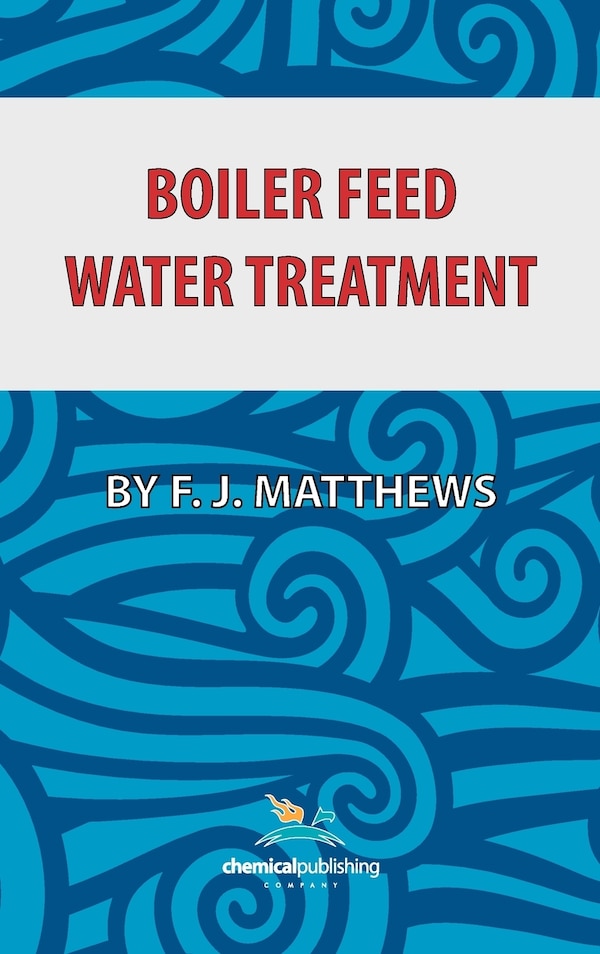
Boiler Feed Water Treatment 3rd Ed by F J Matthews, Hardcover | Indigo Chapters in Vernon, BC
By F J Matthews
Current price: $318.50
Coles
Boiler Feed Water Treatment 3rd Ed by F J Matthews, Hardcover | Indigo Chapters in Vernon, BC
By F J Matthews
Current price: $318.50
Loading Inventory...
Size: 0.56 x 9 x 1.06
*Product information may vary - to confirm product availability, pricing, shipping and return information please contact Coles
Contents - PART 1. NATURAL WATER SUPPLIES - Rain water - Surface water - River water - Spring water - Well water - Canal water - Pit water - Effects of drought - Condensate as feed water - Water blending - PART 2. SCALE FORMATION - Effect of scale - Lime-soda process - Hot lime-soda softening - General notes on plant - Nuclear precipitation - Caustic soda softening - Sodium aluminate with lime-soda treatment - Zeolite or base-exchange softeners - Partial Zeolite softening - Hydrogen and demineralizing zeolites - Lime-base exchange treatment - The B. B.A. dejector - Lime-Barium softeners - Necessity for conditioning boiler feed - Colloidal conditioning- Mechanism of scale formation - Carbonate and phosphate conditioning - Use of metaphosphate and pyrophosphate - Budenheim phosphate treatment - Silica scales and deposits - Turbine blade deposits - Potassium treatment - Chlorination of condenser cooling water - Scale formation in cooling water systems - Scale formation in economizers - Electrical scale prevention - Removal of scales and deposits - PART 3. CORROSION - Early theories of corrosion- Corrosion by differential aeration - Dissolved oxygen Deaeration by chemical methods - Deaeration by physical methods - Corrosion due to unstable salts - Danger of soft water Corrosion by carbon dioxide - Superheater and turbine corrosion - Economizer corrosion- The treatment of alkaline waters - Caustic embrittlement - Hydrogen ion concentration - Determination of pH values - Hydrogen ions and corrosion - Coagulation control - Softening plant control - Boiler water recirculation - Electrical methods of preventing corrosion - PART 4. FOAMING AND PRIMING - Causes of priming - Balanced layer film formation - Foam stabilization - Prevention of priming - Blow-down control - Intermittent blow-down - Continuous blow-down systems - Use of condensate and blending of waters - Removal of oil from water - Methods of de-oiling water - PART 5. ANALYSIS AND ROUTINE TESTING - Sampling- Standard solutions - Frequency of analyses - Units - Control tests for softening - Raw water - Chemicals required for treatment - Control tests for softening - Treated water - Tests for carbonate and phosphate conditioning - Dissolved oxygen - Blow-down testing - Embrittlement ratios - General water analysis - Analysis of scales- Residual chlorine - Tannins - Appendix - Index - Standard solutions - Reagents-Clark's table of hardnesses - Chemical factors - Conversion tables - Summary of recommended practice - | Boiler Feed Water Treatment 3rd Ed by F J Matthews, Hardcover | Indigo Chapters
Contents - PART 1. NATURAL WATER SUPPLIES - Rain water - Surface water - River water - Spring water - Well water - Canal water - Pit water - Effects of drought - Condensate as feed water - Water blending - PART 2. SCALE FORMATION - Effect of scale - Lime-soda process - Hot lime-soda softening - General notes on plant - Nuclear precipitation - Caustic soda softening - Sodium aluminate with lime-soda treatment - Zeolite or base-exchange softeners - Partial Zeolite softening - Hydrogen and demineralizing zeolites - Lime-base exchange treatment - The B. B.A. dejector - Lime-Barium softeners - Necessity for conditioning boiler feed - Colloidal conditioning- Mechanism of scale formation - Carbonate and phosphate conditioning - Use of metaphosphate and pyrophosphate - Budenheim phosphate treatment - Silica scales and deposits - Turbine blade deposits - Potassium treatment - Chlorination of condenser cooling water - Scale formation in cooling water systems - Scale formation in economizers - Electrical scale prevention - Removal of scales and deposits - PART 3. CORROSION - Early theories of corrosion- Corrosion by differential aeration - Dissolved oxygen Deaeration by chemical methods - Deaeration by physical methods - Corrosion due to unstable salts - Danger of soft water Corrosion by carbon dioxide - Superheater and turbine corrosion - Economizer corrosion- The treatment of alkaline waters - Caustic embrittlement - Hydrogen ion concentration - Determination of pH values - Hydrogen ions and corrosion - Coagulation control - Softening plant control - Boiler water recirculation - Electrical methods of preventing corrosion - PART 4. FOAMING AND PRIMING - Causes of priming - Balanced layer film formation - Foam stabilization - Prevention of priming - Blow-down control - Intermittent blow-down - Continuous blow-down systems - Use of condensate and blending of waters - Removal of oil from water - Methods of de-oiling water - PART 5. ANALYSIS AND ROUTINE TESTING - Sampling- Standard solutions - Frequency of analyses - Units - Control tests for softening - Raw water - Chemicals required for treatment - Control tests for softening - Treated water - Tests for carbonate and phosphate conditioning - Dissolved oxygen - Blow-down testing - Embrittlement ratios - General water analysis - Analysis of scales- Residual chlorine - Tannins - Appendix - Index - Standard solutions - Reagents-Clark's table of hardnesses - Chemical factors - Conversion tables - Summary of recommended practice - | Boiler Feed Water Treatment 3rd Ed by F J Matthews, Hardcover | Indigo Chapters
You May Also Like

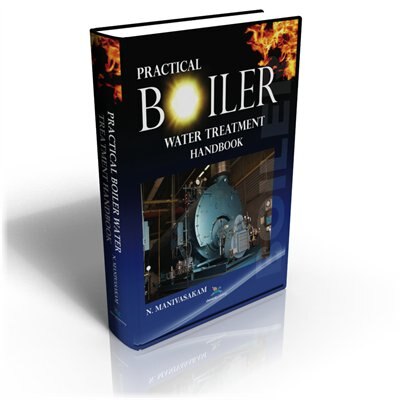
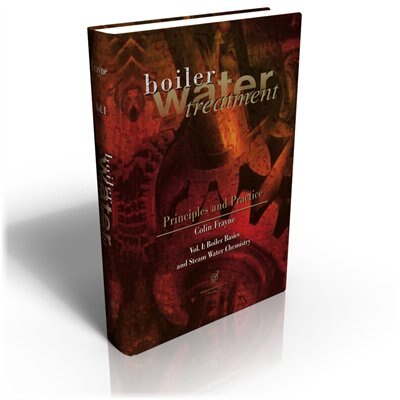
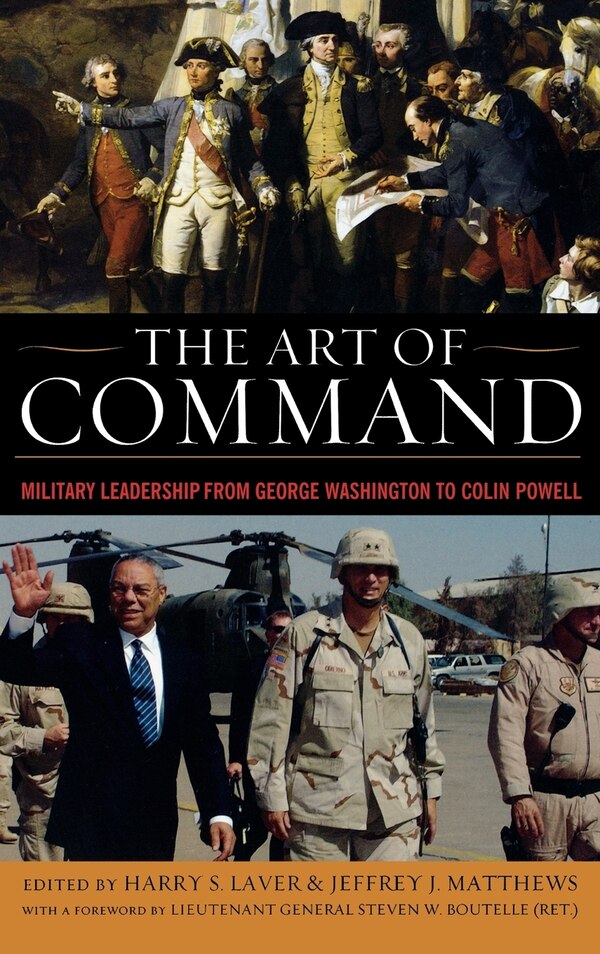










More About Coles at Village Green Shopping Centre
Find everything in-store including new, used and children’s books, music, movies, games and toys. Visit Coles today to find the perfect gift, or a novel for yourself. COVID-19 UPDATE: Open | Regular Centre Hours
Store Info
Find Coles at Village Green Shopping Centre in Vernon, BC
Visit Coles at Village Green Shopping Centre in Vernon, BC