

Choice Made Simple!
Too many options?Click below to purchase an online gift card that can be used at participating retailers in Village Green Shopping Centre and continue your shopping IN CENTRE!Purchase HereHome
Body 2.0: The Engineering Revolution Medicine
Coles
Loading Inventory...
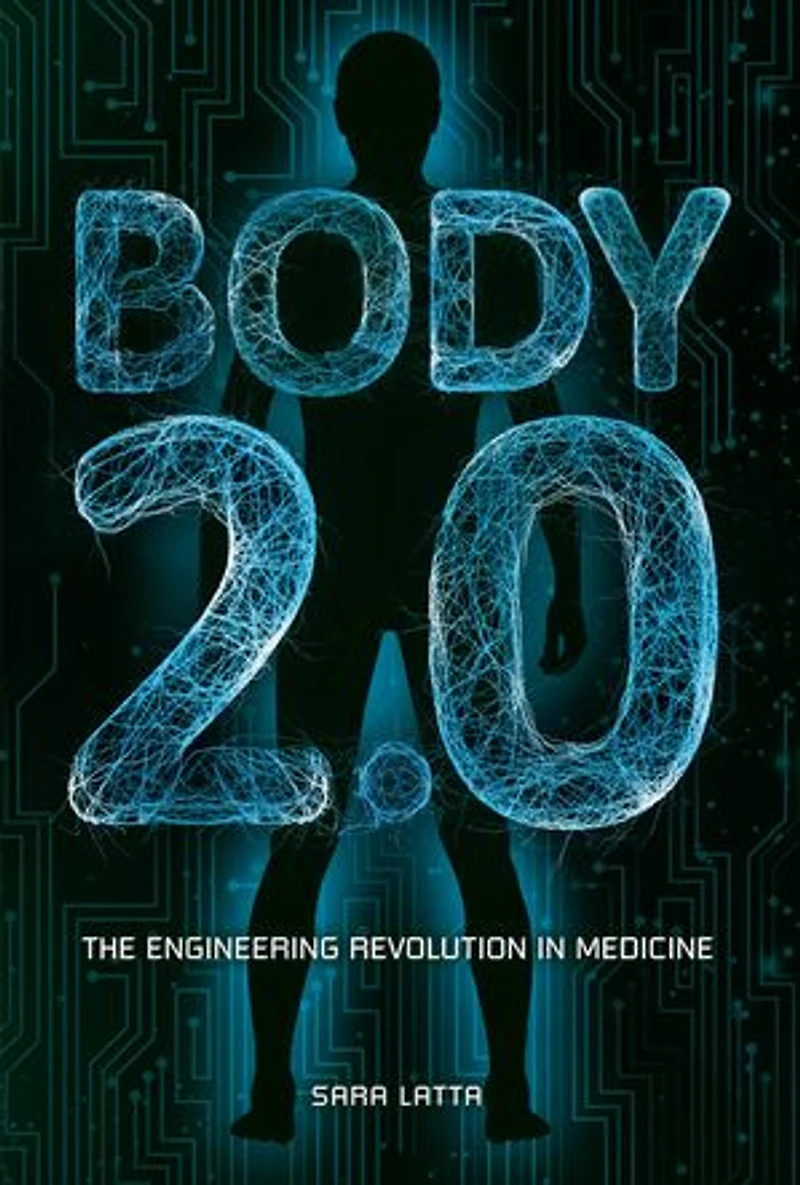
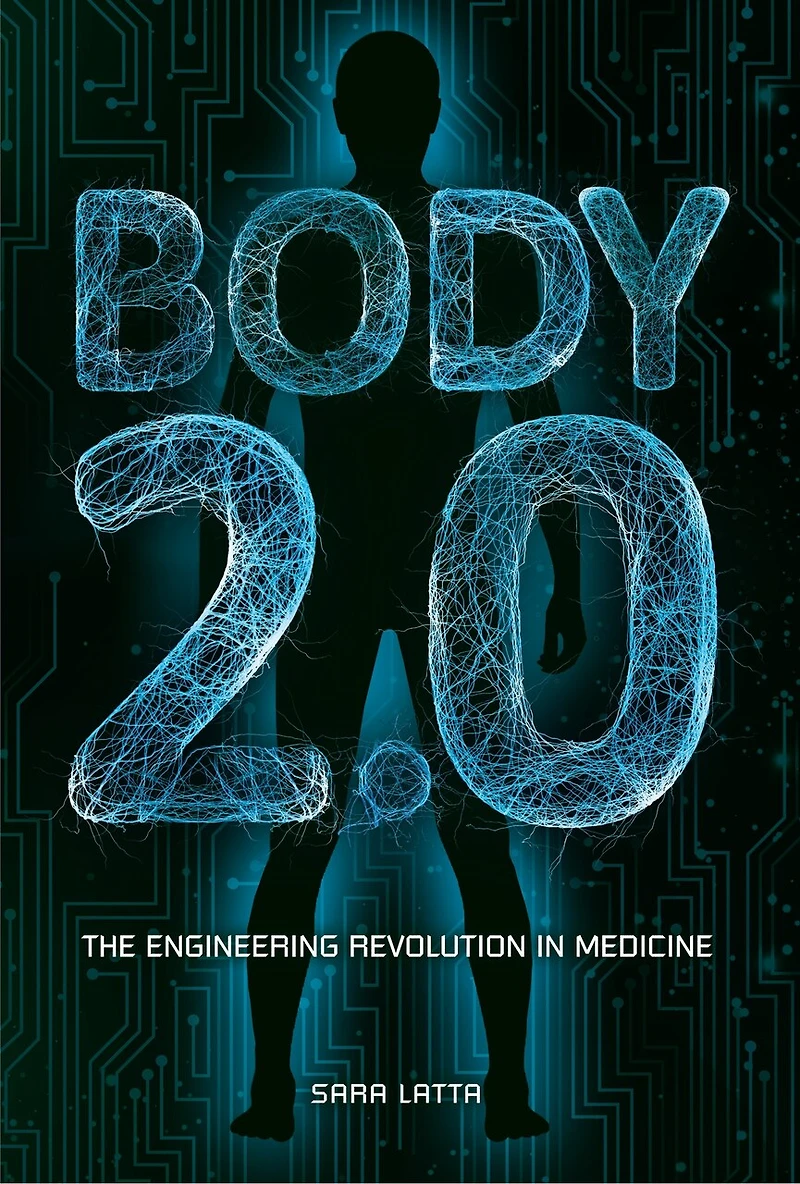
Body 2.0: The Engineering Revolution Medicine in Vernon, BC
By None
Current price: $10.89
Original price: $13.56
Coles
Body 2.0: The Engineering Revolution Medicine in Vernon, BC
By None
Current price: $10.89
Original price: $13.56
Loading Inventory...
Size: Kobo eBook
*Product information may vary - to confirm product availability, pricing, shipping and return information please contact Coles
Scientists are on the verge of a revolution in biomedical engineering that will forever change the way we think about medicine, even life itself.
Biomedical engineering isn't new. Humans have been tinkering with ways to supplement, repair, or replace body parts for thousands of years. The oldest known prosthesis, a wooden toe, was found on an ancient Egyptian mummy. But now, cutting-edge researchers are working to build body organs and tissue in the lab. They are developing ways to encourage the body to regenerate damaged or diseased bone and muscle tissue. Scientists are striving to re-route visual stimuli to the brain to help blind people see. They may soon discover methods to enlist the trillions of microbes living in our bodies to help us fight disease. Learn about four strands of bioengineering—tissue engineering and regenerative medicine, neuroengineering, microbial science, and genetic engineering and synthetic biology—and meet scientists working in these fields.
Scientists are on the verge of a revolution in biomedical engineering that will forever change the way we think about medicine, even life itself.
Biomedical engineering isn't new. Humans have been tinkering with ways to supplement, repair, or replace body parts for thousands of years. The oldest known prosthesis, a wooden toe, was found on an ancient Egyptian mummy. But now, cutting-edge researchers are working to build body organs and tissue in the lab. They are developing ways to encourage the body to regenerate damaged or diseased bone and muscle tissue. Scientists are striving to re-route visual stimuli to the brain to help blind people see. They may soon discover methods to enlist the trillions of microbes living in our bodies to help us fight disease. Learn about four strands of bioengineering—tissue engineering and regenerative medicine, neuroengineering, microbial science, and genetic engineering and synthetic biology—and meet scientists working in these fields.
You May Also Like









More About Coles at Village Green Shopping Centre
Find everything in-store including new, used and children’s books, music, movies, games and toys. Visit Coles today to find the perfect gift, or a novel for yourself. COVID-19 UPDATE: Open | Regular Centre Hours
Store Info
Find Coles at Village Green Shopping Centre in Vernon, BC
Visit Coles at Village Green Shopping Centre in Vernon, BC