

Choice Made Simple!
Too many options?Click below to purchase an online gift card that can be used at participating retailers in Village Green Shopping Centre and continue your shopping IN CENTRE!Purchase HereHome
Bioprospects of Macrofungi: Recent Developments
Coles
Loading Inventory...
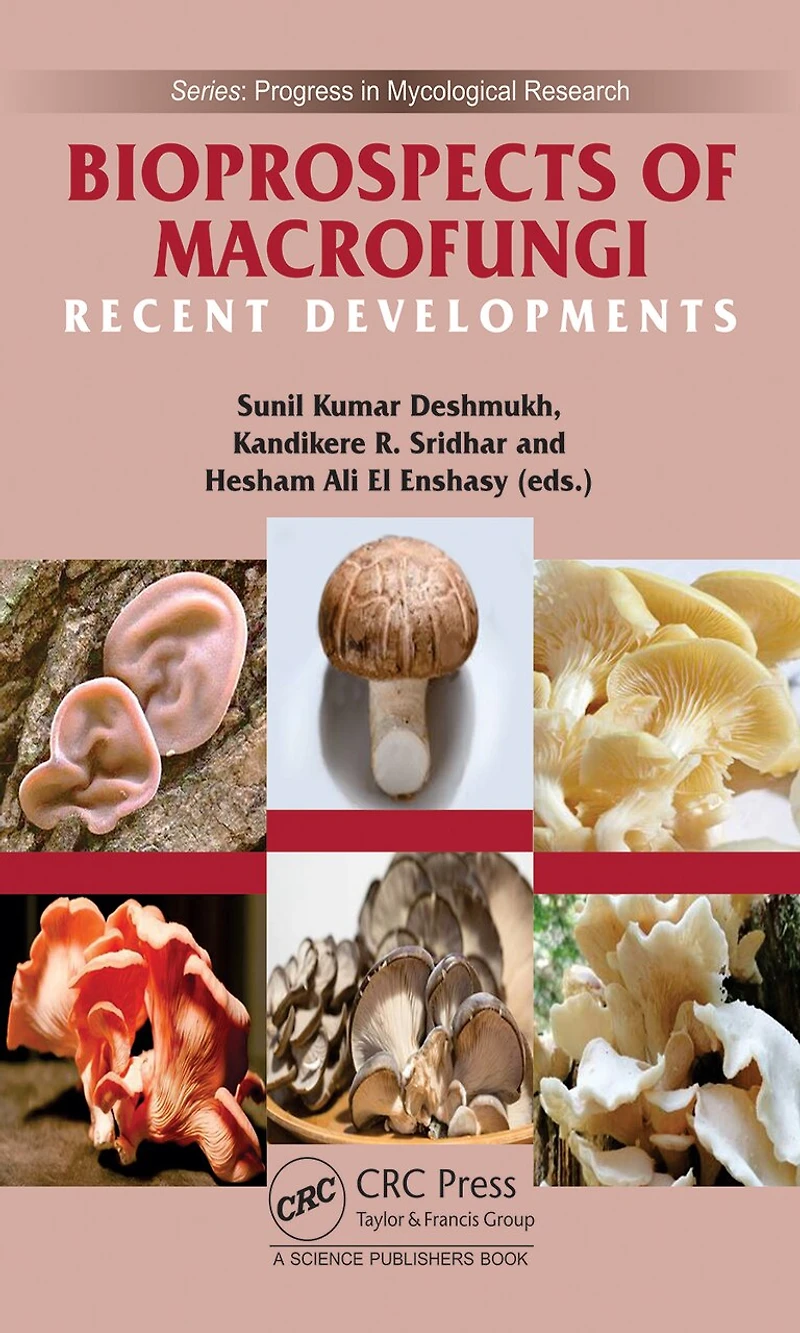
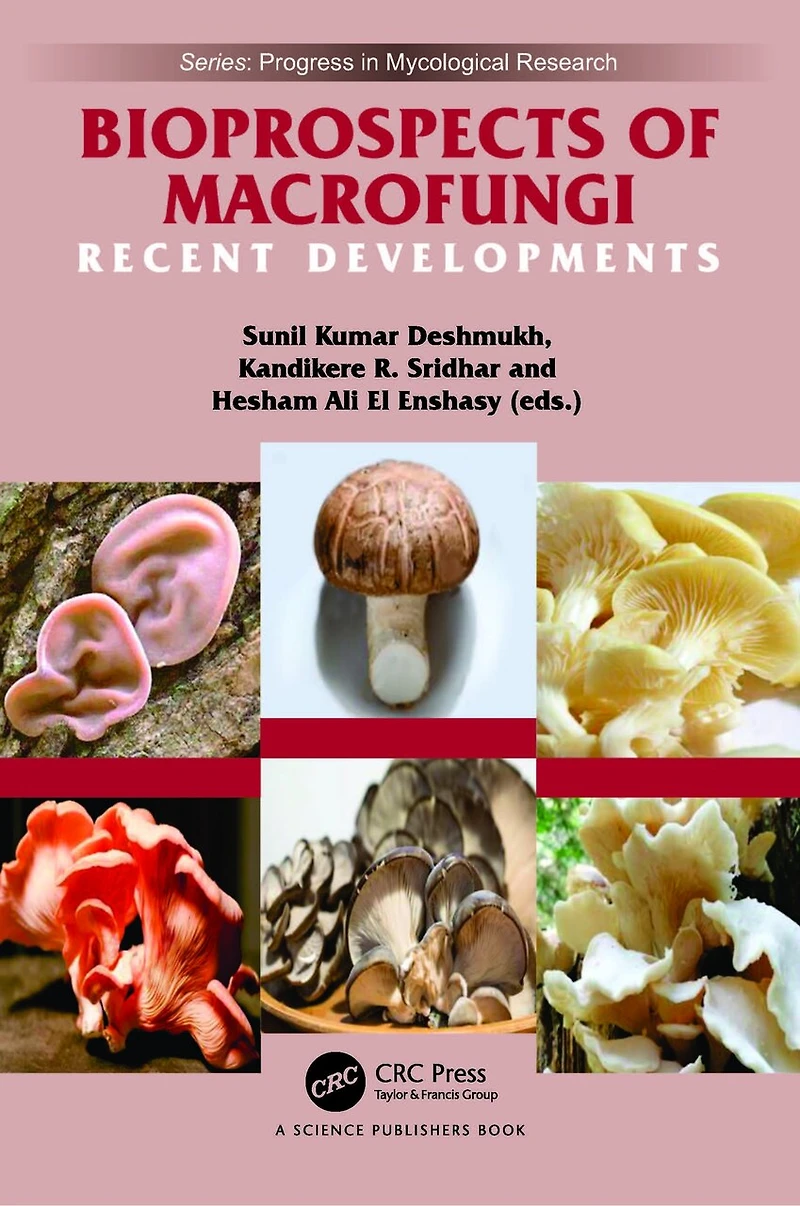
Bioprospects of Macrofungi: Recent Developments in Vernon, BC
By None
Current price: $266.50
Coles
Bioprospects of Macrofungi: Recent Developments in Vernon, BC
By None
Current price: $266.50
Loading Inventory...
Size: Hardcover
*Product information may vary - to confirm product availability, pricing, shipping and return information please contact Coles
The discipline of mycology is a fascinating one. It has a major influence on the nutrition, health and environmental safety of mankind. Cultivation of edible and non-edible mushrooms for nutrition, pharmaceuticals, biopolymers and biocomposites will open up new avenues in research as well as the more profitable utilization of agricultural residues. Cultivation and of domesticated and wild mushrooms poses a challenge to fulfill the needs of human/animal nutrition and utilization of agrowastes tangibly. Cultivation of ectomycorrhizal fungi benefits nutrition as well as plant protection. Macrofungi are the major source of several metabolites of nutritional, health, agricultural and industrial significance (e.g., antioxidants, antimicrobials and pigments). Macrofungal bio composites provide alternatives to the use of animal-derived or plant-derived products (e.g., nanopapers, leather and packaging materials). They serve a dual role in providing nutrition and pharmaceuticals (nutraceuticals) to humans as well as livestock. Macrofungi interact with insects symbiotically (e.g., Termitomyces with termites) and provide delicious nutraceutical product. They also control insects by infecting and producing pharmaceutically and metabolite-rich products (e.g., Cordyceps attacks insects). Macrofungi have a strong potential to control pathogens like nematodes in soil (bioremediation). They are also useful as biofertilizers to meet the needs of plant nutrition. The book outlines current advances in macrofungal technology. It highlights different facets of macrofungal cultivation, bioactive compounds, biocomposites, nutraceuticals, benefits with interaction with insects, application as biofertilizers and ecosystem services like bioremediation.
The discipline of mycology is a fascinating one. It has a major influence on the nutrition, health and environmental safety of mankind. Cultivation of edible and non-edible mushrooms for nutrition, pharmaceuticals, biopolymers and biocomposites will open up new avenues in research as well as the more profitable utilization of agricultural residues. Cultivation and of domesticated and wild mushrooms poses a challenge to fulfill the needs of human/animal nutrition and utilization of agrowastes tangibly. Cultivation of ectomycorrhizal fungi benefits nutrition as well as plant protection. Macrofungi are the major source of several metabolites of nutritional, health, agricultural and industrial significance (e.g., antioxidants, antimicrobials and pigments). Macrofungal bio composites provide alternatives to the use of animal-derived or plant-derived products (e.g., nanopapers, leather and packaging materials). They serve a dual role in providing nutrition and pharmaceuticals (nutraceuticals) to humans as well as livestock. Macrofungi interact with insects symbiotically (e.g., Termitomyces with termites) and provide delicious nutraceutical product. They also control insects by infecting and producing pharmaceutically and metabolite-rich products (e.g., Cordyceps attacks insects). Macrofungi have a strong potential to control pathogens like nematodes in soil (bioremediation). They are also useful as biofertilizers to meet the needs of plant nutrition. The book outlines current advances in macrofungal technology. It highlights different facets of macrofungal cultivation, bioactive compounds, biocomposites, nutraceuticals, benefits with interaction with insects, application as biofertilizers and ecosystem services like bioremediation.
You May Also Like


















More About Coles at Village Green Shopping Centre
Find everything in-store including new, used and children’s books, music, movies, games and toys. Visit Coles today to find the perfect gift, or a novel for yourself. COVID-19 UPDATE: Open | Regular Centre Hours
Store Info
Find Coles at Village Green Shopping Centre in Vernon, BC
Visit Coles at Village Green Shopping Centre in Vernon, BC