

Choice Made Simple!
Too many options?Click below to purchase an online gift card that can be used at participating retailers in Village Green Shopping Centre and continue your shopping IN CENTRE!Purchase HereHome
Beyond the antislavery haven: Slavery early Canadian print culture, 1789–1889
Coles
Loading Inventory...
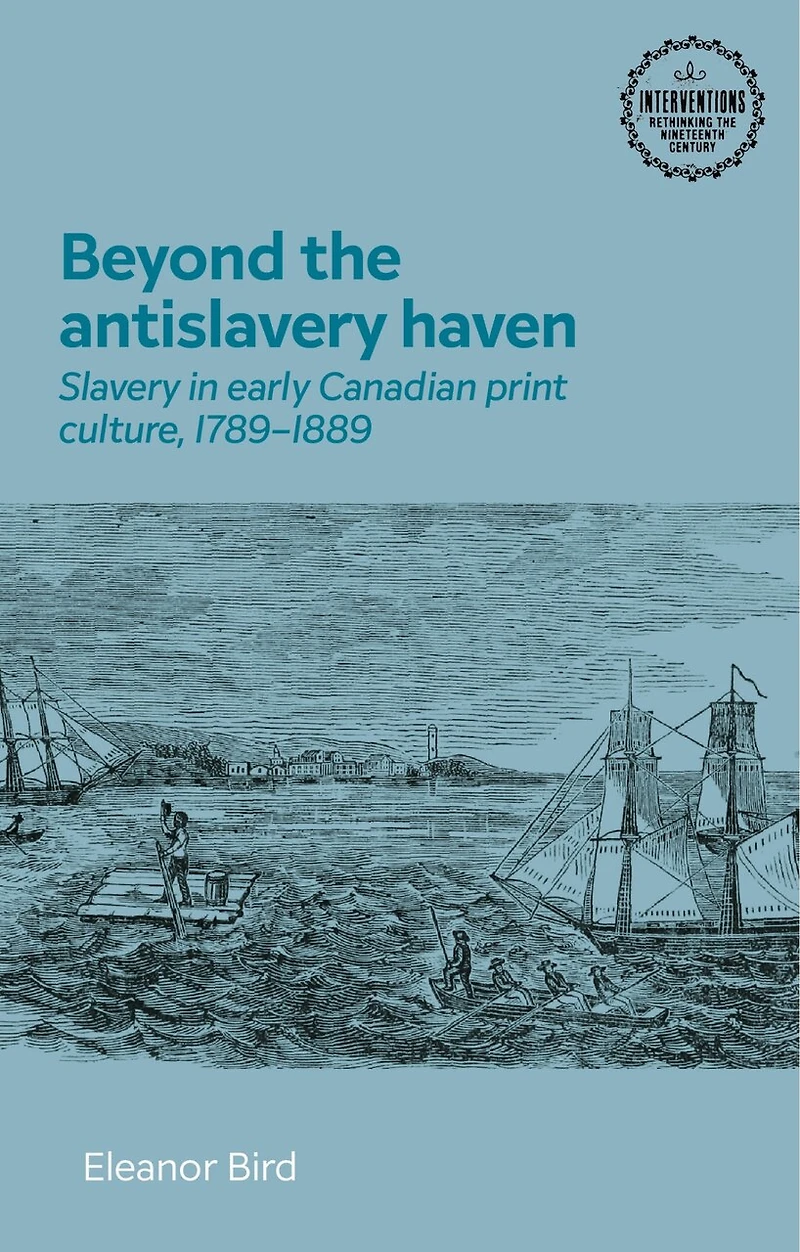
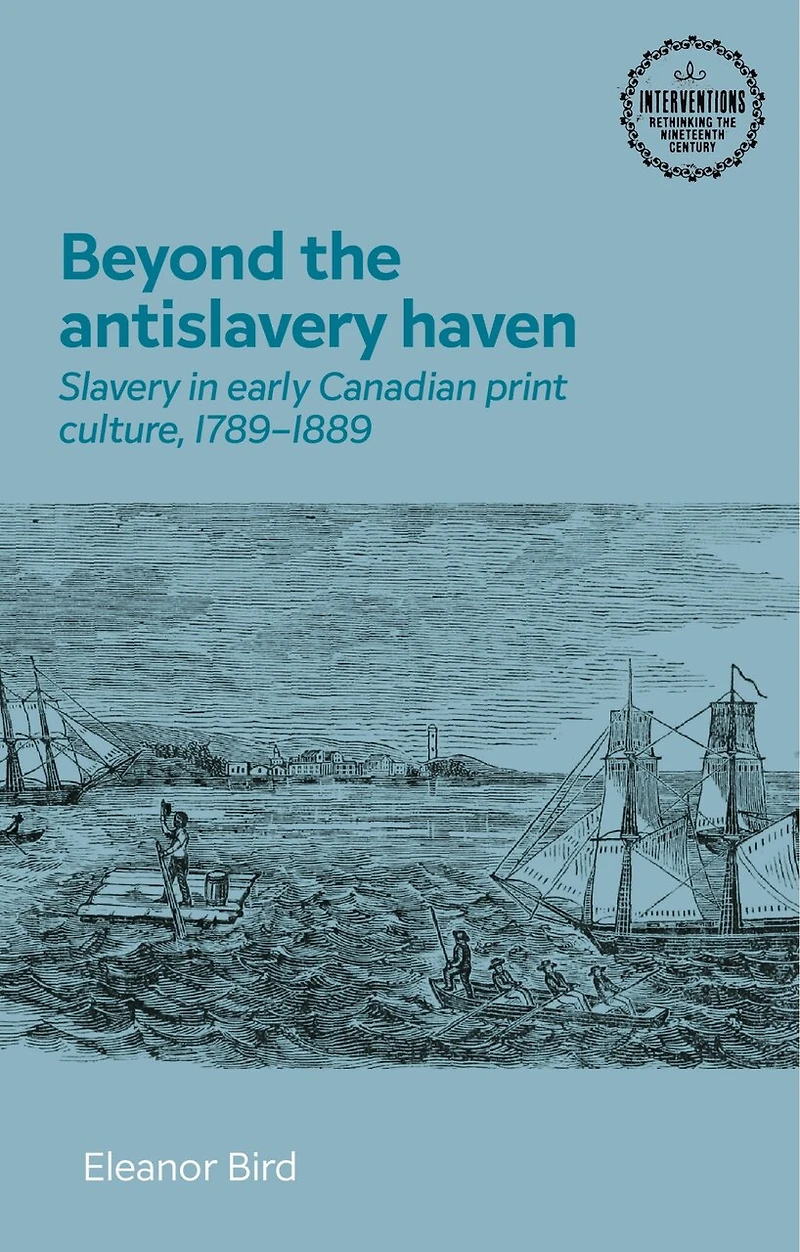
Beyond the antislavery haven: Slavery early Canadian print culture, 1789–1889 in Vernon, BC
By None
Current price: $170.00
Coles
Beyond the antislavery haven: Slavery early Canadian print culture, 1789–1889 in Vernon, BC
By None
Current price: $170.00
Loading Inventory...
Size: Hardcover
*Product information may vary - to confirm product availability, pricing, shipping and return information please contact Coles
This book challenges the idealised narrative of Canada as an antislavery haven for self-liberated people to explore Canada’s complicated relationship with slavery. Examining advertisements, abolitionist texts and narratives about slavery in Canadian newspapers and the texts that were printed alongside them, it shows how Canadian readers and enslavers developed an image of themselves as belonging to an antislavery community even while recognising their own complicity in slavery. The book explores narratives that depict the lives of Black settlers in Canada and how slave narratives circulated in Canada. Canada’s relationship with slavery is far more complicated than seeing it as either an antislavery haven or a slaveholding space. Canada was connected to Britain, France, the Caribbean and the United States and this was central to how Canadians and Canadian readers fashioned their self-image in relation to slavery.
This book challenges the idealised narrative of Canada as an antislavery haven for self-liberated people to explore Canada’s complicated relationship with slavery. Examining advertisements, abolitionist texts and narratives about slavery in Canadian newspapers and the texts that were printed alongside them, it shows how Canadian readers and enslavers developed an image of themselves as belonging to an antislavery community even while recognising their own complicity in slavery. The book explores narratives that depict the lives of Black settlers in Canada and how slave narratives circulated in Canada. Canada’s relationship with slavery is far more complicated than seeing it as either an antislavery haven or a slaveholding space. Canada was connected to Britain, France, the Caribbean and the United States and this was central to how Canadians and Canadian readers fashioned their self-image in relation to slavery.
You May Also Like














More About Coles at Village Green Shopping Centre
Find everything in-store including new, used and children’s books, music, movies, games and toys. Visit Coles today to find the perfect gift, or a novel for yourself. COVID-19 UPDATE: Open | Regular Centre Hours
Store Info
Find Coles at Village Green Shopping Centre in Vernon, BC
Visit Coles at Village Green Shopping Centre in Vernon, BC