

Choice Made Simple!
Too many options?Click below to purchase an online gift card that can be used at participating retailers in Village Green Shopping Centre and continue your shopping IN CENTRE!Purchase HereHome
Below-ground Interactions in Agroecosystems
Coles
Loading Inventory...
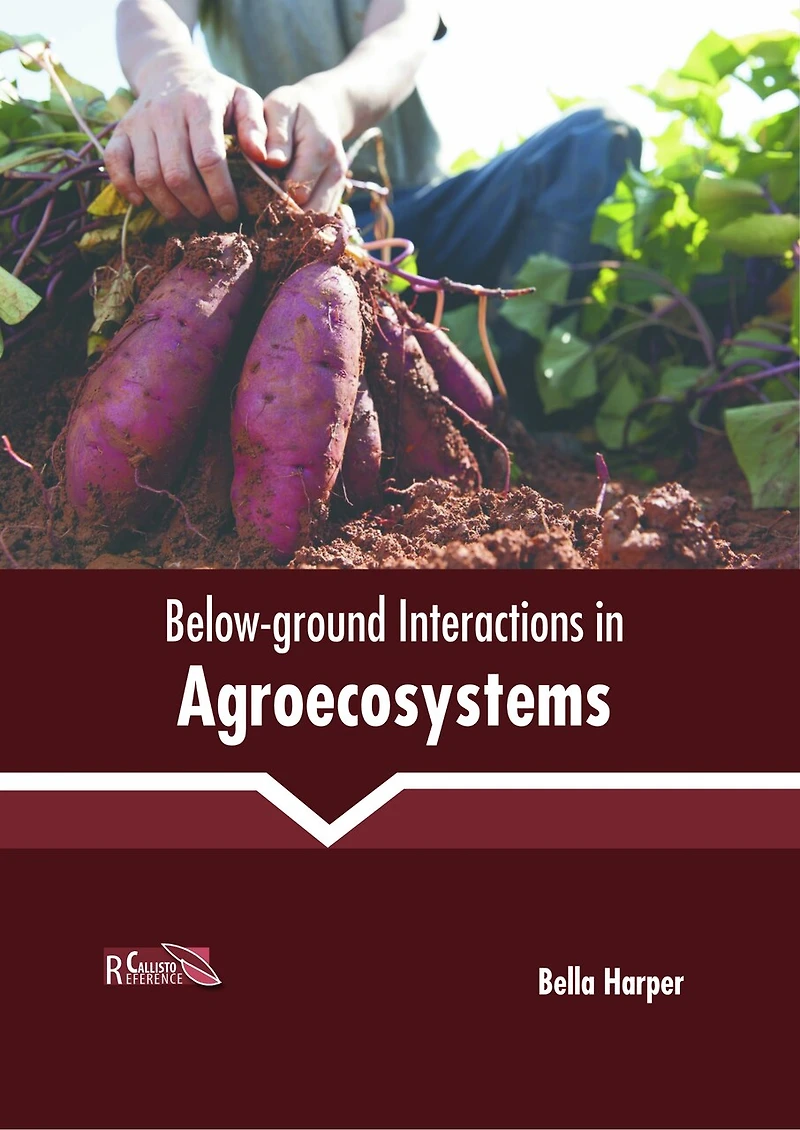
Below-ground Interactions in Agroecosystems in Vernon, BC
By None
Current price: $202.95
Coles
Below-ground Interactions in Agroecosystems in Vernon, BC
By None
Current price: $202.95
Loading Inventory...
Size: Hardcover
*Product information may vary - to confirm product availability, pricing, shipping and return information please contact Coles
Agroecosystems represent the dynamic interaction between agricultural activities and the environment. Below-ground interactions in agroecosystems involve a complex network of interactions among soul organisms, plant roots and the physical and chemical properties of the soil. These interactions are crucial for plant health, nutrient cycling, soil structure and overall ecosystem functioning. Plant roots absorb water and nutrients while releasing root exudates that influence microbial communities. Symbiotic relationships, like those with mycorrhizal fungi and nitrogen-fixing bacteria, enhance nutrient uptake and soil fertility. Soil fauna, such as earthworms and nematoes, contribute to nutrient cycling and soil structure. Decomposers break down organic matter, releasing nutrients back into the soil. This book contains some path-breaking studies in the field of below-ground interactions in agroecosystems. It traces the progress of this field and highlights some of its key concepts and applications. Through this book, we attempt to further enlighten the readers about this discipline.
Agroecosystems represent the dynamic interaction between agricultural activities and the environment. Below-ground interactions in agroecosystems involve a complex network of interactions among soul organisms, plant roots and the physical and chemical properties of the soil. These interactions are crucial for plant health, nutrient cycling, soil structure and overall ecosystem functioning. Plant roots absorb water and nutrients while releasing root exudates that influence microbial communities. Symbiotic relationships, like those with mycorrhizal fungi and nitrogen-fixing bacteria, enhance nutrient uptake and soil fertility. Soil fauna, such as earthworms and nematoes, contribute to nutrient cycling and soil structure. Decomposers break down organic matter, releasing nutrients back into the soil. This book contains some path-breaking studies in the field of below-ground interactions in agroecosystems. It traces the progress of this field and highlights some of its key concepts and applications. Through this book, we attempt to further enlighten the readers about this discipline.


















More About Coles at Village Green Shopping Centre
Find everything in-store including new, used and children’s books, music, movies, games and toys. Visit Coles today to find the perfect gift, or a novel for yourself. COVID-19 UPDATE: Open | Regular Centre Hours
Store Info
Find Coles at Village Green Shopping Centre in Vernon, BC
Visit Coles at Village Green Shopping Centre in Vernon, BC