

Choice Made Simple!
Too many options?Click below to purchase an online gift card that can be used at participating retailers in Village Green Shopping Centre and continue your shopping IN CENTRE!Purchase HereHome
Being as Relation in Luce Irigaray
Coles
Loading Inventory...
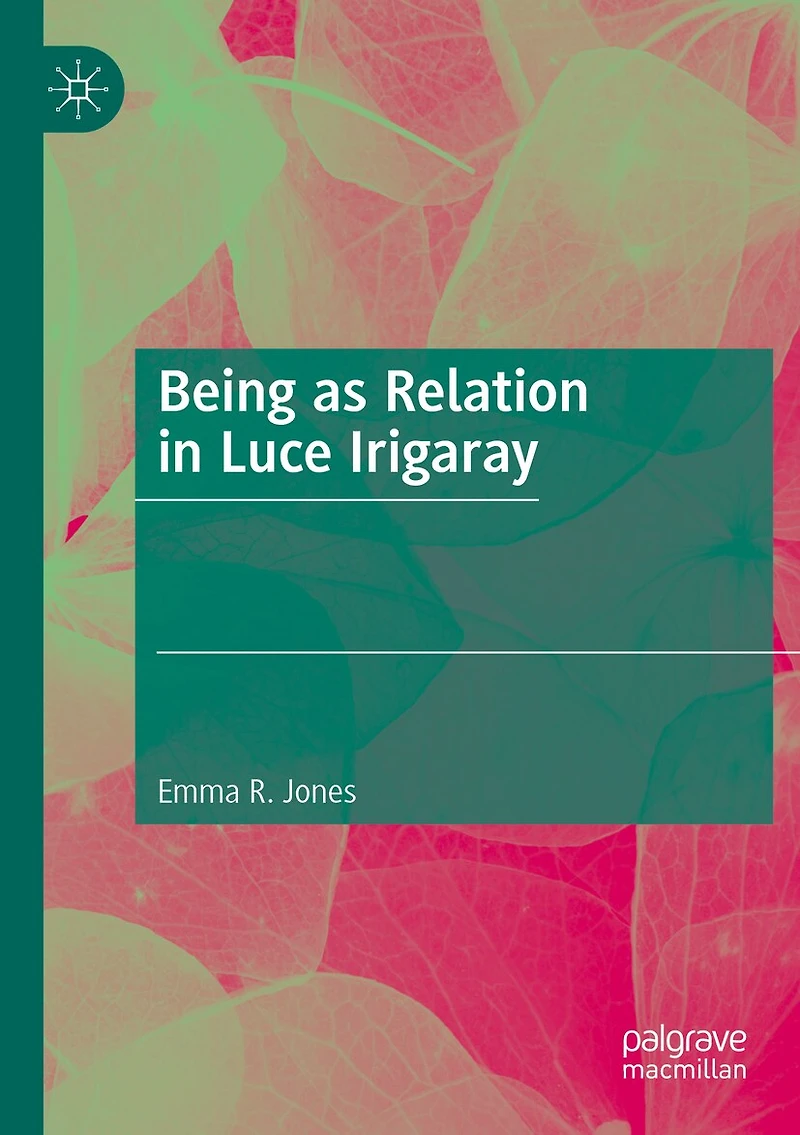
Being as Relation in Luce Irigaray in Vernon, BC
By None
Current price: $204.50
Coles
Being as Relation in Luce Irigaray in Vernon, BC
By None
Current price: $204.50
Loading Inventory...
Size: Paperback
*Product information may vary - to confirm product availability, pricing, shipping and return information please contact Coles
Many scholars have struggled with Irigaray's focus on sexuate difference, in particular with her claim that it is "ontological," wondering if this implies a problematically naïve or essentialist account of sexuate difference. As a result, the ethical vision which Irigaray elaborates has not been taken up in a robust way in the fields of philosophy, feminism, or psychoanalysis.
By tracing the notion of relation throughout Irigaray's work, this book identifies a rigorous philosophical continuity between the three self-identified "phases" in Irigaray's thought (despite some critics' concerns that there is a discontinuity between these phases) and clarifies the relational ontology that underlies Irigaray's conceptualization of sexuate difference - one that always already implies an ethical project.
The text demonstrates that an understanding of Irigaray's Heideggerian inheritance - especially prominent in her later texts - is essential to grasping the sense of the idea that sexuate difference is ontological - it concerns Being, rather than beings. This book further develops potential applications of this ontological notion of a "relational limit" for the fields of philosophy, feminism, and psychotherapy.
Many scholars have struggled with Irigaray's focus on sexuate difference, in particular with her claim that it is "ontological," wondering if this implies a problematically naïve or essentialist account of sexuate difference. As a result, the ethical vision which Irigaray elaborates has not been taken up in a robust way in the fields of philosophy, feminism, or psychoanalysis.
By tracing the notion of relation throughout Irigaray's work, this book identifies a rigorous philosophical continuity between the three self-identified "phases" in Irigaray's thought (despite some critics' concerns that there is a discontinuity between these phases) and clarifies the relational ontology that underlies Irigaray's conceptualization of sexuate difference - one that always already implies an ethical project.
The text demonstrates that an understanding of Irigaray's Heideggerian inheritance - especially prominent in her later texts - is essential to grasping the sense of the idea that sexuate difference is ontological - it concerns Being, rather than beings. This book further develops potential applications of this ontological notion of a "relational limit" for the fields of philosophy, feminism, and psychotherapy.
You May Also Like










More About Coles at Village Green Shopping Centre
Find everything in-store including new, used and children’s books, music, movies, games and toys. Visit Coles today to find the perfect gift, or a novel for yourself. COVID-19 UPDATE: Open | Regular Centre Hours
Store Info
Find Coles at Village Green Shopping Centre in Vernon, BC
Visit Coles at Village Green Shopping Centre in Vernon, BC