

Choice Made Simple!
Too many options?Click below to purchase an online gift card that can be used at participating retailers in Village Green Shopping Centre and continue your shopping IN CENTRE!Purchase HereHome
Artillerists and Engineers pb
Coles
Loading Inventory...
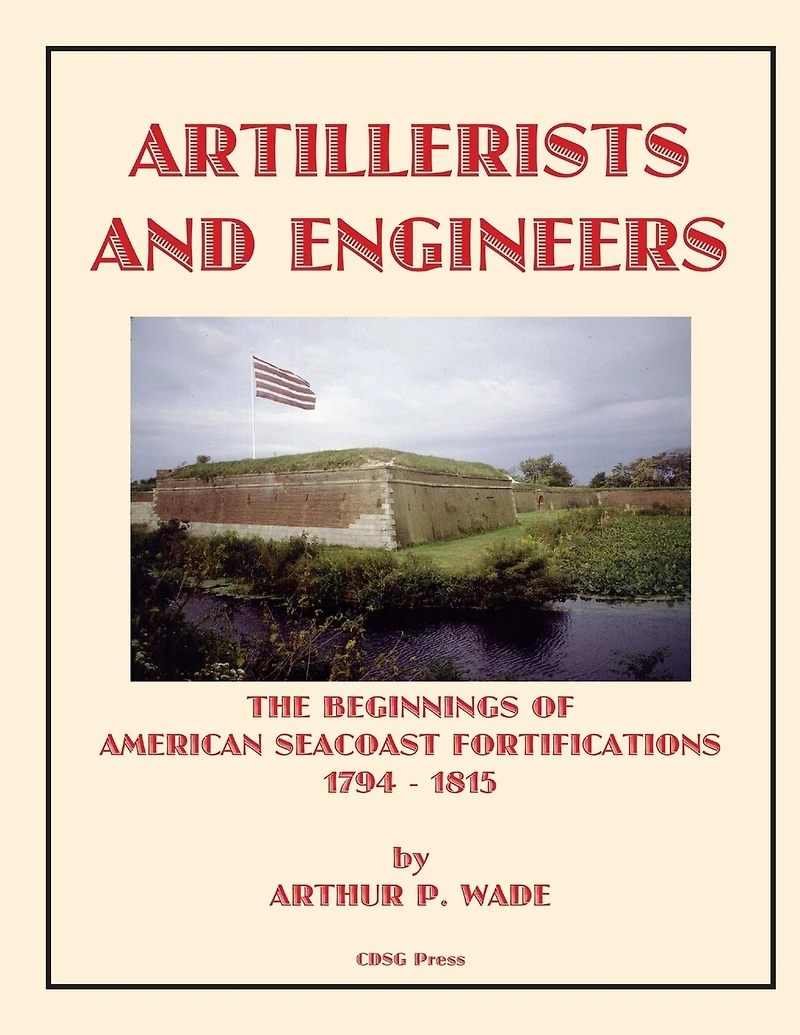
Artillerists and Engineers pb in Vernon, BC
By None
Current price: $32.50
Coles
Artillerists and Engineers pb in Vernon, BC
By None
Current price: $32.50
Loading Inventory...
Size: Paperback
*Product information may vary - to confirm product availability, pricing, shipping and return information please contact Coles
In 1794, faced with possible war with Great Britain, the federal government assumed the responsibility for the construction and manning of seacoast fortifications from Maine to Georgia. Construction was entrusted to French-born engineers, who followed traditional European bastioned designs. In 1806, Britain¹s abuse of neutral maritime rights again threatened war, and Congress appropriated funds for additional seacoast defenses. Almost all of the design and construction of these works was supervised by officers of the Corps of Engineers, most of whom were graduates of the new U.S. Military Academy. On the eve of the outbreak of the War of 1812, the defenses of the Atlantic coast and the Mississippi River below New Orleans were substantially complete, manned by regular troops, and performed well. Due to the effectiveness of these fortifications, the United States embarked on construction of a series of permanent seacoast defense systems in 1816 that lasted through World War II.
In 1794, faced with possible war with Great Britain, the federal government assumed the responsibility for the construction and manning of seacoast fortifications from Maine to Georgia. Construction was entrusted to French-born engineers, who followed traditional European bastioned designs. In 1806, Britain¹s abuse of neutral maritime rights again threatened war, and Congress appropriated funds for additional seacoast defenses. Almost all of the design and construction of these works was supervised by officers of the Corps of Engineers, most of whom were graduates of the new U.S. Military Academy. On the eve of the outbreak of the War of 1812, the defenses of the Atlantic coast and the Mississippi River below New Orleans were substantially complete, manned by regular troops, and performed well. Due to the effectiveness of these fortifications, the United States embarked on construction of a series of permanent seacoast defense systems in 1816 that lasted through World War II.
You May Also Like


















More About Coles at Village Green Shopping Centre
Find everything in-store including new, used and children’s books, music, movies, games and toys. Visit Coles today to find the perfect gift, or a novel for yourself. COVID-19 UPDATE: Open | Regular Centre Hours
Store Info
Find Coles at Village Green Shopping Centre in Vernon, BC
Visit Coles at Village Green Shopping Centre in Vernon, BC