

Choice Made Simple!
Too many options?Click below to purchase an online gift card that can be used at participating retailers in Village Green Shopping Centre and continue your shopping IN CENTRE!Purchase HereHome
Apropos of Something: A History Irrelevance and Relevance
Coles
Loading Inventory...
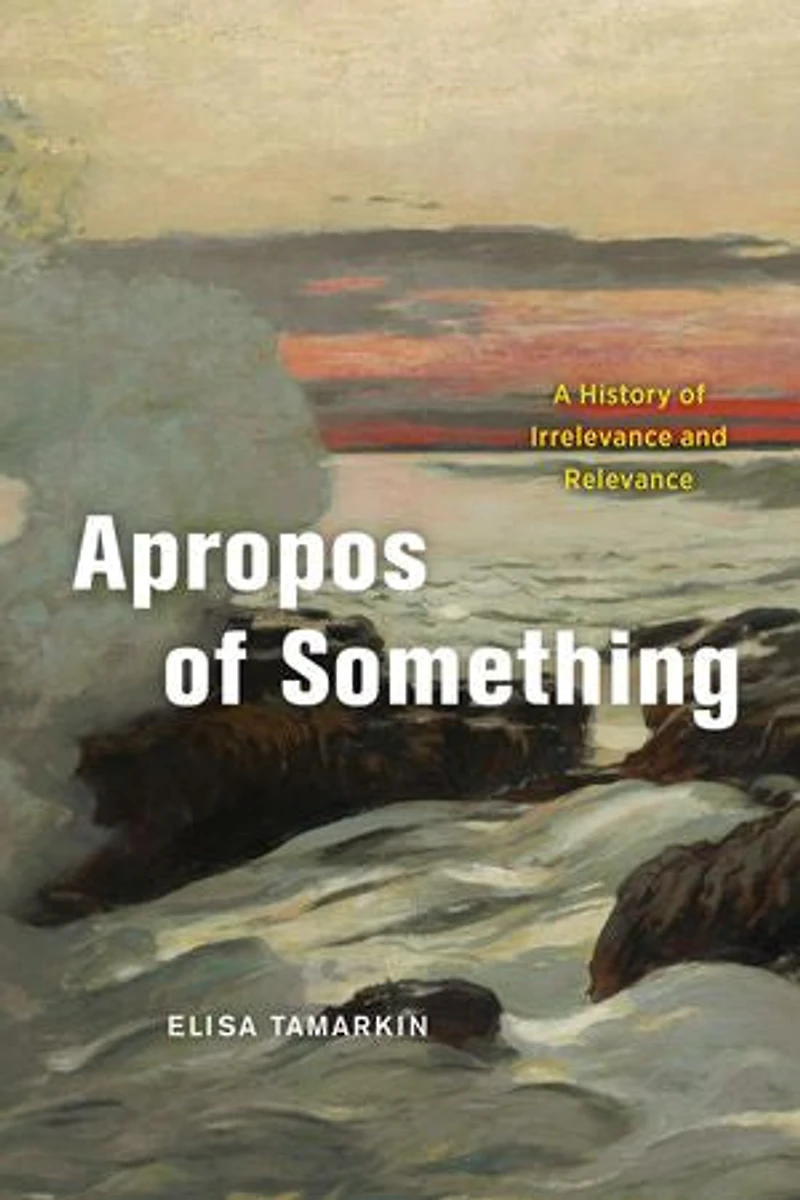
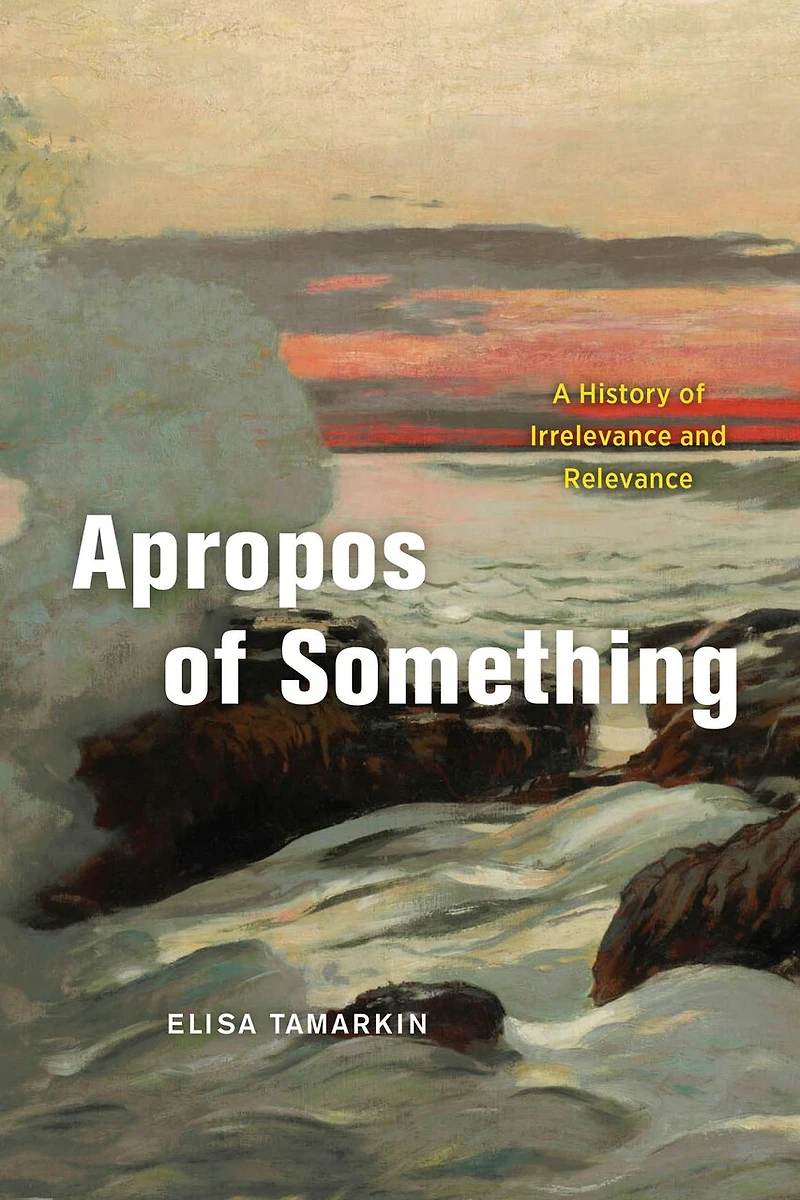
Apropos of Something: A History Irrelevance and Relevance in Vernon, BC
By None
Current price: $17.99
Original price: $21.99
Coles
Apropos of Something: A History Irrelevance and Relevance in Vernon, BC
By None
Current price: $17.99
Original price: $21.99
Loading Inventory...
Size: Kobo eBook
*Product information may vary - to confirm product availability, pricing, shipping and return information please contact Coles
A history of the idea of “relevance” since the nineteenth century in art, criticism, philosophy, logic, and social thought.
Before 1800 nothing was irrelevant. So argues Elisa Tamarkin’s sweeping meditation on a key shift in consciousness: the arrival of relevance as the means to grasp how something that was once disregarded, unvalued, or lost to us becomes interesting and important. When so much makes claims to our attention every day, how do we decide what is most valuable right now?
Relevance, Tamarkin shows, was an Anglo-American concept, derived from a word meaning “to raise or to lift up again,” and also “to give relief.” It engaged major intellectual figures, including Ralph Waldo Emerson and pragmatists and philosophers—William James, Alain Locke, John Dewey, and Alfred North Whitehead—as well as a range of critics, phenomenologists, linguists, and sociologists. Relevance is a struggle for recognition, especially in the worlds of literature, art, and criticism. Poems and paintings in the nineteenth century could now be seen as pragmatic works that make relevance and make interest—that reveal versions of events that feel apropos of our lives the moment we turn to them.
Vividly illustrated with paintings by Winslow Homer, Henry Ossawa Tanner, and others, Apropos of Something is a searching philosophical and poetic study of relevance—a concept calling for shifts in both attention and perceptions of importance with enormous social stakes. It remains an invitation for the humanities and for all of us who feel tasked every day with finding the point .
A history of the idea of “relevance” since the nineteenth century in art, criticism, philosophy, logic, and social thought.
Before 1800 nothing was irrelevant. So argues Elisa Tamarkin’s sweeping meditation on a key shift in consciousness: the arrival of relevance as the means to grasp how something that was once disregarded, unvalued, or lost to us becomes interesting and important. When so much makes claims to our attention every day, how do we decide what is most valuable right now?
Relevance, Tamarkin shows, was an Anglo-American concept, derived from a word meaning “to raise or to lift up again,” and also “to give relief.” It engaged major intellectual figures, including Ralph Waldo Emerson and pragmatists and philosophers—William James, Alain Locke, John Dewey, and Alfred North Whitehead—as well as a range of critics, phenomenologists, linguists, and sociologists. Relevance is a struggle for recognition, especially in the worlds of literature, art, and criticism. Poems and paintings in the nineteenth century could now be seen as pragmatic works that make relevance and make interest—that reveal versions of events that feel apropos of our lives the moment we turn to them.
Vividly illustrated with paintings by Winslow Homer, Henry Ossawa Tanner, and others, Apropos of Something is a searching philosophical and poetic study of relevance—a concept calling for shifts in both attention and perceptions of importance with enormous social stakes. It remains an invitation for the humanities and for all of us who feel tasked every day with finding the point .
You May Also Like







More About Coles at Village Green Shopping Centre
Find everything in-store including new, used and children’s books, music, movies, games and toys. Visit Coles today to find the perfect gift, or a novel for yourself. COVID-19 UPDATE: Open | Regular Centre Hours
Store Info
Find Coles at Village Green Shopping Centre in Vernon, BC
Visit Coles at Village Green Shopping Centre in Vernon, BC