

Choice Made Simple!
Too many options?Click below to purchase an online gift card that can be used at participating retailers in Village Green Shopping Centre and continue your shopping IN CENTRE!Purchase HereHome
Anima and Africa: Jungian Essays on Psyche, Land, and Literature
Coles
Loading Inventory...
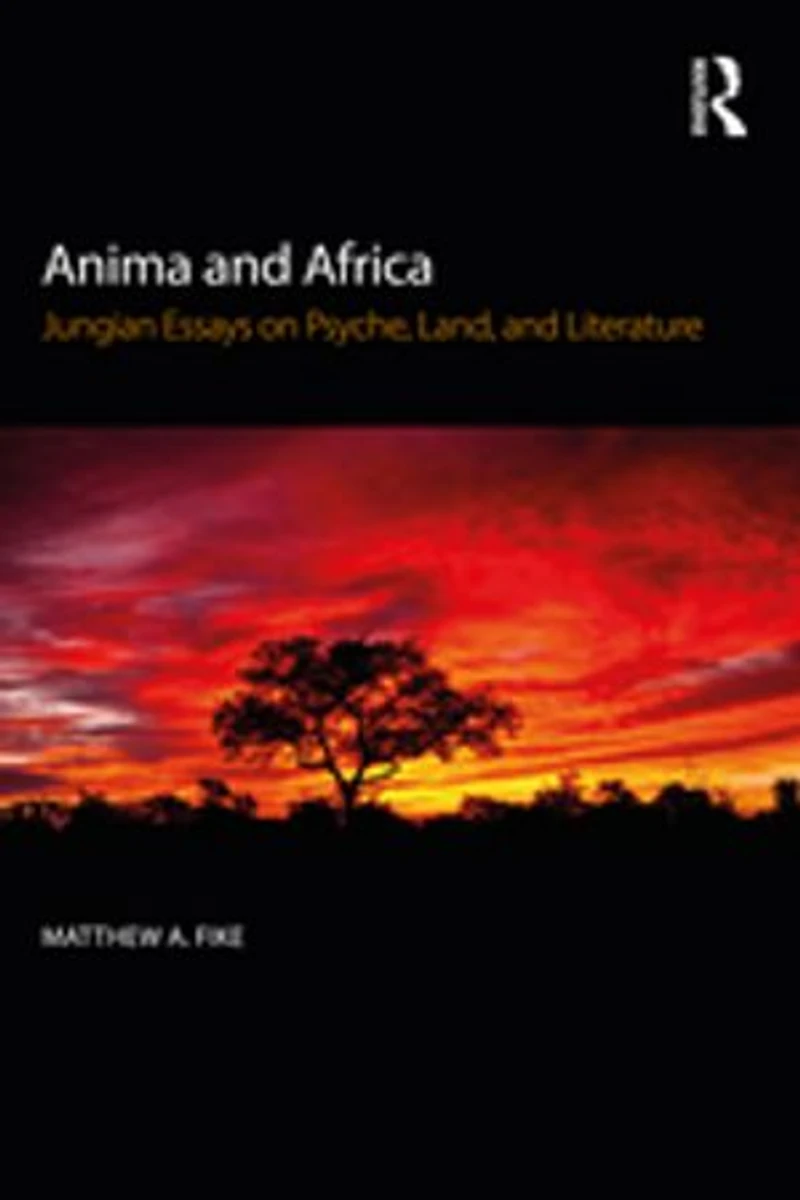
Anima and Africa: Jungian Essays on Psyche, Land, and Literature in Vernon, BC
By None
Current price: $96.35
Coles
Anima and Africa: Jungian Essays on Psyche, Land, and Literature in Vernon, BC
By None
Current price: $96.35
Loading Inventory...
Size: Kobo eBook
*Product information may vary - to confirm product availability, pricing, shipping and return information please contact Coles
C. G. Jung understood the anima in a wide variety of ways but especially as a multifaceted archetype and as a field of energy. In Anima and Africa: Jungian Essays on Psyche, Land, and Literature , Matthew A. Fike uses these principles to analyze male characters in well-known British, American, and African fiction.
Jung wrote frequently about the Kore (maiden, matron, crone) and the "stages of eroticism" (Eve, Mary, Helen, Sophia). The feminine principle’s many aspects resonate throughout the study and are emphasized in the opening chapters on Ernest Hemingway, Henry Rider Haggard, and Olive Schreiner. The anima-as-field can be "tapped" just as the collective unconscious can be reached through nekyia or descent. These processes are discussed in the middle chapters on novels by Laurens van der Post, Doris Lessing, and J. M. Coetzee. The final chapters emphasize the anima’s role in political/colonial dysfunction in novels by Barbara Kingsolver, Chinua Achebe/Nadine Gordimer, and Aphra Behn.
Anima and Africa applies Jung’s African journeys to literary texts, explores his interest in Haggard, and provides fresh insights into van der Post’s late novels. The study discovers Lessing’s use of Jung’s autobiography, deepens the scholarship on Coetzee’s use of Faust , and explores the anima’s relationship to the personal and collective shadow. Itwill be essential reading for academics and scholars of Jungian and post-Jungian studies, literary studies, and postcolonial studies, and will also appeal to analytical psychologists and Jungian psychotherapists in practice and in training.
C. G. Jung understood the anima in a wide variety of ways but especially as a multifaceted archetype and as a field of energy. In Anima and Africa: Jungian Essays on Psyche, Land, and Literature , Matthew A. Fike uses these principles to analyze male characters in well-known British, American, and African fiction.
Jung wrote frequently about the Kore (maiden, matron, crone) and the "stages of eroticism" (Eve, Mary, Helen, Sophia). The feminine principle’s many aspects resonate throughout the study and are emphasized in the opening chapters on Ernest Hemingway, Henry Rider Haggard, and Olive Schreiner. The anima-as-field can be "tapped" just as the collective unconscious can be reached through nekyia or descent. These processes are discussed in the middle chapters on novels by Laurens van der Post, Doris Lessing, and J. M. Coetzee. The final chapters emphasize the anima’s role in political/colonial dysfunction in novels by Barbara Kingsolver, Chinua Achebe/Nadine Gordimer, and Aphra Behn.
Anima and Africa applies Jung’s African journeys to literary texts, explores his interest in Haggard, and provides fresh insights into van der Post’s late novels. The study discovers Lessing’s use of Jung’s autobiography, deepens the scholarship on Coetzee’s use of Faust , and explores the anima’s relationship to the personal and collective shadow. Itwill be essential reading for academics and scholars of Jungian and post-Jungian studies, literary studies, and postcolonial studies, and will also appeal to analytical psychologists and Jungian psychotherapists in practice and in training.
You May Also Like







More About Coles at Village Green Shopping Centre
Find everything in-store including new, used and children’s books, music, movies, games and toys. Visit Coles today to find the perfect gift, or a novel for yourself. COVID-19 UPDATE: Open | Regular Centre Hours
Store Info
Find Coles at Village Green Shopping Centre in Vernon, BC
Visit Coles at Village Green Shopping Centre in Vernon, BC