

Choice Made Simple!
Too many options?Click below to purchase an online gift card that can be used at participating retailers in Village Green Shopping Centre and continue your shopping IN CENTRE!Purchase HereHome
Ancient Battle Formations
Coles
Loading Inventory...
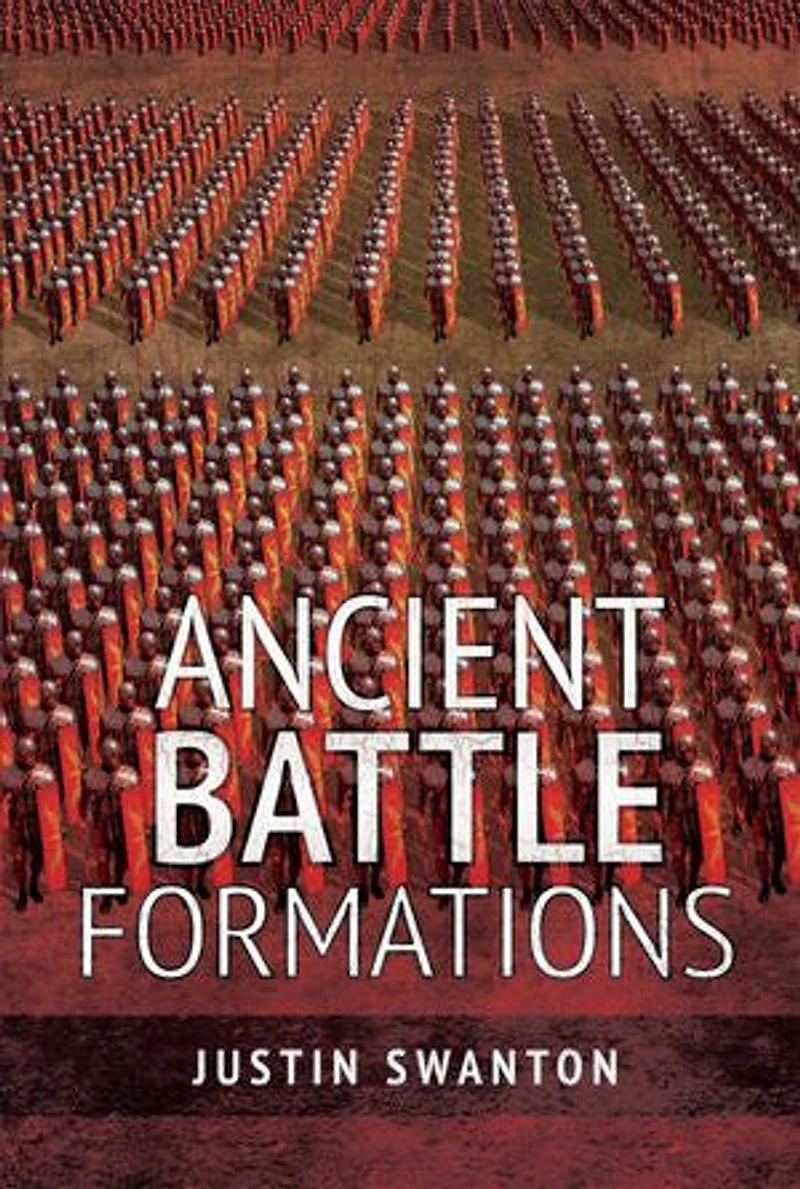
Ancient Battle Formations in Vernon, BC
By None
Current price: $17.59
Original price: $21.99
Coles
Ancient Battle Formations in Vernon, BC
By None
Current price: $17.59
Original price: $21.99
Loading Inventory...
Size: Kobo eBook
*Product information may vary - to confirm product availability, pricing, shipping and return information please contact Coles
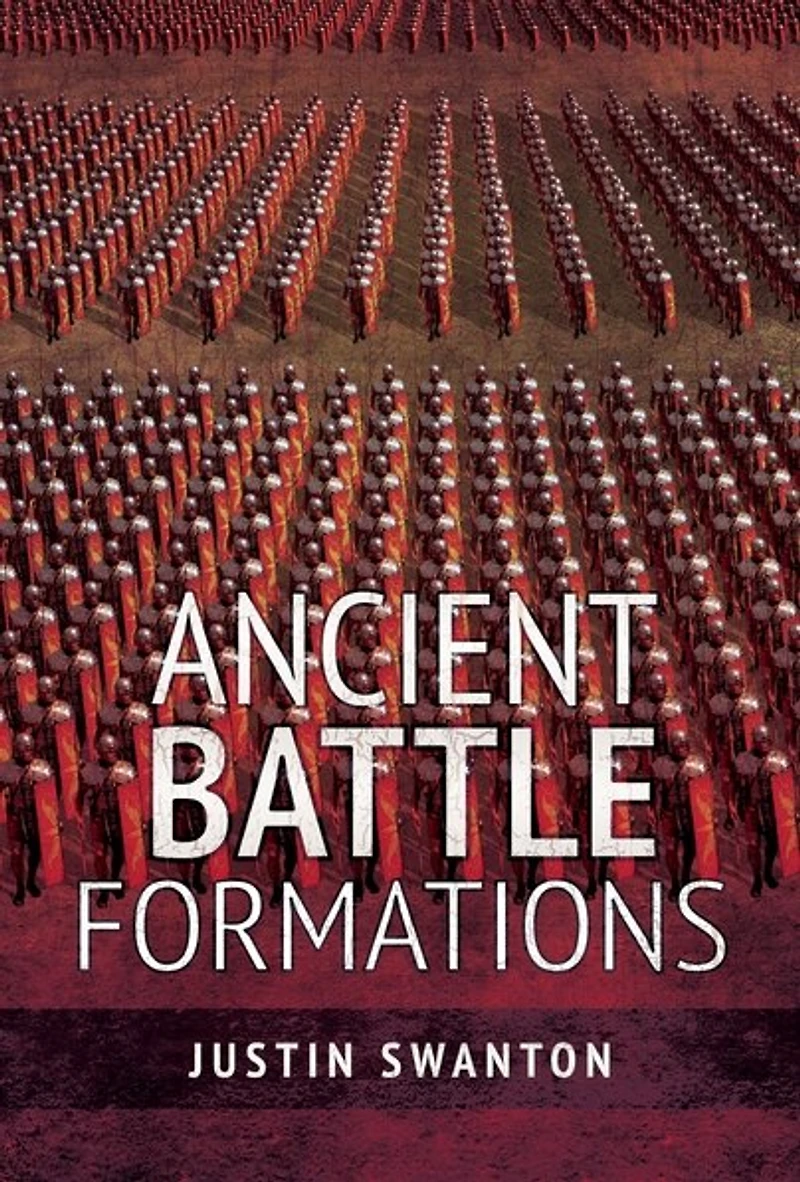
Justin Swanton examines the principal battle-winning formations of the Ancient world, determining their composition, function and efficacy. An introductory chapter looks at the fundamental components of the principal battle formations of heavy and light infantry, cavalry, elephants and chariots, showing how they bolstered the individual soldier's willingness to fight. The rest of the book focuses on massed infantry that reigned supreme in this era: the heavily armored Greek hoplite phalanx that was immune to the weaponry of its non-Greek opponents; the Macedonian pike phalanx that was unbeatable against frontal attacks so long as it kept order; the Roman triplex acies which, contrary to popular opinion, consisted of continuous lines in open order, with file spaces wide enough to allow embattled infantry to fall back after which those files closed up instantly against the enemy. A careful study of the Greek and Latin of the sources sheds fresh light on how these formations were organized and worked, re-evaluating many conventional notions and leading to some surprising conclusions.
Justin Swanton examines the principal battle-winning formations of the Ancient world, determining their composition, function and efficacy. An introductory chapter looks at the fundamental components of the principal battle formations of heavy and light infantry, cavalry, elephants and chariots, showing how they bolstered the individual soldier's willingness to fight. The rest of the book focuses on massed infantry that reigned supreme in this era: the heavily armored Greek hoplite phalanx that was immune to the weaponry of its non-Greek opponents; the Macedonian pike phalanx that was unbeatable against frontal attacks so long as it kept order; the Roman triplex acies which, contrary to popular opinion, consisted of continuous lines in open order, with file spaces wide enough to allow embattled infantry to fall back after which those files closed up instantly against the enemy. A careful study of the Greek and Latin of the sources sheds fresh light on how these formations were organized and worked, re-evaluating many conventional notions and leading to some surprising conclusions.
You May Also Like










More About Coles at Village Green Shopping Centre
Find everything in-store including new, used and children’s books, music, movies, games and toys. Visit Coles today to find the perfect gift, or a novel for yourself. COVID-19 UPDATE: Open | Regular Centre Hours
Store Info
Find Coles at Village Green Shopping Centre in Vernon, BC
Visit Coles at Village Green Shopping Centre in Vernon, BC